A standardized wooden pollen trap relies on a precise configuration of five structural components to function effectively. The assembly is comprised of a main wooden body capped with a slanting roof, two vertical metal plates featuring specific perforations, a fine wire screen, and a sliding wooden tray for collection.
The synergy of these components allows the trap to physically intercept pollen pellets from the hind legs of foraging bees as they return to the hive, collecting the resource without harming the colony.
The Structural Anatomy
The External Housing (Body and Roof)
The device is encased in a wooden main body which serves as the mounting frame for the internal mechanisms. This body is protected by a slanting roof, a critical feature that sheds rain and environmental debris to keep the interior dry.
The Stripping Mechanism (Vertical Plates)
The core function is performed by two vertical metal plates. These plates contain holes specifically sized (referenced in source materials as roughly 3 cm, though functional stripping usually requires tighter tolerances) to permit the bee's entry while physically dislodging pollen pellets from their legs.
The Separation Layer (Fine Wire Screen)
Situated beneath the metal plates is a fine wire screen. This mesh acts as a physical barrier that allows the dislodged pollen pellets to fall through while preventing the bees from entering the collection area below.
The Retrieval System (Sliding Tray)
At the base of the unit sits a sliding wooden collection tray. This component captures the falling pollen and allows the beekeeper to harvest the yield easily without dismantling the entire trap or disturbing the bees.
Operational Considerations and Trade-offs
Purity vs. Placement
While the structural components are standard, the trap's position matters; top-mounted traps generally yield cleaner pollen. Because they are installed above the brood chamber, the collected pollen contains significantly less debris, such as wax particles or bee parts, compared to bottom-mounted alternatives.
Hive Acclimation and Management
Using these traps requires bee behavior management; the colony must be pre-acclimated to using a top entrance before the trap is effective. Furthermore, top-mounted designs cannot simply be toggled on or off; stopping collection requires completely removing the unit and reinstalling a standard entrance.
Making the Right Choice for Your Goal
- If your primary focus is pollen purity: Prioritize traps designed for top-mounting, as gravity and distance from the brood nest reduce the amount of hive debris in your collection tray.
- If your primary focus is hive management efficiency: Be prepared for the additional labor required to remove the trap entirely when pollen collection is not desired, as these units lack a simple bypass mechanism.
Success with a pollen trap comes from understanding that the device is not just a collector, but a filter that requires precise integration into the bees' flight path.
Summary Table:
| Component | Material | Primary Function |
|---|---|---|
| Main Body & Roof | Wood | Housing and weather protection for the hive entrance. |
| Vertical Plates | Metal | Sized perforations that strip pollen from bees' legs. |
| Fine Wire Screen | Wire Mesh | Filters pollen pellets while preventing bee access. |
| Sliding Tray | Wood | Collects the yield for easy retrieval by the beekeeper. |
| Mounting Position | Top-Mount | Ensures higher purity by reducing debris and wax contamination. |
Maximize Your Apiary's Potential with HONESTBEE
As a dedicated partner to commercial apiaries and global distributors, HONESTBEE provides the precision-engineered tools you need to scale your operations. From standardized wooden pollen traps to specialized hive-making and honey-filling machinery, we supply a comprehensive range of beekeeping hardware and industry consumables.
Ready to upgrade your equipment or stock your distribution center? Contact us today to discover how our wholesale solutions and high-performance machinery can streamline your production and grow your business.
References
- H. Fathy, E. Salem. Effect of some Climatic Factors on Daily Activity of Pollen Gathering by Honeybee Apis mellifra L. during Spring and Summer Season. DOI: 10.21608/jppp.2018.44090
This article is also based on technical information from HonestBee Knowledge Base .
Related Products
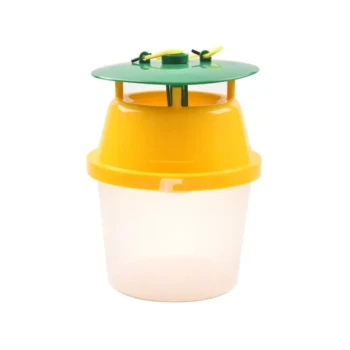
- Removable Plastic Pollen Trap With Ventilated Tray for Bees Pollen Collector
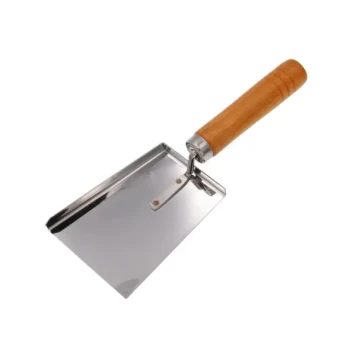
- Stainless Steel Pollen Shovel with Wooden Handle
- 30 cm Plastic Entrance Hole Bee Pollen Trap and Collector
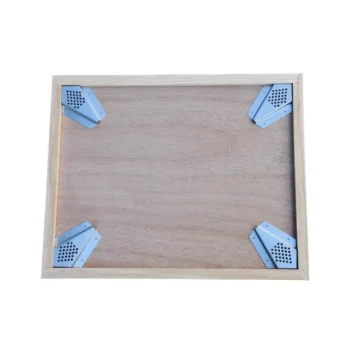
- Plastic Bee Pollen Trap Strips Comb Catcher Collector
- High-Efficiency Diamond Maze Bee Escape for Clearing Supers
People Also Ask
- What are the design principles and advantages of pollen traps in the collection of bee pollen? Boost Your Apiary Yield
- What is the function of professional pollen traps in evaluating honey plants? Quantifying Pollination and Crop Potential
- What functions do pollen traps serve for bee bread production? Optimize Your Raw Material Collection
- What maintenance and pest prevention measures should be taken for pollen traps? Protect Your Hive and Harvest Quality
- How does the use of pollen traps in honeybee hives enhance crop fertilization? Boost Your Yield Through Induced Activity