The primary technical advantage of movable-frame hives is the structural decoupling of the honeycomb from the hive body. This allows beekeepers to remove, inspect, and manipulate individual combs without damaging the colony or destroying the nest structure. This capability is the foundation for modern commercial beekeeping, enabling precise health management, non-destructive harvesting, and standardized operations that significantly increase honey yield.
The Core Insight Traditional fixed-comb beekeeping is a passive practice where harvesting often harms the colony. Movable-frame hives transform beekeeping into an active management system, allowing for the reuse of wax comb and granular control over the colony environment, which can increase honey production from roughly 5-8kg to over 25kg per hive.
The Mechanics of Non-Destructive Management
Preserving Colony Structure
In traditional fixed-comb hives, the bees attach comb directly to the hive walls. Harvesting honey requires cutting these combs out, effectively destroying the bees' home and storage infrastructure.
Movable-frame hives utilize a detachable internal frame. This allows you to lift out specific combs for harvesting while leaving the brood nest (where baby bees are raised) completely intact.
Precision Inspection and Health Monitoring
Commercial success relies on keeping colonies healthy. Movable frames allow for deep internal inspections to monitor for pests, diseases, and the presence of the queen.
Because the frames are standardized and mobile, you can identify issues early and treat specific frames or boxes without destabilizing the entire colony.
Driving Productivity and Yield
Optimizing Bee Energy
Bees consume significant amounts of honey and energy to secrete wax for building comb. By using movable frames, you can extract honey via centrifugal force (spinning) without breaking the wax comb.
You can then return the empty intact comb to the hive. This allows the bees to focus their energy immediately on refilling the cells with honey rather than rebuilding the wax infrastructure.
The Role of Comb Foundation
Movable-frame systems often integrate comb-foundation sheets. These are templates placed inside the frame that guide bees to build straight, uniform combs.
This uniformity maximizes the use of space within the hive and reduces the creation of drone (male bee) comb, channeling the colony's resources toward worker bees and honey storage.
Quantifiable Yield Increases
The combination of reused comb and guided construction leads to drastic efficiency gains. While traditional hives might yield 5-8kg of honey annually, standard movable-frame hives can optimize production to achieve approximately 25.5kg per hive.
Operational Scalability
Vertical Expansion and Space Management
Modern movable-frame hives generally consist of rectangular boxes stacked vertically. This modular design allows you to expand the hive's internal volume based on the season and colony size.
If a strong honey flow begins, you can simply stack more boxes (supers) on top to accommodate the surplus honey, preventing the colony from becoming honey-bound.
Swarm Control and Standardization
Swarming (when half the bees leave to start a new colony) is detrimental to commercial honey production. Movable frames allow you to inspect for "swarm cells" and manage the population density to prevent this behavior.
Furthermore, the standardization of equipment facilitates large-scale migratory beekeeping, as frames and boxes are interchangeable between different hives in the apiary.
Understanding the Trade-offs
Higher Complexity and Initial Cost
While superior for production, movable-frame hives require a higher initial investment in hardware (frames, foundations, boxes) compared to simple fixed-comb vessels.
Maintenance Requirements
The equipment requires cleaning, storage, and maintenance. Unlike single-use fixed combs, reused frames can accumulate pathogens over years if not properly managed or cycled out.
Making the Right Choice for Your Goal
To determine if movable-frame technology aligns with your specific operational goals, consider the following:
- If your primary focus is commercial yield: Adopt movable frames with foundation sheets to minimize wax production and maximize honey storage, aiming for the 25kg+ benchmark.
- If your primary focus is disease management: Use movable frames to enable routine, frame-by-frame inspections, allowing for early detection of pests without destroying the nest.
- If your primary focus is scalability: Rely on the standardized, modular nature of these hives to facilitate migratory transport and interchangeable parts across your apiary.
The movable frame transforms the hive from a simple container into a precision instrument for biological management and economic optimization.
Summary Table:
| Feature | Fixed-Comb Hives | Movable-Frame Hives |
|---|---|---|
| Harvest Method | Destructive (comb removal) | Non-destructive (centrifugal) |
| Honey Yield | ~5-8 kg per hive | ~25.5+ kg per hive |
| Wax Management | Bees must rebuild annually | Combs are reused/recycled |
| Health Monitoring | Passive/Observation only | Deep internal frame inspection |
| Scalability | Limited/Static volume | High (Vertical modular expansion) |
Maximize Your Apiary's Commercial Potential with HONESTBEE
Transitioning to movable-frame technology is the most effective way to optimize honey yield and ensure long-term colony health. As a dedicated partner to commercial apiaries and global distributors, HONESTBEE provides the precision-engineered tools necessary to scale your operations.
From high-performance hive-making and honey-filling machinery to a full spectrum of beekeeping hardware and essential consumables, we offer comprehensive wholesale solutions tailored to the needs of modern bee farming. Whether you are looking to upgrade your extraction efficiency or source premium honey-themed cultural merchandise, our portfolio delivers the quality your business demands.
Ready to elevate your production and profitability?
Contact us today to discuss your wholesale equipment needs
References
- Teweldemedhn Gebretinsae Hailu, Martin Hasselmann. Rapid transformation of traditional beekeeping and colony marketing erode genetic differentiation in Apis mellifera simensis, Ethiopia. DOI: 10.1007/s13592-022-00957-y
This article is also based on technical information from HonestBee Knowledge Base .
Related Products
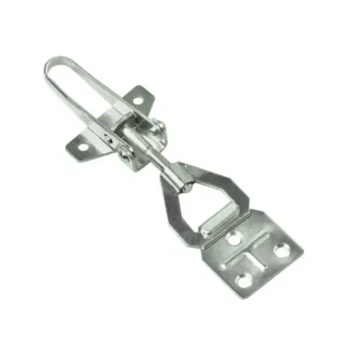
- Heavy Duty Adjustable Hive Connector
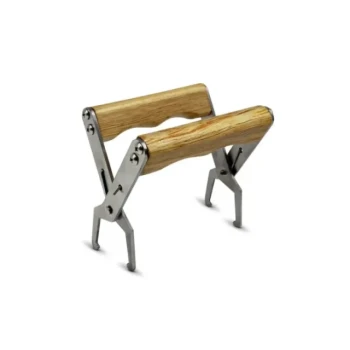
- Professional Grade Foldable Beehive Handles
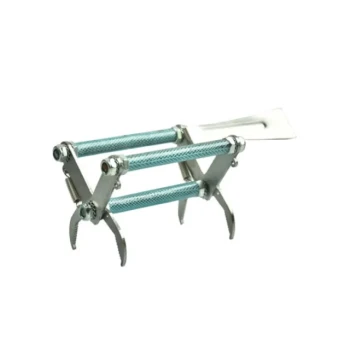
- Multi-Function Plier-Style Frame Grip Hive Tool
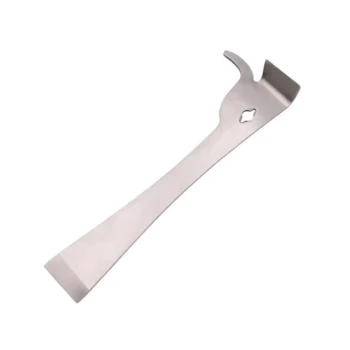
- Professional Multi-Function Stainless Steel Hive Tool
- Plastic Bee Frame Beekeeping Hive Frames for Wholesale
People Also Ask
- Under what circumstance are beehive connectors particularly beneficial? Optimize Handling for Full Beehive Attachments
- What is the advantage of using the beehive connector when handling full attachments? Achieve Safe and Efficient Hive Transport
- What are the primary functions of a beehive connector? Ensure Hive Stability and Safe Colony Transport
- How can the connection length and strength of a beehive connector be adjusted? Master Tension with Threaded Mechanics
- What is the purpose of the beehive connector? Secure Your Hive for Safe Transport