The primary technical considerations for selecting glass packaging for stingless bee honey are chemical stability, barrier integrity, and volume precision. You must select high-quality glass that is chemically inert to withstand the honey's natural acidity, ensuring no reaction occurs between the container and the product. Additionally, the glass must offer transparency to showcase the product's quality while providing a hermetic seal to manage the honey's uniquely high moisture content.
The unique composition of stingless bee honey—specifically its high acidity, moisture content, and medicinal value—dictates the packaging choice. The core goal is to select inert, small-volume glass containers that prevent fermentation and oxidation while signaling a premium market position.
Preserving Chemical Integrity and Potency
Chemical Inertness
Stingless bee honey is distinct due to its high acidity. The glass selected must be chemically inert, meaning it will not react with the acidic honey or leach harmful substances into the product.
This stability is critical for maintaining the flavor integrity and safety of the honey. Using inferior materials could lead to chemical degradation, compromising the product's premium status.
Protection of Bioactive Components
This honey contains sensitive bioactive components, including flavonoids and polyphenolic substances. The packaging serves as a barrier system that must protect these medicinal properties from environmental degradation.
High-quality glass ensures that the therapeutic efficacy of the honey remains consistent throughout its shelf life. It prevents the breakdown of nutrients that justifies the product's high market value.
Managing Moisture and Fermentation Risks
Superior Sealing Capabilities
Unlike standard honey, stingless bee honey has a higher natural moisture content. This makes it highly susceptible to natural fermentation and microbial contamination if exposed to air or external moisture.
The glass bottle must feature professional-grade sealing mechanics to prevent leakage and moisture absorption. A hermetic seal is non-negotiable to block oxidation and stop physical leakage during storage.
Sterile Packaging Requirements
To further combat the risk of fermentation, the glass bottles should be sterile-grade. Bottles treated through physical sterilization eliminate initial contamination sources.
This extends shelf life without the need for chemical preservatives. It ensures the product meets rigorous modern retail standards for hygiene and safety.
Volume and Precision Considerations
Small-Capacity Configuration
Stingless bee honey yields are exceptionally low, sometimes as little as 3 to 5 ml per hive per month. Consequently, large jars are technically and economically impractical.
Standardized small-volume bottles (consumables) are the technical standard. They align with the scarcity of the resource and ensure the product remains affordable enough for consumer accessibility.
Precision Filling Compatibility
Because the product is so valuable and yields are so low, the packaging must be compatible with high-precision filling equipment.
The bottle design should facilitate minimal residual waste. Every drop lost during the filling process represents a significant economic loss compared to standard honey production.
Understanding the Trade-offs
Transparency vs. Light Protection
The primary reference highlights that transparency is vital for building consumer trust and visual appeal. Clear glass allows customers to inspect the product, supporting a premium positioning.
However, transparency allows light penetration, which can theoretically affect photosensitive compounds. You must weigh the marketing benefit of visibility against the storage conditions; typically, this is managed by boxing the glass bottle or recommending dark storage, rather than using opaque glass that hides the premium product.
Fragility in Logistics
While glass offers superior chemical barriers, it introduces logistical fragility. Small, high-value glass bottles require robust secondary packaging to prevent breakage during transport. The cost of protecting the glass during shipping must be factored into the production model.
Making the Right Choice for Your Project
When selecting your final glass packaging, evaluate your specific market goals against the technical constraints of the honey.
- If your primary focus is Shelf Life Stability: Prioritize sterile-grade glass with advanced sealing liners to manage high moisture and prevent fermentation.
- If your primary focus is Brand Positioning: Select high-clarity, standardized small-volume bottles that emphasize the product's scarcity and medicinal value.
- If your primary focus is Production Efficiency: Ensure the bottle neck and shape are compatible with high-precision filling machinery to minimize high-value product loss.
Select a container that acts not just as a vessel, but as an active guardian of the honey’s unique biological acidity and medicinal properties.
Summary Table:
| Technical Consideration | Requirement | Primary Benefit |
|---|---|---|
| Chemical Stability | Inert, acid-resistant glass | Prevents leaching; preserves medicinal potency |
| Barrier Integrity | Hermetic, professional-grade seals | Blocks moisture to prevent natural fermentation |
| Volume Precision | Small-capacity (standardized) | Matches low yields; emphasizes premium scarcity |
| Clarity & Display | High-transparency glass | Builds consumer trust through product visibility |
| Filling Compatibility | Machine-ready bottle geometry | Minimizes product waste during high-value filling |
Scale Your Apiary Success with HONESTBEE
Protecting the unique medicinal properties of stingless bee honey requires more than just a container—it requires precision engineering. HONESTBEE caters to commercial apiaries and distributors with a comprehensive wholesale offering. We provide the full spectrum of beekeeping tools, high-precision honey-filling machines, and sterile-grade glass consumables designed to maximize your yield and brand value.
Whether you need specialized hardware or premium packaging to signal your market position, our team is ready to support your growth.
Contact our experts today to optimize your production and packaging workflow
References
- Yus Andhini Bhekti Pertiwi, Ike Nurjuita Nayasilana. Peningkatan Produksi Madu Klanceng di Hutan Rakyat untuk Kesejahteraan Masyarakat dan Kelestarian Lingkungan di Kemalang, Klaten. DOI: 10.29244/agrokreatif.9.3.288-296
This article is also based on technical information from HonestBee Knowledge Base .
Related Products
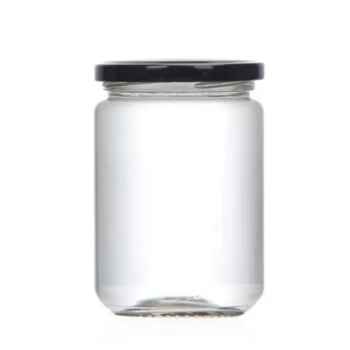
- Classic Glass Honey Jar with Metal Lug Cap for Beehive Storage
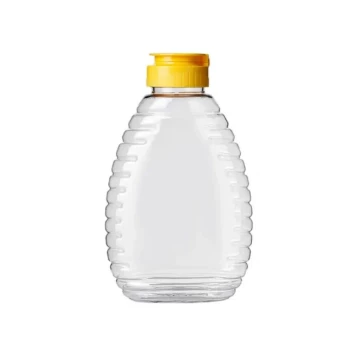
- Classic Beehive Honey Bottle Jar with Squeeze Dispenser Lid
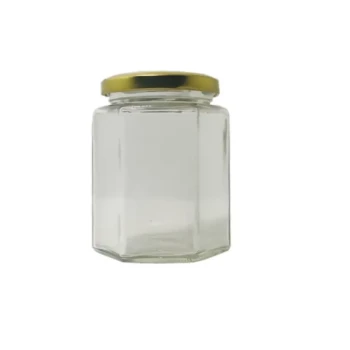
- Hexagonal Glass Honey Jars with Metal Lug Caps Elegant Versatile Packaging
- Squeezable No-Drip Beehive-Shaped Honey Jars with Flip-Top Cap
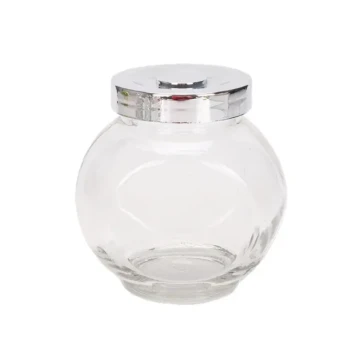
- Classic Round Glass Honey Jar with Lid
People Also Ask
- What are the benefits of glass jars regarding strength and safety for storing honey? Ensure Purity and Long-Term Quality
- What are the advantages of using glass jars for honey storage? Ensure Purity and Premium Appeal for Your Product
- What are the benefits of using high-transparency Glass Jars for honey? Elevate Purity and Premium Branding
- What is the aesthetic appeal of using glass jars for honey? Elevate Your Brand with Premium Packaging
- Which container is best for storing honey? Preserve Purity & Flavor with the Right Choice