The definitive visual signal that a nectar flow has begun is the appearance of fresh, snow-white wax comb. This new construction is soft and often resembles "frosting" applied to the existing hive architecture.
The sudden emergence of white wax is a physiological response to abundance; bees consume incoming nectar to produce the wax needed for immediate storage expansion.
Identifying the Visual Indicators
The "Whitewashing" Phenomenon
Beekeepers refer to this specific sign as "whitewashing." It is characterized by the stark contrast between the hive's older, darker comb and the pristine, bright white wax being freshly secreted.
This new wax is distinctively soft and malleable compared to the brittle nature of aged wax.
Primary Locations to Inspect
You do not always need to pull frames to see this sign. The most common location for this indicator is on the top bars of the frames in the upper brood box or super.
You may also observe this white "burr comb" bridging the space between the top box and the inner cover.
Understanding the Biological Driver
Resource Conversion
Wax production is metabolically expensive. Bees typically only produce significant amounts of new wax when they have a surplus of sugar carbohydrates—specifically nectar.
Therefore, seeing new wax is proof that the colony has moved from resource conservation to resource abundance.
The Urgency of Storage
During a heavy flow, foragers bring in nectar faster than the house bees can process and store it in existing cells.
The colony creates this "frosting" of extra comb to rapidly increase surface area for curing and storing the influx of nectar.
Interpreting the Signals Correctly
Distinguishing Flow from General Growth
Bees will build burr comb throughout the season, but it is not always indicative of a major flow.
The key differentiator is the color and texture. Old recycled wax is yellow or brown; the specific sign of a heavy nectar flow is wax that is snow-white and very soft.
The Risk of Being Honey-Bound
While seeing white wax is a positive sign of productivity, it is also a warning.
If you see this "frosting" and do not provide additional space, the bees may rapidly fill the brood nest with nectar. This can leave the queen with nowhere to lay eggs, potentially triggering a swarm preparation.
Applying This to Your Apiary
If your primary focus is Honey Production: Add honey supers immediately upon seeing white wax on the top bars to capitalize on the flow and maximize harvest.
If your primary focus is Swarm Prevention: Inspect the brood nest to ensure the queen has space to lay, as the presence of white wax indicates the colony is expanding rapidly and may soon feel congested.
The appearance of white wax is the bees' way of telling you they have succeeded in finding food—and now require your help to store it.
Summary Table:
| Visual Indicator | Description | Significance |
|---|---|---|
| Whitewashing | Bright, snow-white wax frosting on top bars. | Primary sign of surplus nectar inflow. |
| New Burr Comb | Fresh wax bridging gaps between boxes. | Signals a need for immediate storage expansion. |
| Wax Texture | Soft and malleable (not brittle). | Indicates metabolic conversion of fresh nectar. |
| Storage Density | Rapid filling of open cells. | Warning: Hive may become honey-bound without supers. |
Maximize Your Honey Harvest with HONESTBEE
Recognizing the first signs of a nectar flow is only half the battle; having the right equipment ready is what ensures a record-breaking season. HONESTBEE specializes in supporting commercial apiaries and distributors with a comprehensive range of professional beekeeping solutions. From high-capacity honey-filling machines and precision hive-making machinery to essential consumables and honey-themed cultural merchandise, we provide the tools you need to scale your operations efficiently.
Don't let a heavy nectar flow catch you unprepared. Whether you are expanding your commercial apiary or stocking your distribution warehouse, our wholesale offerings are designed for durability and performance. Contact us today to discuss your equipment needs and let HONESTBEE help you optimize your production from hive to bottle.
Related Products
- Manual Beeswax Comb Foundation Machine Wax Foundation Mill Embossing Machine
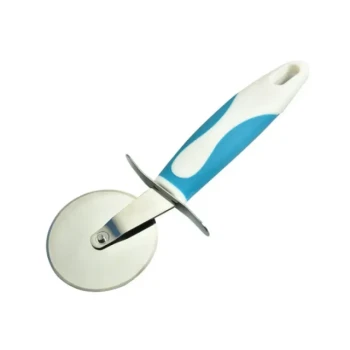
- Professional Rolling Wax Cutter with Ergonomic Handle
- Professional Honey Scraper for Efficient Apiary Maintenance
- Professional Wide Blade Honey Scraper for Beekeeping and Honey Processing
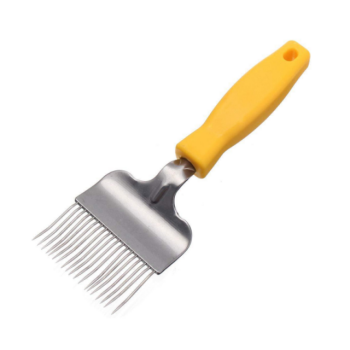
- Professional Bent Tine Honey Uncapping Fork with Ergonomic Grip
People Also Ask
- What are the primary technical challenges faced by beeswax foundation production machinery? Tackling Lipophilic Residues
- What are the advantages of implementing a pulley and belt drive system in beeswax foundation machinery? Master Quality.
- What role does a foundation machine play in the recycling and resource utilization of beeswax within an apiary?
- Why is the introduction of a beeswax foundation machine considered an important step in improving honey yields?
- How do beeswax foundation machines facilitate the internal recycling of beeswax? Build a Self-Sustaining Apiary