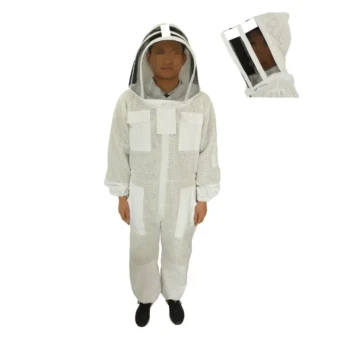
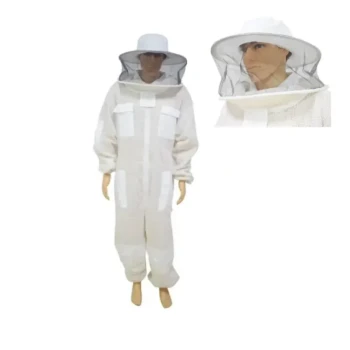
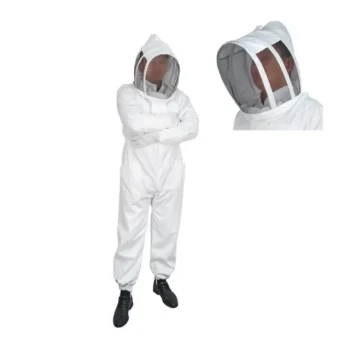
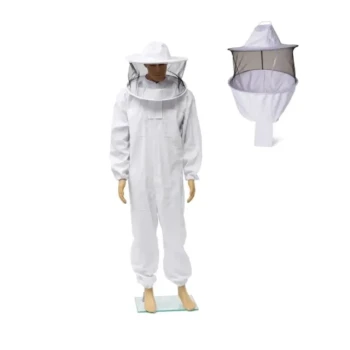
Foam air mesh offers a distinct compromise between lightweight agility and long-term resilience. This material, often referred to as 3D mesh, provides adequate protection against stings and significantly reduces wearer fatigue due to its low weight. However, these benefits are offset by significant durability concerns, with suits often tearing within one to two years, and a texture that can be abrasive to bare skin.
Core Takeaway While foam air mesh is effective for short-term ease of movement and basic sting prevention, it lacks the structural integrity required for a long-term investment. It is best suited for beekeepers prioritizing weight reduction over equipment longevity.
The Advantages of Foam Air Mesh
Reduced Physical Fatigue
The primary benefit of foam air mesh is its weight. Because the material is exceptionally lightweight, it imposes less physical strain on the wearer during long inspections or apiary work.
This reduction in bulk helps maintain energy levels and focus, which is critical when handling volatile colonies or performing delicate tasks.
Adequate Sting Protection
Despite being lightweight, the structure of the foam mesh provides a sufficient barrier against bees. The depth of the 3D mesh is generally designed to exceed the length of a bee’s stinger.
This creates a safety zone that prevents the stinger from reaching the skin, assuming the material remains intact and is not compressed against the body.
Understanding the Trade-offs
The Durability Limitation
The most significant drawback of foam air mesh is its lifespan. Unlike robust multi-layer ventilated fabrics or heavy cotton, this material is prone to structural failure.
Users frequently report that the material rips or degrades within just a year or two of regular use. This makes it a recurring expense rather than a one-time investment for long-term beekeepers.
Skin Irritation and Layering
While many ventilated suits are designed to be worn without underlayers in hot weather, foam air mesh can be problematic when in direct contact with skin.
The texture of the material is often coarse and irritating, necessitating the use of a shirt underneath. This negates some of the cooling benefits usually associated with ventilated suits, as you cannot comfortably wear the suit directly over bare skin.
Contextual Factors for Selection
Breathability vs. Comfort
Ventilation is a key requirement for beekeeping in hot climates to prevent heat exhaustion. While foam mesh allows for air circulation, the requirement to wear an underlayer to prevent scratching may reduce overall cooling efficiency compared to smoother, higher-end meshes.
Comparison to 3-Layer Alternatives
It is important to distinguish basic foam air mesh from high-end "3-layer ventilated mesh." While basic foam mesh struggles with durability, premium 3-layer options (often 5mm thick) are considered top-tier.
These premium alternatives are "practically sting-proof" and offer better longevity, whereas the standard foam air mesh discussed here is defined by its fragility.
Making the Right Choice for Your Goal
When deciding if a foam air mesh suit is the right tool for your apiary, consider your specific operational needs:
- If your primary focus is minimizing weight and fatigue: Foam air mesh is a strong contender, provided you are willing to replace the equipment frequently.
- If your primary focus is long-term durability and value: Avoid basic foam air mesh and opt for robust 3-layer ventilated mesh or heavy-duty cotton blends.
- If your primary focus is working in extreme heat: Be cautious with this specific material; while breathable, the need to wear a shirt underneath to avoid irritation may limit its cooling potential.
Select the material that protects you not just from stings, but from the environmental and physical demands of your specific climate.
Summary Table:
| Feature | Foam Air Mesh (3D Mesh) | Recommendation |
|---|---|---|
| Sting Protection | Adequate (depth exceeds stinger length) | Good for standard apiary tasks |
| Weight | Exceptionally Lightweight | Ideal for minimizing fatigue |
| Durability | Low (typically lasts 1-2 years) | Best for casual/short-term use |
| Skin Comfort | Coarse/Abrasive texture | Requires undergarments |
| Ventilation | High air circulation | Potential trade-off due to layering |
Elevate Your Beekeeping Operations with HONESTBEE
Choosing the right protective gear is critical for the efficiency and safety of your commercial apiary. At HONESTBEE, we specialize in supporting commercial apiaries and distributors by providing a comprehensive range of high-quality beekeeping tools, machinery, and apparel. Whether you need the lightweight agility of foam mesh or the rugged reliability of premium 3-layer ventilated suits, our wholesale offerings are designed to meet your specific operational demands.
From hive-making and honey-filling machines to a full spectrum of essential industry consumables, we deliver value through durability and expert design. Contact us today to discuss your bulk equipment needs and let us help you protect your team and your investment with the industry's best hardware and apparel.
Related Products
- Three-Layer Ventilated Beekeeper Suit with Structured Fencing Veil
- Premium Three Layer Ventilated Bee Suit with Round Veil
- Premium Cotton Beekeeper Suit with Reinforced Fencing Veil
- Professional Cotton Beekeeper Suit with Round Veil Design for Commercial Apiaries
- Vented Beekeeping Jacket with Hood and Veil for Beekeepers
People Also Ask
- What material and design specifications are recommended for a high-quality beekeeper suit? Top Gear Selection Guide
- What are the characteristics of a specific ventilated beekeeper's suit? Advanced Cooling & Protection for Beekeepers
- What are the advantages of a ventilated bee suit? Stay Cool and Protected During Hive Inspections
- How do ventilated bee suits improve comfort? Beat the Heat with Superior Airflow Design
- What is the primary advantage of ventilated beekeeping clothing? Stay Cool and Focused in the Apiary