To maximize winter survival rates, you must focus on thermal stability and resource abundance. The most effective actionable steps include using insulated hives and covers to retain heat, erecting wind barriers to reduce environmental stress, and ensuring 60–80 pounds of food stores are available. Additionally, you must install proper ventilation, such as upper entrances or quilt boxes, to prevent lethal moisture buildup.
Winter survival is rarely about a single intervention; it requires a systemic approach balancing heat retention, moisture control, and ample food reserves. Success depends on proactively shielding the hive from environmental stressors while ensuring the cluster has sufficient energy to generate its own heat.
Managing Thermodynamics and the Environment
The primary physical threat to a winter colony is the inability to maintain cluster warmth due to heat loss and wind chill.
Stabilizing Internal Temperatures
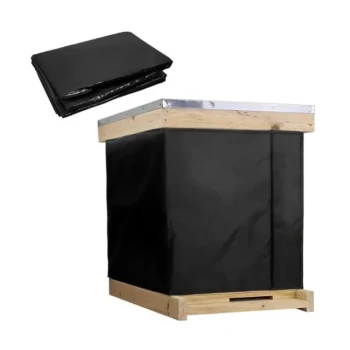
Bees consume energy to generate heat; if the hive loses heat too fast, they exhaust their stores and die. You should utilize insulated hives to minimize this thermal loss.
Adding insulated covers is equally critical. These covers retain rising heat within the colony and provide a physical shield against precipitation.
Reducing Wind Stress
Wind strips heat away from the hive exterior, forcing bees to work harder. You must create a wind barrier to mitigate this effect.
Effective barriers include fences, stacked hay bales, or dense shrubs. These obstacles break the wind's force before it hits the hive walls.
Inspecting for Leaks
Insulation is useless if cold air bypasses it. Regularly check the hive insulation for drafts, cracks, or moisture damage.
Repair these breaches immediately. A compromised seal allows cold air to penetrate the cluster's microclimate.
Controlling Moisture and Ventilation
While heat retention is vital, sealing a hive too tightly can be fatal due to condensation.
Balancing Airflow
Bees exhale moisture as they metabolize sugar; if this moisture condenses and freezes, it can drip back onto the cluster and kill them. You must ensure adequate ventilation.
Implementing Ventilation Hardware
Use an upper entrance or a quilt box to allow moist air to escape. A quilt box also aids in insulation while absorbing excess humidity.
Ensuring Nutritional Sufficiency
A warm hive will still perish if it runs out of fuel. The colony needs massive caloric reserves to vibrate their wing muscles for heat.
Monitoring Food Stores
Ensure the colony has between 60 and 80 pounds of honey stored before winter sets in. This is the baseline fuel requirement for survival.
Supplemental Feeding
If stores are insufficient, you must intervene. Winter patties are the recommended supplement, providing carbohydrates and small amounts of pollen.
These should be used as an emergency feed when natural sources are gone and existing stores are exhausted.
Common Pitfalls and Trade-offs
Managing a winter colony involves restraint. There is a distinct trade-off between the need to inspect the hive and the need to maintain its thermal seal.
The Dangers of Over-Inspection
If you do not see immediate signs of life, do not break the propolis seal to check inside.
Opening a quiet but living hive destroys the colony's "envelope" of heat. This thermal shock can cause fatal harm to a cluster that was otherwise surviving.
Patience in Observation
It is recommended to wait a week or two before re-checking a quiet hive.
If the colony has indeed perished, conduct a "deadout" or hive autopsy. This allows you to determine the cause of failure and correct your management practices for the next season.
Making the Right Choice for Your Goal
- If your primary focus is Thermal Efficiency: Prioritize insulated hives, insulated covers, and wind barriers (fences or hay bales) to minimize the energy the bees must burn to stay warm.
- If your primary focus is Moisture Control: Install a quilt box or upper entrance to vent humid air while maintaining the necessary insulation to prevent condensation.
- If your primary focus is Emergency Management: Monitor weight carefully and have winter patties ready to deploy if honey stores drop below the 60–80 pound threshold.
The goal is to create a dry, insulated environment where the colony can efficiently manage its own temperature without exhausting its food supply.
Summary Table:
| Survival Factor | Recommended Actionable Steps | Key Goal |
|---|---|---|
| Thermodynamics | Use insulated hives, covers, and wind barriers | Retain cluster heat & reduce energy waste |
| Moisture Control | Install quilt boxes or upper entrances | Prevent lethal condensation and freezing drip |
| Nutrition | Ensure 60–80 lbs of honey; use winter patties | Provide caloric fuel for heat generation |
| Hive Integrity | Avoid breaking propolis seals in cold weather | Maintain the colony’s thermal envelope |
Maximize Your Colony Survival with HONESTBEE
Transitioning through winter requires professional-grade equipment that balances heat retention and ventilation. HONESTBEE supports commercial apiaries and distributors with a complete wholesale range of beekeeping tools, machinery, and consumables designed for resilience.
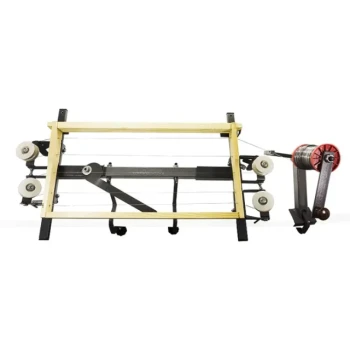
Whether you need specialized hive-making machinery to produce high-performance insulated hives or honey-filling machines to prepare your harvest, we provide the industrial-scale solutions your business demands.
Ready to scale your apiary operations? Contact us today to discover how our comprehensive wholesale offering can enhance your productivity and honeybee health.
Related Products
- HONESTBEE Collapsible Tiered Bee Swarm Catcher for Beekeeping
- HONESTBEE Professional Entrance Bee Feeder Hive Nutrition Solution
- Professional In-Hive Frame Bee Feeder by HONESTBEE
- HONESTBEE Wired and Assembled Wooden Bee Frames Foundation for a Thriving Hive
- Assembled Wooden Bee Frames with Plastic Foundation for Durability and Convenience by HONESTBEE
People Also Ask
- What should be done if the swarm is situated on the bottom of a tree limb? A Guide to Methodical Bee Capture
- What role do swarm catchers play in maintaining the production scale of an apiary? Turn Colony Loss into Growth.
- What role does a Swarm Catcher play in the process of expanding apiary colony scale? Optimize Growth & Reduce Costs
- What precautions can be taken to prevent a newly captured swarm from absconding? Secure Your Swarm with Proven Methods
- What information should be gathered before attempting to catch a swarm of bees? A Safe and Successful Guide