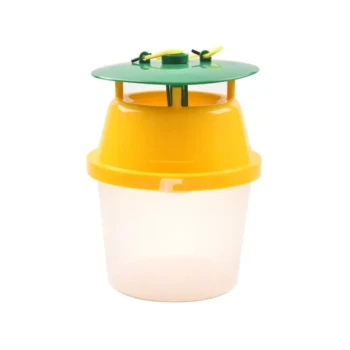
To maximize capture rates, a honey bee swarm trap should be a durable container with a volume of approximately 40 liters. It must be positioned 8 to 15 feet off the ground in a shaded location, ideally near flowering plants or areas with known bee activity, and baited with attractants like lemongrass oil or old comb.
A successful trap mimics a natural hive cavity in terms of size and location. By combining a 40-liter volume with high, shaded placement and scent lures, you significantly increase the likelihood that scout bees will select your trap as their new home.
Optimizing Trap Specifications
Ideal Volume and Structure
The internal volume of the trap is the single most critical factor for acceptance. Research indicates that a cavity of roughly 40 liters is the optimal size that scout bees prioritize when searching for a new home.
The container itself must be durable enough to withstand the elements. If you are using a cardboard box for active collection, the bottom must be fully taped to prevent collapse under the weight of the swarm.
Proven Attractants
To encourage scouts to investigate the trap, you must use olfactory lures. Lemongrass oil is highly effective because it mimics the pheromones of the Nasonov gland, which bees use to orient themselves.
Alternatively, placing old comb or wax inside the trap provides a familiar scent that signals a suitable habitation site.
Strategic Placement Strategy
Height and Accessibility
Bees prefer to nest high off the ground to avoid predators and dampness. You should mount the trap between 8 and 15 feet high.
Environmental Exposure
The trap must be placed in a shaded area. Direct sunlight can overheat the container, making it uninhabitable and causing scouts to reject it.
Positioning the trap near flowering plants or known apiaries increases the traffic of scout bees, thereby increasing the probability of discovery.
Essential Gear for Safe Management
Internal Stabilization
Bees require a structure to hang from while inside the container. It is advisable to place a stick diagonally inside the box to give the cluster a surface to cling to.
Protective Clothing
Although swarming bees are generally more docile than those guarding a brood, they can become agitated if provoked or moved. You should wear a ventilated beekeeping suit to ensure protection against stings while maintaining breathability.
Handling Tools
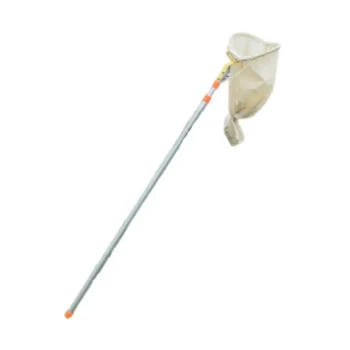
When moving a populated trap or collecting a swarm, you will need specific tools to secure the colony. Have pruning shears and a saw ready to clear branches, and use bungee cords or an old sheet to seal and secure the box for transport.
Understanding the Risks and Trade-offs
Accessibility vs. Ideal Height
While placing a trap at 15 feet attracts more bees, it creates a fall hazard for the beekeeper. You must balance the biological preference of the bees with your ability to safely access and lower a heavy box filled with thousands of insects.
Passive Trapping vs. Active Collection
A stationary trap is passive, but active collection (catching a visible swarm) requires speed and different tools. Active collection may require a spray bottle with sugar syrup to calm the bees or a bee vacuum for difficult extractions, whereas a trap relies solely on placement and bait.
Ensuring Success for Your Apiary
The specific approach you take depends on whether you are setting a lure or actively capturing a swarm.
- If your primary focus is passive trapping: Prioritize the 40-liter volume and 8-15 foot elevation in the shade to automatically attract passing scouts.
- If your primary focus is active collection: Ensure you have a ventilated suit, stabilization sticks, and transport tools like bungee cords ready for immediate deployment.
By aligning your equipment with the natural instincts of the scout bees, you turn a random search into a predictable capture.
Summary Table:
| Feature | Ideal Specification | Purpose |
|---|---|---|
| Internal Volume | ~40 Liters | Optimal cavity size for scout bee preference |
| Mounting Height | 8 to 15 Feet | Mimics natural nesting sites and avoids predators |
| Exposure | Full Shade | Prevents overheating and colony rejection |
| Attractants | Lemongrass Oil / Old Comb | Mimics Nasonov pheromones to draw scouts |
| Support Structure | Diagonal Stick | Provides a surface for the cluster to hang from |
| Protective Gear | Ventilated Bee Suit | Ensures safety and breathability during handling |
Scale Your Apiary with Professional-Grade Solutions
At HONESTBEE, we understand that successful beekeeping starts with the right equipment. Whether you are a commercial apiary looking to scale your operations or a distributor seeking high-quality wholesale supplies, we provide the comprehensive toolkit you need to succeed.
How HONESTBEE adds value to your business:
- Industrial Machinery: From precision hive-making to efficient honey-filling machines.
- Comprehensive Tools: A full spectrum of durable hardware and essential industry consumables.
- Safety & Management: Professional ventilated suits and collection gear designed for safety.
- Unique Merchandise: Honey-themed cultural products to diversify your retail offerings.
Ready to elevate your beekeeping business? Contact us today to explore our wholesale catalog!
Related Products
- HONESTBEE Collapsible Tiered Bee Swarm Catcher for Beekeeping
- HONESTBEE Professional Telescopic Pole Bee Swarm Catcher
- High-Efficiency Diamond Maze Bee Escape for Clearing Supers
- 30 cm Plastic Entrance Hole Bee Pollen Trap and Collector
- Reusable Clear Small Hive Beetle Traps for Beehives Beetle Trapping Tools
People Also Ask
- What should be done if the swarm is situated on the bottom of a tree limb? A Guide to Methodical Bee Capture
- What role do swarm catchers play in maintaining the production scale of an apiary? Turn Colony Loss into Growth.
- What role does a Swarm Catcher play in the process of expanding apiary colony scale? Optimize Growth & Reduce Costs
- What information should be gathered before attempting to catch a swarm of bees? A Safe and Successful Guide
- What precautions can be taken to prevent a newly captured swarm from absconding? Secure Your Swarm with Proven Methods