Feeding bees requires adjusting sugar density to match the season's specific biological goal. For spring stimulation and colony establishment, use a light syrup with a 1:1 ratio of white cane sugar to water by weight. Conversely, for autumn winter preparation, you must switch to a heavy syrup with a 2:1 ratio of sugar to water.
Core Insight: The sugar-to-water ratio is not arbitrary; it dictates the colony's behavior. A 1:1 mix mimics natural nectar to trigger reproduction and comb building, while a 2:1 mix provides dense carbohydrates for winter storage without introducing excess moisture that the bees must laboriously evaporate.
Seasonal Feeding Strategies
Spring: The 1:1 Ratio for Growth
In the spring, or when installing new package bees, the primary goal is to stimulate the hive. You should use a 1:1 ratio (one part sugar to one part water by weight).
This consistency closely resembles natural nectar. The influx of this light syrup signals the queen to begin laying eggs and encourages worker bees to produce wax. This is essential for drawing out new comb and establishing the colony early in the season.
Fall: The 2:1 Ratio for Storage
As the season winds down and natural nectar sources become scarce, the goal shifts to survival. In the fall, you should provide a 2:1 ratio (two parts sugar to one part water by weight).
This dense mixture acts as a substitute for honey stores. Because it has a lower water content, bees do not have to expend as much energy evaporating moisture to cure it. This allows them to rapidly store the food for winter consumption before the cold weather sets in.
Safe Preparation Protocol
Selecting the Right Ingredients
You must use standard white cane sugar. Do not use brown sugar, molasses, or unrefined sugars. These contain impurities and solids that are difficult for bees to digest and can cause dysentery.
The Heating Process
To make the syrup, bring your water to a boil in a container large enough to hold the full volume of syrup. Once the water boils, remove the pot from the heat source entirely.
Only after removing the heat should you pour in the sugar. Stir the mixture continuously until all crystals are fully dissolved.
Cooling Before Application
Never feed hot syrup to the hive. Allow the mixture to cool completely to room temperature. Feeding hot liquids can harm the bees and destabilize the internal temperature of the hive.
Critical Risks and Trade-offs
The Toxicity of Boiling Sugar
It is imperative that you never boil the mixture after adding the sugar.
Boiling sugar water can lead to caramelization (the creation of Hydroxymethylfurfural or HMF). Caramelized sugar is toxic to bees and can be deadly to the colony. If you accidentally burn the sugar or the syrup turns amber, discard it immediately; do not attempt to dilute or salvage it.
Moisture Management
Using the wrong ratio in the wrong season creates unnecessary stress for the colony.
Feeding a watery 1:1 syrup in late fall adds excessive moisture to the hive. Bees may fail to evaporate this water before winter, leading to dysentery or frozen stores. Conversely, using thick syrup in early spring may fail to stimulate the brood rearing required for a strong summer population.
Making the Right Choice for Your Goal
To ensure your colony has the energy reserves it needs without compromising its health, align your feeding strategy with the colony's immediate requirements:
- If your primary focus is stimulating brood rearing and comb building: Use a 1:1 ratio to mimic nectar flow and encourage rapid colony expansion.
- If your primary focus is winter survival and food storage: Use a 2:1 ratio to provide a dense, easily stored carbohydrate source that minimizes moisture.
Successful beekeeping relies on observing the hive's resources and intervening with the correct nutritional density only when natural sources are insufficient.
Summary Table:
| Season | Feeding Goal | Sugar-to-Water Ratio | Effect on Colony |
|---|---|---|---|
| Spring | Growth & Stimulation | 1:1 (Light) | Mimics nectar; triggers egg-laying and wax production. |
| Fall | Winter Storage | 2:1 (Heavy) | Dense energy source; minimizes moisture for easy storage. |
| Summer | Emergency Feeding | 1:1 (Light) | Sustains the colony during unexpected nectar dearths. |
Maximize Your Colony’s Potential with HONESTBEE
Maintaining healthy hives requires more than just the right recipe—it demands professional-grade tools. HONESTBEE is a leading partner for commercial apiaries and distributors, offering a comprehensive wholesale range of beekeeping essentials. From advanced honey-filling and hive-making machinery to premium hardware and honey-themed cultural merchandise, we provide everything you need to scale your operations.
Ready to elevate your beekeeping business? Contact us today to explore our wholesale solutions
Related Products
- HONESTBEE Round Hive Top Bee Feeder for Syrup
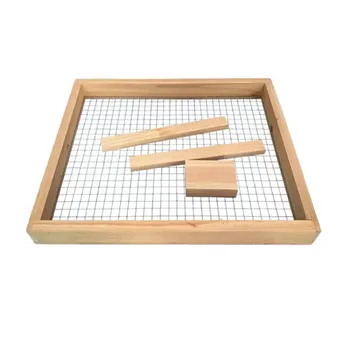
- Heavy-Duty Candy Board with Galvanized Mesh for Beekeeping
People Also Ask
- What can the round hive top feeder be used for? A Guide to Efficient, Safe Bee Feeding
- What is the capacity of the round hive top feeder for syrup and pollen? A Guide to Targeted Apiary Support
- What types of hive boxes is the round hive top feeder compatible with? Universal Fit for 8 & 10-Frame Langstroth Hives
- What types of feed can be used with the round hive top feeder? Versatile Feeding for Optimal Apiary Health
- What are the different types of top feeders for bees? Choosing the Best Feeder for Your Apiary