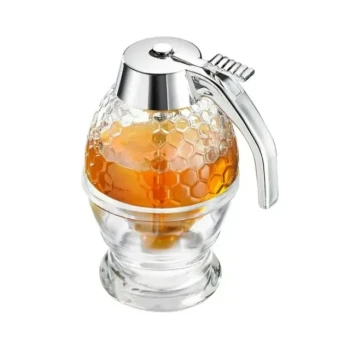
To ensure compliance and quality, packaging for biological honey must utilize chemically stable, food-grade materials that provide a high-performance airtight seal. These containers are required to prevent secondary contamination of the organic product while effectively isolating the honey from external air and moisture. Furthermore, the packaging must be designed to accommodate specific labeling that verifies organic certifications and origin details.
The gold standard for biological honey packaging requires a balance of chemical inertness and physical isolation. Your container must prevent the leaching of substances into the honey to maintain its organic status, while simultaneously blocking moisture and odors to prevent fermentation and spoilage.
Maintaining Organic Integrity Through Material Selection
Chemical Stability is Non-Negotiable
Biological honey is defined by its purity and production method. To maintain this status, the storage container must possess high chemical stability.
Preventing Secondary Contamination
The primary risk to biological honey during storage is secondary contamination from the packaging itself. You must use specially marked food-grade materials that are non-reactive to ensure no foreign substances leach into the product.
The Necessity of Inert Materials
Using containers with low chemical stability can compromise the "biological" attributes of the honey. The material must remain inert regardless of the duration of storage.
Protecting the Product from Environmental Factors
Combating Moisture Absorption
Honey is naturally hygroscopic, meaning it actively absorbs moisture from the surrounding environment. High-performance sealed packaging is vital to isolate the honey from external air and humidity.
Preventing Fermentation and Spoilage
If the packaging allows moisture ingress, the water content of the honey will rise, leading to fermentation and spoilage. A robust seal is the only defense against this chemical degradation.
Preserving Natural Aroma and Flavor
Biological honey is often prized for its unique terroir and bouquet. Quality packaging materials must block external odors to ensure natural flavors remain stable, extending the product's shelf life during long-distance transport.
Meeting Regulatory Labeling Standards
Mandatory Certification Display
Physical protection is only half the requirement; the packaging must also serve as a compliance tool. Containers must be labeled with specific organic certifications to validate the biological nature of the beekeeping process.
Origin Verification
To ensure consumer trust and regulatory compliance, the packaging must clearly display origin details. This transparency allows consumers to verify the source and attributes of the biological honey.
Common Pitfalls to Avoid
Overlooking Seal Integrity
A common error is selecting a container that is chemically stable but lacks a high-performance seal. Even the best food-grade material will fail if the lid allows air exchange, leading to crystallization issues and moisture damage.
Assuming All "Food-Grade" is Sufficient
Not all food-grade containers are suitable for biological honey. You must specifically seek out containers rated for high chemical stability to avoid interactions with the acidic nature of honey over long periods.
Making the Right Choice for Your Product
Selecting the right packaging is a critical step in the biological honey supply chain. Use the following guide to prioritize your requirements:
- If your primary focus is Regulatory Compliance: Prioritize containers with proven chemical stability and ample surface area for mandatory organic certification and origin labeling.
- If your primary focus is Shelf Life Extension: Prioritize packaging with high-performance sealing technology to block moisture uptake and external odors.
By combining chemically inert materials with rigorous sealing standards, you protect both the legal status and the sensory quality of your biological honey.
Summary Table:
| Requirement Category | Key Feature | Primary Benefit |
|---|---|---|
| Material Quality | Chemically Stable & Food-Grade | Prevents secondary contamination and leaching |
| Sealing Performance | High-Performance Airtight Seal | Blocks moisture and odors; prevents fermentation |
| Environmental Guard | Low Hygroscopic Exposure | Maintains natural aroma, flavor, and shelf life |
| Regulatory Compliance | Certification & Origin Labeling | Validates organic status and ensures consumer trust |
Elevate Your Honey Brand with HONESTBEE Packaging Solutions
At HONESTBEE, we understand that biological honey requires more than just a container; it requires a safeguard for its organic integrity. As a leading provider for commercial apiaries and distributors, we offer a comprehensive wholesale range of food-grade beekeeping tools and high-performance packaging machinery.
Whether you need precision honey-filling machines to ensure a perfect seal or specialized hardware to scale your operations, we provide the technical expertise and equipment necessary to maintain your product’s premium status. Our portfolio covers everything from industrial machinery to honey-themed cultural merchandise, helping you stand out in a competitive market.
Ready to secure your supply chain and protect your harvest? Contact us today to discuss how our wholesale solutions can enhance your efficiency and compliance.
References
- Ilga Krampuža. THE DEVELOPMENT PROBLEMS OF BIOLOGICAL BEEKEEPING. DOI: 10.17770/etr2021vol1.6532
This article is also based on technical information from HonestBee Knowledge Base .
Related Products
- Food Grade Plastic Honey Bucket Pail for Beekeeping
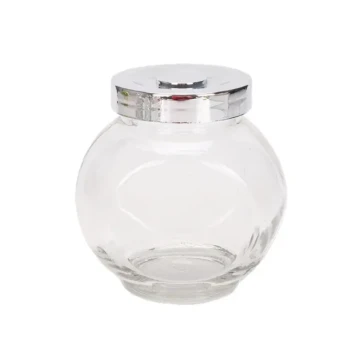
- Classic Drum Shaped Glass Honey Jar with Airtight Lid
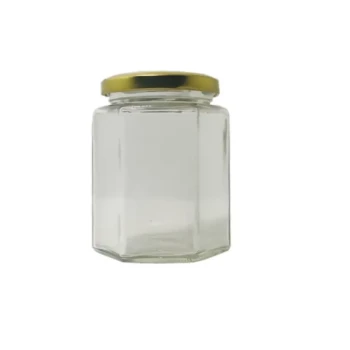
- Hexagonal Glass Honey Jars with Metal Lug Caps Elegant Versatile Packaging
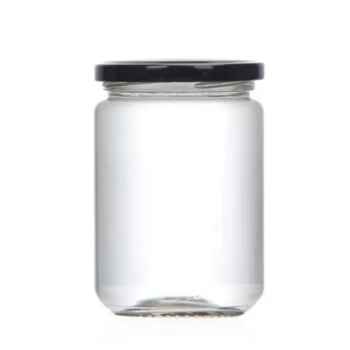
- Classic Round Glass Honey Jar with Lid
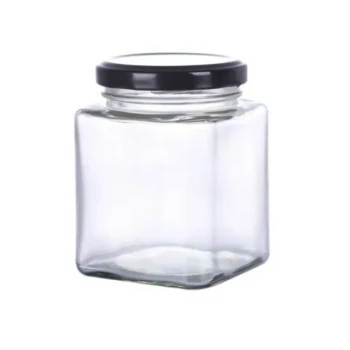
- Modern Square Glass Honey Jar with Twist Off Lid
People Also Ask
- What key operational precautions should be taken when using honey buckets and extractors fitted with bottom drain taps?
- What functions do food-grade honey buckets perform? Safeguard Your Harvest and Optimize Apiary Logistics
- Why are food-grade plastic buckets preferred for honey? Protect Quality with Modern Honey Collection Tools
- What is the significance of food-grade plastic honey collection buckets? Boost Quality in Forest Honey Logistics
- What is a honey pail? The Essential Container for Protecting Your Honey's Value