To ensure safety while melting beeswax, you must strictly avoid direct contact with an open flame and utilize indirect heat sources. Because beeswax is highly flammable with a flashpoint around 400°F, you should always use a double boiler on an electric burner to maintain a safe temperature near its 147°F melting point. Never leave the process unattended, and avoid using microwaves due to the high risk of overheating and fire.
Core Takeaway: Beeswax behaves like grease: it is flammable and will self-ignite if it reaches its flashpoint. The only safe way to process it is through "low and slow" indirect heat—using a double boiler or solar melter—while wearing protective gear to guard against burns.
Understanding the Thermal Risks
The Critical Temperature Gap
Beeswax melts at approximately 147°F, but its flashpoint (the temperature at which it catches fire) is roughly 400°F.
This wide gap can lull users into a false sense of security. If the wax is heated too quickly or directly, it can bypass the melting phase and rapidly approach ignition temperatures.
The "No Open Flame" Rule
You must treat melting beeswax with the same caution as deep-frying grease.
Do not melt wax directly over a gas stove or open fire. Use an electric burner or a temperature-controlled heating element to eliminate the risk of the vapors igniting.
Safe Melting Techniques
The Double Boiler Necessity
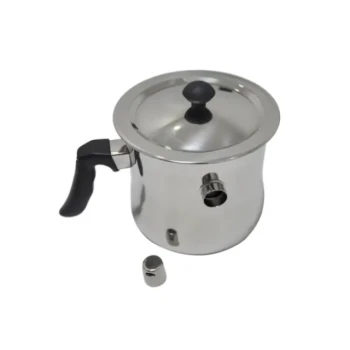
The most effective safety barrier is a double boiler (or water bath).
By placing the wax container inside a pot of simmering water, you cap the maximum temperature at 212°F (the boiling point of water). This physical limitation makes it nearly impossible for the wax to reach its 400°F flashpoint.
Why Microwaves are Dangerous
Do not use a microwave to melt beeswax.
Microwaves heat unevenly, creating "hot spots" within the wax that can instantly overheat, leading to fires and difficult-to-clean messes.
Dedicated Equipment
Designate specific pots and utensils solely for beeswax.
Wax creates a persistent residue that is difficult to remove. Using dedicated tools prevents cross-contamination with food and ensures you are not struggling with slippery equipment during the melting process.
Personal Protective Measures
Appropriate Attire
Molten wax clings to skin and causes deep burns.
Always wear long-sleeved shirts, gloves, and safety goggles to protect against splashes. Breaking large blocks of wax with a hammer while they are cold and brittle can also reduce the time you spend handling hot materials.
Ventilation and First Aid
Work in a well-ventilated area to avoid inhaling concentrated wax fumes.
Keep a source of cool running water nearby. If wax touches your skin, immediate cooling is essential to stop the burning process.
Common Pitfalls and Hazards
The Water Eruption Hazard
Never add water to a pot of already melted, hot wax.
Adding water to hot wax can cause a violent eruption, spraying scalding material out of the container. While a water bath is safe, water inside the wax is a major hazard.
Moisture Contamination
You must also prevent the simmering water from your double boiler from splashing into the melting wax.
Beyond the safety risk, water contamination ruins the texture of the final product. It is advisable to wrap honeycomb chunks in cheesecloth during rendering to keep the liquid manageable and pure.
The Cost of Overheating
Safety aside, overheating degrades the quality of your material.
Temperatures exceeding the 147°F melting point can darken the wax's color and destroy its natural aroma. "Low and slow" protects both you and the integrity of the beeswax.
Making the Right Choice for Your Goal
Whether you are refining raw comb or crafting candles, adherence to safety protocols ensures a successful project.
- If your primary focus is safety: Use an electric burner with a double boiler or a solar melter to guarantee the wax never reaches ignition temperature.
- If your primary focus is product quality: Monitor the temperature closely to stay just above 147°F, preventing discoloration and loss of scent.
Treat beeswax with the respect due to any flammable material, and your project will be both safe and successful.
Summary Table:
| Safety Category | Key Precaution | Critical Detail |
|---|---|---|
| Heating Method | Indirect Heat Only | Use a double boiler or water bath to cap temp at 212°F. |
| Heat Source | Electric Burner | Avoid open flames or gas stoves due to high flammability. |
| Temp Limits | Monitor Flashpoint | Beeswax ignites at ~400°F; keep near melting point (147°F). |
| Protection | PPE Gear | Wear long sleeves, gloves, and goggles to prevent wax burns. |
| Prohibitions | No Microwaves | Microwaves create dangerous hot spots and fire risks. |
Scale Your Apiary Operations Safely with HONESTBEE
Handling bulk beeswax requires professional-grade equipment designed for safety and efficiency. At HONESTBEE, we empower commercial apiaries and distributors with high-performance beekeeping machinery and tools.
Whether you need precision honey-filling machines, industrial-scale hive-making hardware, or essential consumables, our comprehensive wholesale portfolio has you covered. Let us help you optimize your production with equipment built for industry experts.
Ready to upgrade your equipment? Contact us today to explore our wholesale solutions!
Related Products
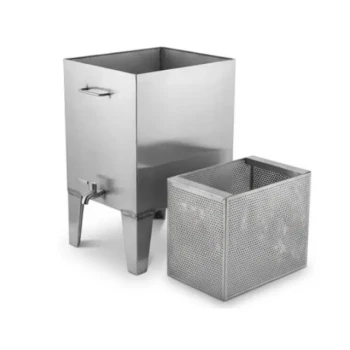
- Beeswax Melter for Candle Making Honey Bee Wax Melter
- Steam Beeswax Melter Wax Warmer for Wax Processing
- Solar Beeswax Melter Easy Solar Wax Melter for Beeswax
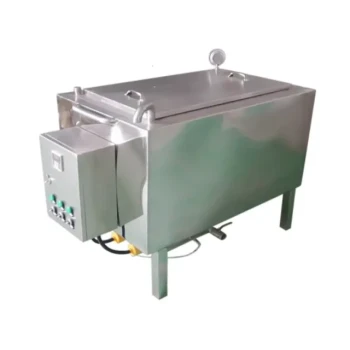
- Electric Commercial Beeswax Melter for Factory Use
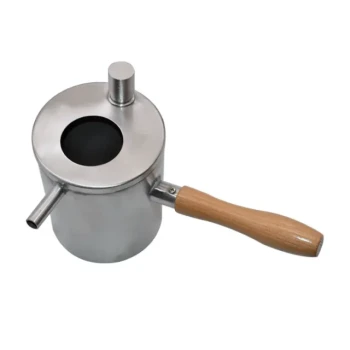
- Professional Stainless Steel Wax Melter for Beekeeping and Crafts
People Also Ask
- What is the best way to melt beeswax? Safely Preserve Quality with Indirect Heat
- What is the best way to melt beeswax? Use a Solar Wax Melter for Simple, Pure Results
- What types of beeswax melters are available for beekeepers? Choose the Right One for Your Operation
- What safety precautions should be taken when melting beeswax? A Guide to Flammable Wax Handling
- What types of beeswax melters are available for different scales of beekeeping? Solar vs. Electric Melters Compared