Removing a queen cage from a honey bee package involves a precise sequence of calming the bees, clearing the workspace, and extracting the components quickly. You must mist the cluster, jar the bees to the bottom of the box, remove the feed can, and extract the queen cage while minimizing bee flight.
Success relies on balancing speed with temperature awareness. By driving the bees to the bottom of the package and acting decisively, you can extract the queen safely without mass escape or chilling the colony.
Preparation and Calming
Managing Bee Flight
Before opening the package, you should mist the bees with sugar water. This calms the colony and makes their wings slightly sticky, preventing them from flying up immediately when the package is opened.
Temperature Constraints
Do not mist the bees if the temperature is below 40°F. Adding moisture in freezing or near-freezing conditions can chill the bees to a fatal level; in these conditions, rely on speed rather than sugar water.
Clearing the Workspace
Lightly tap the package against the ground. This physical impact causes the bee cluster to fall to the bottom of the box, creating necessary clearance at the top to remove the hardware without crushing bees.
The Extraction Process
Removing the Feed Can
Once the bees are at the bottom, you must act quickly. Pull the feed can out of the package opening to reveal the queen cage, which is usually suspended alongside it.
Extracting the Queen Cage
Reach into the void left by the feed can and extract the queen cage. This is often held in place by a metal tab or strap; lift it out carefully to avoid dropping it back into the mass of bees.
Protecting the Queen
Immediately move the queen cage to a safe, sheltered area. The queen is vulnerable to temperature fluctuations; she must be protected from cold air, wind, and drafts while you prepare for the next steps of installation.
Understanding the Trade-offs
Speed vs. Precision
There is a critical tension between moving fast and moving carefully. If you move too slowly after tapping the box, the bees will climb back up and fly out; if you move too fast, you risk crushing the queen or dropping the can.
The Misting Variable
While misting makes the job significantly easier by limiting flight, it introduces a thermal risk. You must constantly evaluate if the weather is warm enough to justify wetting the bees, as hypothermia kills faster than stinging.
Ensuring a Successful Transfer
To ensure the safety of your queen during this process, consider these specific goals:
- If your primary focus is keeping bees in the box: Ensure you tap the box firmly (but safely) against the ground immediately before pulling the can.
- If your primary focus is queen survival: Verify the temperature is above 40°F before misting, and immediately place the removed cage in a warm pocket or wind-free zone.
The queen is the heart of the colony; handle her cage with urgency but extreme gentleness.
Summary Table:
| Step | Action | Key Consideration |
|---|---|---|
| 1. Preparation | Mist bees with sugar syrup | Avoid if temperature is below 40°F |
| 2. Clearance | Firmly tap package on ground | Forces cluster to bottom to prevent escape |
| 3. Removal | Pull feed can out quickly | Minimize the time the package remains open |
| 4. Extraction | Lift queen cage by metal tab | Handle with extreme gentleness to avoid injury |
| 5. Protection | Move cage to sheltered area | Keep queen warm and away from wind/drafts |
Maximize Your Apiary's Success with HONESTBEE
Transitioning a queen is a critical moment for any commercial apiary or distributor. At HONESTBEE, we understand the precision required in beekeeping, which is why we offer a comprehensive wholesale portfolio of professional-grade tools. From durable hive-making machinery and precision honey-filling equipment to essential consumables and honey-themed cultural merchandise, we provide everything you need to scale your operations efficiently.
Ready to upgrade your beekeeping equipment? Contact our expert team today to discover how our wholesale solutions can enhance your productivity and support your business growth.
Related Products
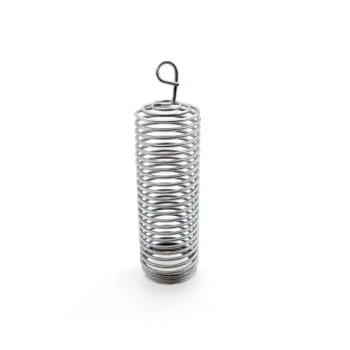
- Durable Galvanized Steel Spring Queen Bee Cage
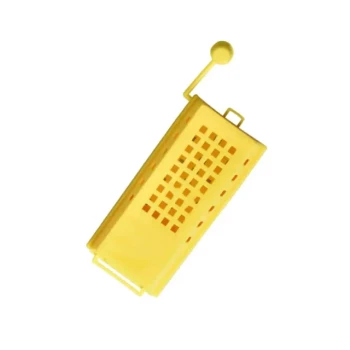
- Professional Queen Cage with Sliding Gate and Feeder Plug
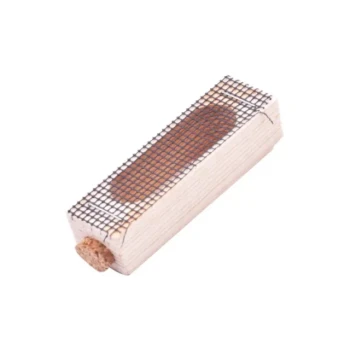
- Classic Wooden and Mesh California Queen Cage
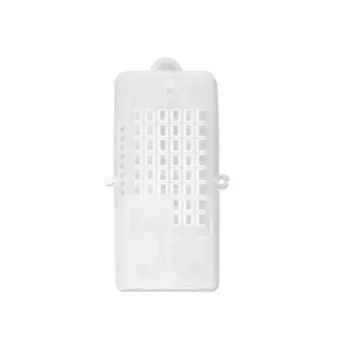
- Professional Queen Bee Introduction and Transport Cage
- Professional Multi-Functional Queen Bee Cage
People Also Ask
- Why are specialized queen bee cages used for the banking of mated queen bees? Maximize Commercial Apiary Storage Efficiency
- What is the mechanism of action for using temporary queen bee cages? Master Successful Queen Introduction
- What is the step-by-step process for installing a queen bee's cage onto a frame? Ensure Hive Acceptance Safely
- What is the optimal placement for a queen bee cage? Essential Strategies for Successful Re-queening
- What are the advantages and disadvantages of introducing a queen bee by embedding the cage? Boost Your Queen Acceptance