To prevent pest infestations in honey frames, the most effective protocol combines a freezing treatment with sealed, climate-controlled containment. You must first kill existing pests by freezing frames for 24 to 48 hours, then store them in a cool, dry environment within lidded bins or sealed bags to prevent re-entry.
Core Takeaway Wax moths and small hive beetles can destroy stored comb rapidly. The definitive solution requires a "kill step" (freezing) to eliminate hidden larvae, followed by storage in a sealed, dry container to physically block new pests from reaching the wax.
The Biological Threat
Identifying the Enemy
The primary threats to stored honey frames are wax moths and small hive beetles.
The Lifecycle Challenge
These pests often lay eggs on the comb that are invisible to the naked eye. Even if a frame looks clean, it may harbor larvae that will hatch and consume the wax and comb during storage.
The Critical "Kill Step": Freezing
Why Freezing is Mandatory
Freezing is the only non-chemical method guaranteed to kill pests at all stages of life, including eggs and larvae. Without this step, placing frames in a bin simply traps the pests inside with their food source.
The Required Duration
Place the frames in a freezer for an initial period of 24 to 48 hours. This duration is sufficient to penetrate the wax and thermal mass of the frame to ensure a total kill.
Continuous Freezer Storage
If space permits, leaving the frames in the freezer indefinitely is the gold standard. This keeps them perfectly preserved for the next nectar flow and completely eliminates pest risks.
Environmental Storage Requirements
Dryness is Non-Negotiable
Frames must be completely dry before being placed in long-term storage. Any residual moisture trapped in a storage container can lead to mold growth, which ruins the comb just as effectively as pests.
Temperature Control
Store treated frames in a cool room, such as a basement. Lower temperatures slow down the activity of any pests that might accidentally breach your containment.
Physical Containment
Once frozen and dried, move the frames to lidded bins or sealed containers. This creates a physical barrier that prevents new moths or beetles from laying eggs on the sterilized frames.
Understanding the Trade-offs
Sealed vs. Ventilated Storage
There is a critical tension between preventing pests and preventing mold.
The Risk of Sealing
Sealed containers (lidded bins/bags) are superior for pest exclusion. However, if the frames are not 100% dry, a sealed environment will cause rapid mold development.
The Risk of Ventilation
Storing frames in a "well-ventilated area" is excellent for preventing mold on unused equipment. However, open ventilation offers zero protection against wax moths unless the area is cold enough to inhibit their lifecycle.
Making the Right Choice for Your Goal
- If your primary focus is absolute pest prevention: Keep the frames in a deep freezer indefinitely until they are needed for the next nectar flow.
- If your primary focus is bulk storage without freezer space: Freeze frames for 48 hours, dry them completely, and store them in sealed, lidded bins in a cool basement.
- If your primary focus is holding honey for extraction: Place frames in weatherproof containers immediately to protect the honey integrity until you can process it.
Treat your drawn comb as a valuable asset; freezing is the insurance policy that protects your investment.
Summary Table:
| Storage Factor | Requirement | Purpose |
|---|---|---|
| Freezing Step | 24–48 hours at 0°F (-18°C) | Kills eggs, larvae, and adult pests |
| Moisture Level | 100% dry to the touch | Prevents mold growth in storage |
| Containment | Lidded bins or sealed bags | Physical barrier against re-infestation |
| Temperature | Cool, dry environment | Slows biological activity of pests |
| Alternative | Continuous freezer storage | Gold standard for perfect preservation |
Protect Your Apiary Assets with HONESTBEE
Your drawn comb is a valuable investment that deserves the best protection. At HONESTBEE, we specialize in supporting commercial apiaries and distributors with a comprehensive range of professional beekeeping solutions. From high-capacity freezing and storage hardware to specialized honey-filling machines and essential consumables, we provide the tools you need to scale your operations efficiently.
Don't let pests compromise your harvest. Partner with a supplier that understands the scale and precision of professional beekeeping. Contact HONESTBEE today to discover our wholesale equipment and machinery tailored for industry leaders.
Related Products
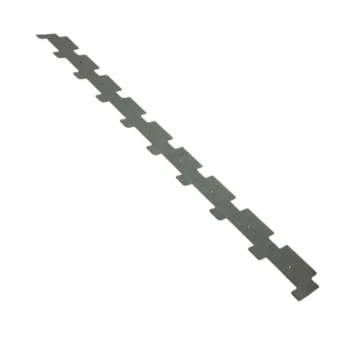
- Heavy Duty Castellated Iron Frame Spacer for Honey Supers
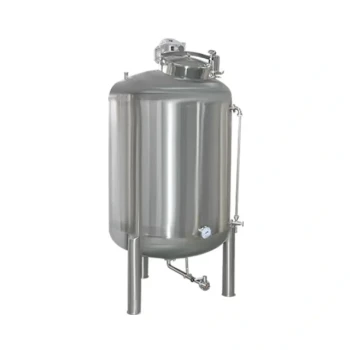
- Stainless Steel Honey Storage Tank with Lid for Honey
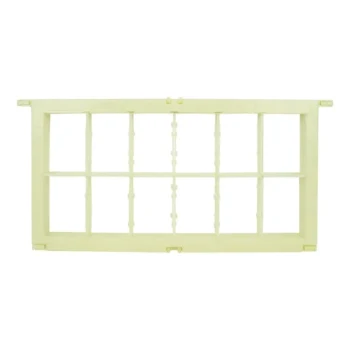
- Professional Sectional Comb Honey Frame with 250g Cassette System for Beekeeping
- Professional Honey Storage Tank with Agitation System
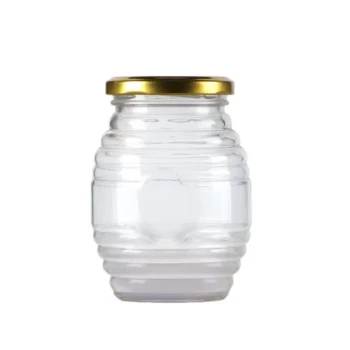
- Classic Glass Honey Jar with Metal Lug Cap for Beehive Storage
People Also Ask
- What are honey super frames and what foundation options are available? Choose the Best Support for Your Bees
- What are the reasons and drawbacks of using nine frames in a ten-frame honey super? Boost Extraction Speed Today
- What are honey super frames and how many are needed per box? A Beekeeper's Essential Guide
- What are honey super frames and their foundation options? Choose the Best Support for Your Hive's Honey Production
- Why might a beekeeper use fewer than the standard number of frames in a honey super? Boost Extraction Efficiency