The fundamental structural difference lies in the presence of an air gap. Dry cappings are characterized by a small air pocket effectively separating the liquid honey from the wax seal. In contrast, wet cappings occur when the bees apply the wax directly against the surface of the honey, leaving no space between the two materials.
The terms "dry" and "wet" refer strictly to the physical positioning of the wax—specifically whether it touches the honey or bridges over it—rather than the actual moisture content or quality of the product.
The Mechanics of the Seal
Structure of Dry Cappings
When bees construct dry cappings, they intentionally leave a void between the stored nectar and the capping wax.
This structural gap creates a reflective surface behind the wax. Consequently, these cappings appear lighter and whiter to the human eye.
Structure of Wet Cappings
In wet cappings, the structural integrity involves zero separation. The wax is laid flush against the meniscus of the honey.
Because the wax is in direct contact with the liquid, it takes on a darker appearance. This creates a visual effect often described as "watery" or soaked, despite the wax itself being solid.
Operational Considerations
Common Misconceptions
It is a common pitfall to assume that the visual difference implies a variance in wax quality.
The difference is purely mechanical and optical. The distinct look of wet cappings is caused by light passing through the wax into the honey, rather than reflecting off an air pocket.
Suitability for Rendering
From a material standpoint, the wax used in both structures is identical.
According to standard apiary practices, both dry and wet cappings are equally suitable for cleaning and rendering. There is no disadvantage to processing wet cappings into beeswax products.
Assessing Your Production Goals
While the wax is chemically similar, the structural difference affects the visual presentation of the final product.
- If your primary focus is comb honey aesthetics: Dry cappings are often preferred for their clean, white appearance which many consumers associate with high-quality comb honey.
- If your primary focus is beeswax production: You can harvest and render both types indiscriminately, as the yield and quality of the resulting wax are unaffected by the capping structure.
The choice between the two is ultimately a matter of visual preference, not biological utility.
Summary Table:
| Feature | Dry Cappings | Wet Cappings |
|---|---|---|
| Structural Gap | Small air pocket between honey and wax | Wax applied directly against the honey |
| Visual Appearance | Lighter, whiter, and opaque | Darker, translucent, and "watery" |
| Light Interaction | Reflects light off the air gap | Light passes through wax into the honey |
| Wax Quality | Identical to wet cappings | Identical to dry cappings |
| Best Use Case | Premium aesthetic comb honey | General beeswax rendering & honey extraction |
Scale Your Honey Production with HONESTBEE
Whether you are focusing on the aesthetic appeal of dry cappings for comb honey or maximizing yield through efficient rendering, HONESTBEE provides the professional-grade tools you need. As a dedicated partner to commercial apiaries and distributors, we offer a comprehensive wholesale range—from specialized hive-making machinery and honey-filling lines to essential consumables and beekeeping hardware.
Ready to enhance your apiary's efficiency and product quality? Contact us today to explore our full equipment portfolio and see how our industrial-strength solutions can grow your business.
Related Products
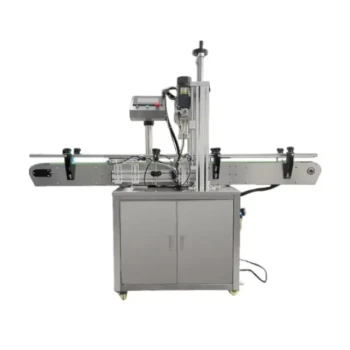
- Automatic Inline Spindle Bottle Capping Machine for Honey Production
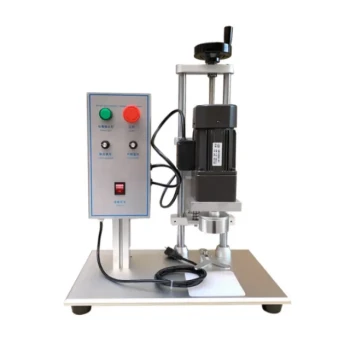
- Semi Automatic Electric Bottle Capping Machine
- Professional Honey Uncapping Roller for Efficient Harvesting
- Plastic Honey Uncapping Tub Tank for Beekeeping
- Wide Adjustable Stainless Steel Honey Uncapping Fork with Scraper
People Also Ask
- How does a bottle capping machine work? Unlock Efficient, Consistent Sealing for Your Production Line
- What is the purpose of a bottle capping machine? Boost Efficiency and Ensure Product Integrity
- What are the categories of bottle capping machines? Choose the Right Automation for Your Line
- What is the purpose of bottle capping equipment and what types are available? Professional Sealing Solutions
- What are the main types of caps supported by bottle capping equipment? Threaded, Press-On, and Insertion