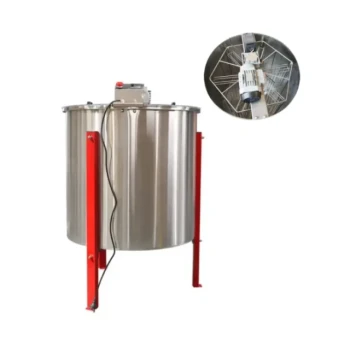
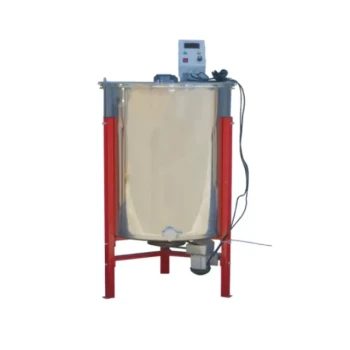
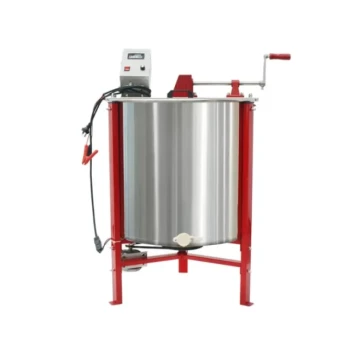
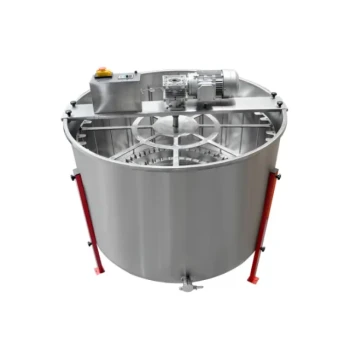
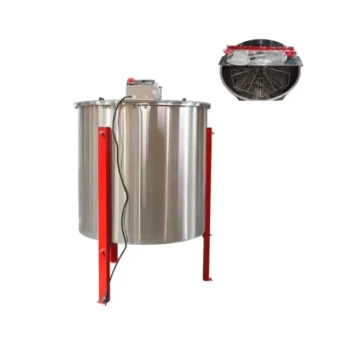
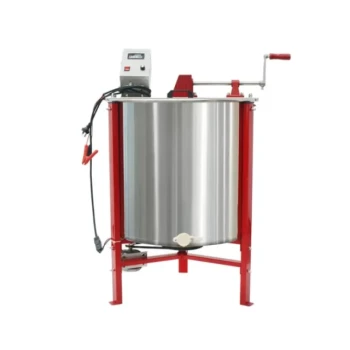
Electric honey extractors represent a fundamental shift in apiary processing by substituting variable human effort with precise, motorized consistency. The primary technical advantage lies in the application of controlled centrifugal force, which maintains a stable rotation speed to achieve higher honey yields and shorter extraction cycles without the fluctuations inherent in manual cranking.
The Core Insight While speed is often the marketed benefit, the true technical advantage of electric extraction is process stability. By eliminating the inconsistencies of manual rotation, you protect the structural integrity of the wax comb, allowing for immediate reuse and significantly reducing the biological energy cost your bees must pay to rebuild.
The Mechanics of Extraction Efficiency
Stable Rotation Speed
Manual extractors rely on the operator's physical rhythm, which inevitably fluctuates. Electric extractors utilize motors to generate consistent, high-frequency centrifugal force.
This stability ensures that honey is pulled from the cells thoroughly, maximizing the yield per frame.
Increased Throughput via Multitasking
In a manual setup, the operator is mechanically tied to the machine during the spinning cycle. Electric models automate this phase, freeing the operator to perform other critical tasks.
This allows for a continuous workflow where you can uncap the next batch of frames while the current batch is being processed, effectively halving the downtime between cycles.
Precision Speed Control
Different honey viscosities and ambient temperatures require different extraction forces. Electric extractors often feature variable speed controls, allowing you to ramp up intensity gradually.
This precision prevents the "blowouts" common with manual extractors, where sudden bursts of speed can rupture the comb before the honey has sufficiently loosened.
Preserving the Apiary's Biological Assets
Protecting Comb Structural Integrity
The primary reference highlights that electric extractors allow for a shorter extraction cycle that is less damaging to the wax. Smooth, controlled acceleration prevents the physical shock that often cracks or collapses frames in manual devices.
Preserving the comb is not merely about convenience; it is a critical component of colony management.
Reducing Bee Energy Expenditure
When a frame is returned to the hive intact, bees can immediately begin refilling it with nectar. If the comb is damaged, the colony must divert resources to generate new wax.
Bees consume significant amounts of honey and energy to secrete wax. By preserving the comb through precise electric extraction, you direct the colony's energy toward honey production rather than infrastructure repair.
Operational Scalability and Hygiene
Reducing Physical Labor Intensity
For medium-to-large operations, the physical effort of hand-cranking becomes a bottleneck. Electric motors eliminate this fatigue, allowing for sustained operation over long harvesting periods.
This reduction in labor intensity ensures that the quality of work remains high even at the end of a long processing day.
Minimizing Contamination Risks
Industrial-grade electric extractors are typically constructed from food-grade stainless steel. This material ensures that the chemical and nutritional properties of the honey are preserved during the high-speed spin.
Furthermore, by reducing the amount of direct handling and physical exertion required, the process maintains a higher standard of hygiene compared to labor-intensive manual methods.
Understanding the Trade-offs
Infrastructure Requirements
Unlike manual extractors, which can be used anywhere, electric models are tethered to a power source. This limits their portability and may require generators or extension cords for field operations.
Complexity and Maintenance
The introduction of motors and speed controllers adds mechanical complexity. While manual gears are simple to repair, an electric failure can halt production until specific components are replaced.
Making the Right Choice for Your Goal
To determine if an electric extractor is the right technical solution for your apiary, consider your primary operational objectives:
- If your primary focus is Maximizing Yield: Electric extraction provides the stable centrifugal force required to remove the maximum amount of honey without destroying the comb.
- If your primary focus is Operational Efficiency: The ability to uncap frames while the machine spins allows for a continuous workflow, essential for managing higher hive counts.
- If your primary focus is Colony Health: Preserving drawn comb reduces the metabolic tax on your bees, allowing for faster colony recovery and higher subsequent production.
Ultimately, the electric extractor transforms honey harvesting from a physical chore into a managed industrial process, prioritizing both the operator's time and the colony's resources.
Summary Table:
| Feature | Electric Honey Extractor | Manual Extraction Equipment |
|---|---|---|
| Rotational Force | Stable, motorized centrifugal force | Variable, dependent on human effort |
| Efficiency | High throughput (allows multitasking) | Low (requires continuous manual labor) |
| Comb Protection | High (precise variable speed control) | Moderate to Low (risk of frame blowouts) |
| Labor Intensity | Low (automated spinning) | High (physical cranking required) |
| Colony Impact | Preserves comb for faster nectar storage | High risk of comb damage requiring repair |
| Primary Use | Commercial apiaries & scaling operations | Hobbyists & very small-scale setups |
Scale Your Apiary Operations with HONESTBEE
Transitioning from manual labor to automated precision is critical for growing your honey production. HONESTBEE specializes in supporting commercial apiaries and distributors with high-performance electric honey extractors and automated machinery.
Our comprehensive wholesale offering includes everything from industrial hive-making machines to precision honey-filling equipment and essential consumables. By choosing HONESTBEE, you ensure your honey harvesting is efficient, hygienic, and less taxing on your bee colonies.
Ready to upgrade your equipment and maximize your yields? Contact our expert team today to discuss how our wholesale solutions can benefit your business!
References
- M. A. Al-Rajhi. EFFECT OF SHADING AND VENTILATION ON THE AMOUNT OF WATER CONSUMED FOR COOLING BEEHIVE DURING SUMMER SEASON. DOI: 10.21608/mjae.2017.96196
This article is also based on technical information from HonestBee Knowledge Base .
Related Products
- HONESTBEE 72 Frame Industrial Electric Honey Extractor for Beekeeping
- Electric 4 Frame Tangential Honey Extractor
- 32 Frame Commercial Electric Honey Extractor for Beekeeping and Honey Production
- HONESTBEE 6 Frame Self Reversing Electric Honey Extractor for Beekeeping
- Commercial Electric 12 Frame Honey Extractor Spinner Motorized Honey Extractor
People Also Ask
- What is the importance of balancing honeycomb frames within a honey extractor? Ensure Stability and Protect Machinery
- How is honey separated from the frames after they are uncapped? Efficient Extraction Methods for High Yields
- What are the main benefits of using a honey extractor? Maximize Yields and Protect Your Honeycomb
- What are the recommended methods for removing honey from the honeycomb? Top Extraction Techniques for Maximum Efficiency
- How do manual honey extractors compare to electric honey extractors? Choosing the Right Tool for Your Apiary Growth