The primary technical advantage of ultrasonic extraction over manual stirring is the generation of cavitation effects. While manual stirring merely moves solvent around the exterior of the material, an ultrasonic cleaner uses high-frequency vibrations to create micro-pressure shock waves. These waves penetrate the complex resinous structure of propolis at a microscopic level, disrupting the matrix to release active ingredients that manual agitation simply cannot reach.
The definitive difference lies in acoustic cavitation: the rapid formation and collapse of microscopic bubbles that generate intense shock waves and micro-jets. This physical mechanism shatters the waxy protective layers of propolis, allowing for the rapid, high-yield recovery of heat-sensitive compounds without the thermal degradation associated with traditional methods.
The Mechanism of Action: Cavitation vs. Agitation
Microscopic Structural Disruption
Manual stirring relies on macroscopic convection, washing the solvent over the surface of propolis particles. In contrast, ultrasonic extractors generate micro-pressure shock waves within the solvent. These waves physically break down the internal structure of the propolis, fracturing the resinous matrix to expose trapped compounds.
Penetrating the Waxy Barrier
Propolis possesses a protective waxy layer that repels many solvents and hinders manual extraction. The micro-jets created by bubble collapse during cavitation effectively strip away this waxy coating. This significantly increases the contact area between the solvent and the phenolic compounds, facilitating a deeper extraction.
Enhancing Solvent Diffusion
The shock waves generated by high-frequency ultrasound accelerate the diffusion of target compounds, such as diterpenoids, into the solvent. By breaking down cell walls and particle structures, the solvent can penetrate areas that remain inaccessible during standard mechanical stirring.
Preservation of Bioactive Integrity
Operating at Lower Temperatures
Traditional extraction often requires heat to increase solubility, which risks damaging delicate ingredients. Ultrasonic extraction achieves high efficiency at low temperatures, typically between 25°C and 40°C. This capability is critical for maintaining the chemical stability of the final product.
Protecting Heat-Sensitive Compounds
Many active ingredients in propolis, such as flavonoids, polyphenols, and gallic acid, are thermolabile (sensitive to heat). By relying on mechanical forces rather than thermal energy, ultrasonic extraction prevents the thermal degradation of these antioxidants, ensuring a more potent end product.
Operational Efficiency and Yield
Drastic Reduction in Processing Time
The difference in extraction speed is exponential. Processes that traditionally take 5 hours or even several days via maceration or stirring can be completed in 30 to 60 minutes with ultrasonication. This allows for significantly higher throughput in a production environment.
Superior Component Recovery
Because the cavitation effect disrupts the matrix so thoroughly, the recovery rate of specific components improves. References indicate a higher extraction of dry matter and specific bioactive markers, such as total phenols, compared to passive or stirred methods.
Understanding the Trade-offs
Heat Management Requirements
While the process allows for low-temperature extraction, the physical energy of cavitation naturally generates heat over time. Unlike a manual stir bar, an ultrasonic system requires active temperature monitoring or a cooling bath to ensure the solvent temperature remains within the optimal range (e.g., below 40°C).
Equipment Complexity
Moving from manual stirring to ultrasonic extraction introduces more variables to control. Operators must manage frequency, power intensity, and duration to avoid over-processing, which could potentially degrade the very structural integrity you aim to harvest if left unchecked for too long.
Making the Right Choice for Your Goal
To maximize the value of your extraction process, align your method with your specific targets:
- If your primary focus is potency and quality: Utilize ultrasonic extraction to maximize the yield of heat-sensitive phenolics and flavonoids without thermal damage.
- If your primary focus is production throughput: Switch to ultrasonication to reduce your extraction cycle from days or hours down to less than an hour.
By shifting from simple agitation to acoustic cavitation, you transform the extraction process from a passive surface wash into an active, deep-tissue release of bioactive compounds.
Summary Table:
| Feature | Manual Stirring / Maceration | Ultrasonic Extraction |
|---|---|---|
| Mechanism | Macroscopic Agitation | Acoustic Cavitation |
| Extraction Time | 5 Hours to Several Days | 30 - 60 Minutes |
| Temperature | Often Requires High Heat | 25°C - 40°C (Cold Extraction) |
| Compound Integrity | High Risk of Thermal Decay | Preserves Flavonoids & Phenols |
| Penetration | Surface Level Only | Deep Micro-Matrix Disruption |
| Efficiency | Low / Variable Recovery | Superior Recovery & High Yield |
Maximize Your Propolis Quality with HONESTBEE
Elevate your production standards by transitioning from manual methods to precision extraction technology. HONESTBEE specializes in supporting commercial apiaries and distributors with high-performance beekeeping machinery and tools.
Whether you need industrial-grade ultrasonic extractors to preserve bioactive integrity or a full spectrum of hive-making and honey-processing equipment, we provide the wholesale solutions you need to scale your operations efficiently.
Ready to upgrade your yield? Contact us today to explore our comprehensive equipment catalog!
References
- Ramadhan Nyandwi, Hasan Hüseyin Oruç. Determination and Quantification of Gallic Acid in Raw Propolis by High-performance Liquid Chromatography–Diode Array Detector in Burundi. DOI: 10.24248/easci.v1i1.18
This article is also based on technical information from HonestBee Knowledge Base .
Related Products
- 8 Frame and 10 Frame Propolis Trap Collector Screen for Propolis Collection
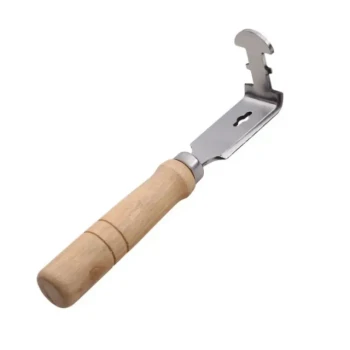
- Professional Stainless Steel Frame Cleaner with Ergonomic Wood Handle
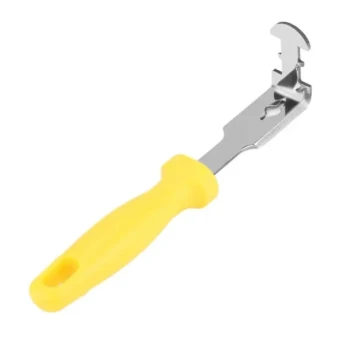
- Heavy Duty Stainless Steel Frame Cleaner with Plastic Handle
People Also Ask
- Why is a specific wooden frame required when installing a propolis screen? Optimize Your Propolis Harvest Efficiency
- What are the advantages of using propolis collector screens? Elevate Your Harvest to Pharmaceutical Purity
- How do propolis collection screens work? Discover material specs for commercial harvesting equipment
- How does the mesh size of a propolis collection screen influence the efficiency of propolis harvesting? Optimize Yields!
- How do commercial-grade plastic screens compare to custom fine-mesh screens? Maximize Your Propolis Yield & ROI