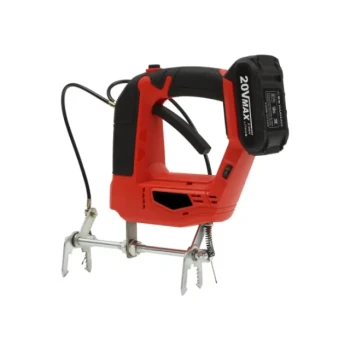
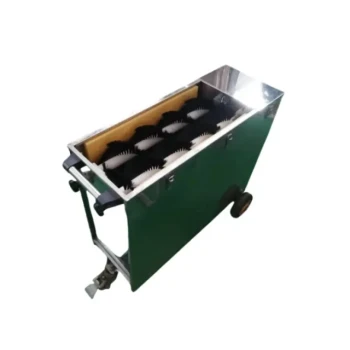
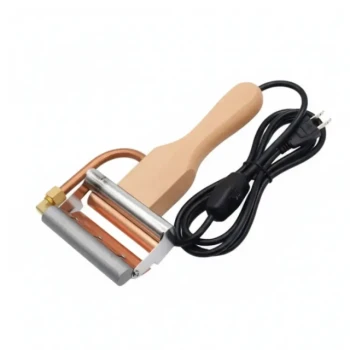
The primary technical advantage of using dedicated electric honey suction equipment for stingless bees is the ability to harvest honey via negative pressure without destroying the physical structure of the hive. This method ensures superior hygiene and purity by extracting honey directly from individual storage pots, preventing the contamination common in traditional crushing methods where honey mixes with larvae, pollen, and resin.
Core Takeaway Traditional harvesting methods like crushing or squeezing compromise honey quality by mixing it with hive debris and biological matter. Electric suction technology creates a "closed-loop" extraction process, isolating the honey harvest from the colony's brood and waste, which preserves both the product's clarity and the hive's long-term productivity.
Elevating Honey Purity and Hygiene
The most immediate impact of switching to electric suction equipment is a measurable improvement in the physical and chemical quality of the harvested honey.
Elimination of Cross-Contamination
Traditional methods often involve squeezing or crushing the entire nest structure. This inevitably mixes the honey with bee bread, royal jelly, and larval debris.
Suction devices allow for precision. By inserting a tube directly into the honey pot, you extract only the liquid nectar, leaving the surrounding contaminants behind.
Prevention of Resin Leaching
Stingless bees store honey in pots made of cerumen (a mixture of wax and plant resins/propolis).
When these pots are crushed, resin impurities are released into the honey, altering the flavor and clarity. Vacuum extraction utilizes negative pressure to pull honey out without breaking down the resinous pot walls, maintaining the honey's natural flavor profile.
The Enclosed Vacuum System
Traditional crushing is often an open-air process, exposing the honey to environmental dust and pests.
Electric suction machines utilize a fully enclosed vacuum collection system. The honey travels from the pot, through a hose, and directly into a sealed collection bottle, preventing exposure to external contaminants during the harvest.
Preserving Colony Structure and Health
Beyond the product quality, the technical design of suction equipment addresses the sustainability of the bee colony itself.
Non-Destructive Harvesting
Stingless bees build complex nest structures where honey pots are often located near, but distinct from, the brood (larvae) area.
Crushing methods destroy these structures indiscriminately. Suction equipment allows for non-destructive harvesting, where the honey is removed while leaving the pot structure intact for the bees to refill.
Protection of the Brood Zone
A major risk in traditional harvesting is the accidental destruction of brood cells, leading to larval mortality.
Suction technology enables precise localization. The operator can navigate around the nest architecture, ensuring the harvest does not interfere with the colony's reproduction or destroy the core brood structure.
Energy Conservation for the Colony
When a hive is crushed, bees must consume significant resources to secrete new wax and rebuild their storage pots.
By preserving the existing pots, suction extraction saves the colony energy. This allows the bees to focus on productivity and foraging rather than reconstruction, leading to faster recovery times after harvest.
Understanding the Trade-offs
While electric suction offers superior technical results, it introduces operational complexity compared to manual methods.
Equipment Dependence and Maintenance
Unlike simple crushing tools, electric suction relies on vacuum pumps and power sources. Mechanical failure or lack of electricity (in remote apiaries) can halt operations, whereas manual methods are fail-safe.
Viscosity Limitations
Stingless bee honey is generally more fluid than Apis mellifera honey, making it suitable for suction. However, if the honey has crystallized or is exceptionally viscous due to specific floral sources, suction efficiency may decrease compared to physical pressing.
Making the Right Choice for Your Goal
The choice between suction and traditional methods depends on whether you prioritize product quality or operational simplicity.
- If your primary focus is Commercial Grade Honey: Use electric suction to ensure high clarity, low impurity levels, and a standardized flavor profile free from resinous contamination.
- If your primary focus is Colony Sustainability: Use electric suction to minimize stress on the bees, prevent larval death, and allow for rapid refilling of storage pots.
- If your primary focus is Low-Cost/Remote Operations: Manual pressing may be necessary if power is unavailable, but be prepared for lower honey clarity and increased stress on the hive.
Summary: For professional stingless beekeeping, electric suction is the definitive standard, transforming harvesting from a destructive extraction into a sustainable, sanitary surgical procedure.
Summary Table:
| Feature | Traditional Crushing/Squeezing | Electric Suction Equipment |
|---|---|---|
| Honey Purity | High risk of larval & resin debris | Direct, pure liquid extraction |
| Hive Structure | Destructive; requires total rebuild | Non-destructive; pots remain intact |
| Colony Health | High stress; risk of brood mortality | Low stress; protects reproduction zone |
| Hygiene | Open-air exposure to dust/pests | Closed-loop vacuum collection system |
| Recovery Time | Slow (bees must rebuild storage) | Fast (bees focus on foraging) |
Modernize Your Apiary with HONESTBEE Technology
Elevate your honey production standards and ensure the long-term sustainability of your stingless bee colonies. HONESTBEE specializes in catering to commercial apiaries and distributors, providing a comprehensive wholesale range of professional beekeeping tools and advanced machinery.
From high-efficiency electric suction equipment to specialized hive-making and honey-filling machines, our portfolio offers the hardware and consumables you need to scale your operations. Partner with us to deliver superior honey quality while maximizing hive productivity.
Contact HONESTBEE Today for a Custom Quote
References
- Mohd Zulkifli Muhammad, Faizar Rianda. PEMBERDAYAAN PETERNAK LEBAH TRIGONA PADA KELOMPOK USAHA A BEE HONEY DI GAMPONG ALUE AWE KECAMATAN MUARA DUA. DOI: 10.56806/jh.v3i4.109
This article is also based on technical information from HonestBee Knowledge Base .
Related Products
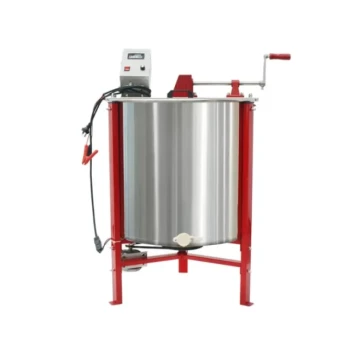
- HONESTBEE 6 Frame Three Use Electric Honey Extractor for Beekeeping
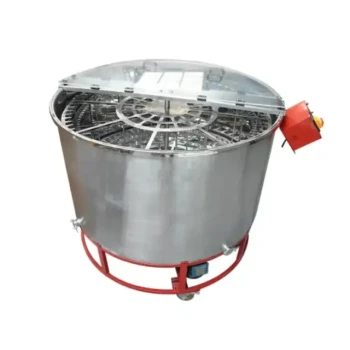
- HONESTBEE 72 Frame Industrial Electric Honey Extractor for Beekeeping
- HONESTBEE 6 Frame Self Reversing Electric Honey Extractor for Beekeeping
- Professional 4 Frame Self Reversing Electric Honey Extractor for Beekeeping
- Electric 8 Frame Honey Spinner Extractor Equipment for Beekeeping
People Also Ask
- What are the advantages of an electric honey extractor? Boost Efficiency and Scale Your Honey Production
- What are the features of an electric honey extractor? Boost Your Apiary's Productivity with Motorized Efficiency
- How does an electric honey extractor function? Streamline Your Harvest with Motorized Efficiency
- How long does an electric honey extractor take? Drastically Cut Your Harvest Time & Effort
- How does an electric honey extractor affect the quality of honey? Preserve Flavor & Purity with Precision Extraction