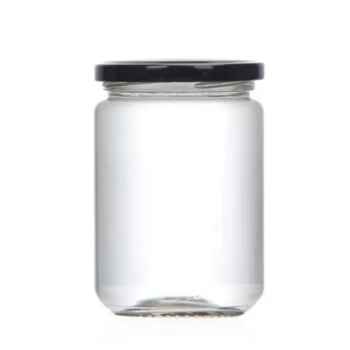
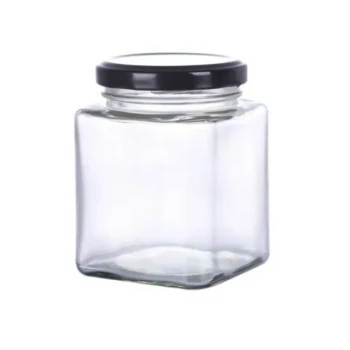
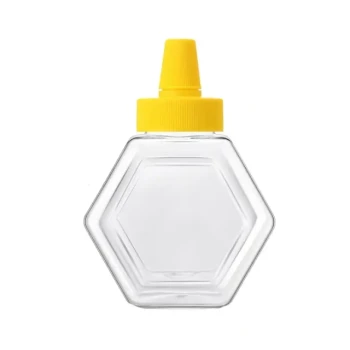
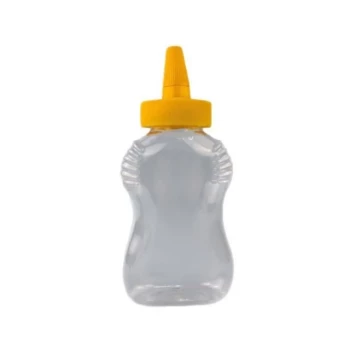
Glass offers superior technical preservation capabilities compared to plastic for honey packaging. It provides an impermeable barrier against moisture and gas exchange, ensuring the honey's physical and chemical stability is strictly maintained. Furthermore, its high chemical inertness prevents the migration of harmful substances, while superior transparency facilitates necessary visual quality inspections.
While plastic offers lightweight utility, glass acts as a hermetic shield that locks in biological activity and volatile aromatics while strictly blocking moisture intrusion. It is the definitive material for preventing chemical leaching and preserving the therapeutic efficacy of the product.
Preserving Chemical and Physical Integrity
The Impermeable Barrier
Honey is naturally hygroscopic, meaning it readily absorbs moisture from the air.
Glass provides a dense molecular structure that creates a superior seal compared to plastic. This effectively stops moisture intrusion, preventing the water content from rising to levels that would trigger fermentation and spoilage.
Protection Against Oxidation
Glass possesses excellent gas barrier properties that plastic containers often lack.
By blocking oxygen entry, glass slows down the oxidative browning process. This preserves the honey's original color and prevents the degradation of volatile aromatic compounds that define its specific flavor profile.
Ensuring Safety and Biological Activity
Zero Chemical Migration
Glass is chemically inert and stable.
Unlike plastic, which carries risks of leaching additives such as plasticizers into the content, glass ensures no foreign substances migrate into the honey. This is critical for maintaining the product's purity and status as a natural food source.
Maintaining Therapeutic Efficacy
Honey contains unstable antibacterial components, such as hydrogen peroxide, which are responsible for its medicinal properties.
Because glass prevents chemical interactions and leaching, it better maintains the biological activity of these components. This makes glass the technically superior choice for honey marketed as a natural medicine or health supplement.
Operational and Sensory Advantages
Visual Inspection and Transparency
The high transparency of glass allows for immediate visual assessment of the product.
Producers and consumers can clearly observe the crystallization state and natural color of the honey. This visual clarity acts as a vital quality signal, allowing for the verification of purity without opening the container.
Thermal Resilience during Filling
Glass containers can withstand significantly higher filling temperatures than plastic without deformation.
This thermal stability offers processing advantages during the packaging stage, ensuring the container maintains its structural integrity even when hot liquid honey is introduced.
Understanding the Trade-offs
While glass is technically superior for preservation, it introduces logistical challenges that must be managed.
Fragility and weight are the primary technical downsides. Glass requires more robust secondary packaging to prevent breakage during transport, and its weight increases shipping costs compared to plastic drums. Additionally, while glass preserves quality, it does not offer the impact resistance necessary for rough handling in bulk industrial transport.
Making the Right Choice for Your Goal
Selecting the right packaging material depends on whether your priority is logistical efficiency or absolute product fidelity.
- If your primary focus is preserving therapeutic value: Rely on glass to isolate the honey from external contaminants and prevent chemical leaching that could degrade antibacterial enzymes.
- If your primary focus is premium market positioning: Utilize the transparency and weight of glass to signal high quality and allow consumers to verify the visual sensory attributes of the product.
Glass remains the uncompromised standard for ensuring the chemical and sensory stability of honey over the long term.
Summary Table:
| Feature | Glass Bottles | Plastic Containers |
|---|---|---|
| Barrier Properties | Impermeable to moisture and gas | Permeable to some gases/vapors |
| Chemical Stability | Inert; zero leaching/migration | Risk of plasticizer migration |
| Thermal Resilience | High; withstands hot filling | Lower; prone to deformation |
| Visual Quality | High transparency for inspection | Varies; can cloud over time |
| Preservation | Locks in biological/aromatic activity | Potential for oxidation/fermentation |
Elevate Your Honey Quality with HONESTBEE Packaging Solutions
At HONESTBEE, we understand that for commercial apiaries and distributors, the integrity of your product is your brand's reputation. Our comprehensive wholesale offering includes premium glass storage solutions and advanced honey-filling machines designed to maximize the therapeutic efficacy and shelf life of your honey.
From specialized beekeeping tools to industrial-grade machinery and honey-themed cultural merchandise, we provide the full spectrum of equipment needed to scale your operations.
Ready to upgrade your honey preservation? Contact our expert team today to discuss wholesale solutions and machinery.
References
- Sebastião Pereira Santos, Thiago de Sousa Melo. PERFIL DA PRODUÇÃO APÍCOLA E QUALIDADE FÍSICO-QUÍMICA DE MÉIS PRODUZIDOS NO AGRESTE PARAIBANO. DOI: 10.5380/avs.v24i4.63840
This article is also based on technical information from HonestBee Knowledge Base .
Related Products
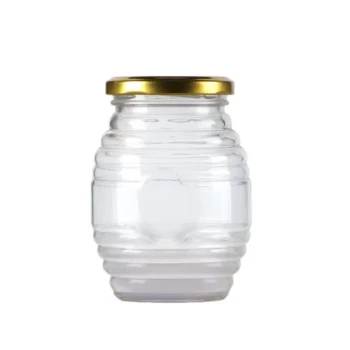
- Classic Glass Honey Jar with Metal Lug Cap for Beehive Storage
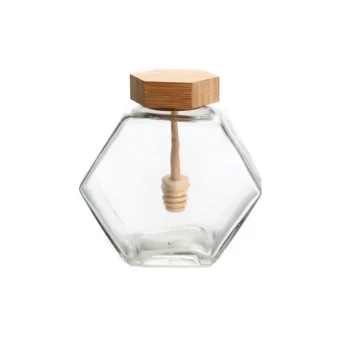
- Hexagonal Glass Honey Jar with Wooden Lid Integrated Dipper Elegant Functional Storage
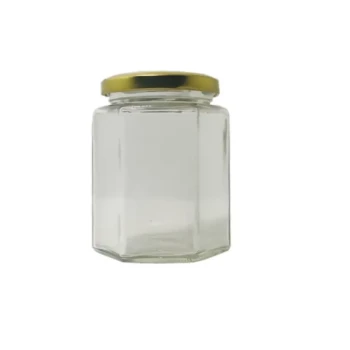
- Hexagonal Glass Honey Jars with Metal Lug Caps Elegant Versatile Packaging
- Classic Drum Shaped Glass Honey Jar with Airtight Lid
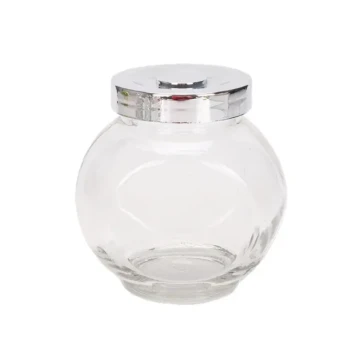
- Classic Round Glass Honey Jar with Lid
People Also Ask
- What are the benefits of glass jars regarding strength and safety for storing honey? Ensure Purity and Long-Term Quality
- What are the advantages of using glass jars for honey storage? Ensure Purity and Premium Appeal for Your Product
- What are the benefits of using high-transparency Glass Jars for honey? Elevate Purity and Premium Branding
- What is the aesthetic appeal of using glass jars for honey? Elevate Your Brand with Premium Packaging
- Which container is best for storing honey? Preserve Purity & Flavor with the Right Choice