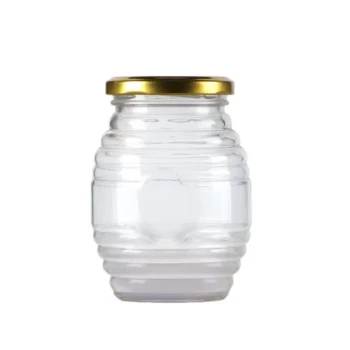
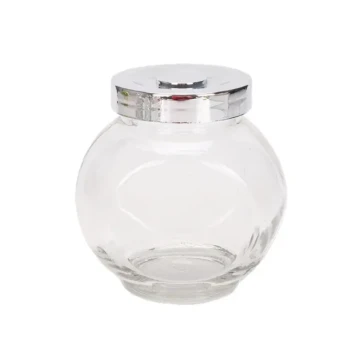
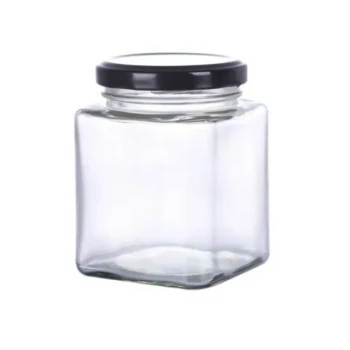
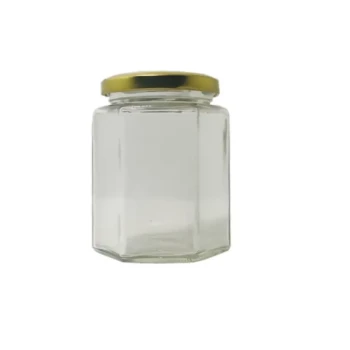
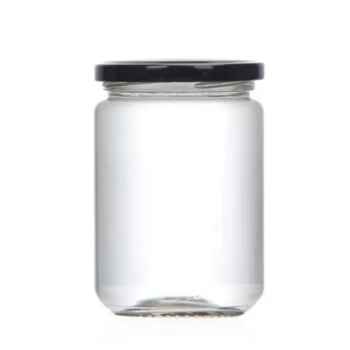
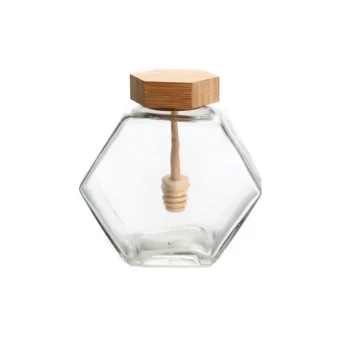
Glass jars offer a scientifically rigorous method for syrup delivery characterized by chemical inertness, high visibility, and measurement precision. When inverted over a hive, these devices utilize physical pressure differentials to maintain a consistent flow rate, allowing for the accurate data collection necessary to evaluate colony energy intake and diet effects.
Core Takeaway: The primary technical advantage of the glass jar method is the combination of data integrity and delivery consistency. It transforms feeding from a general maintenance task into a quantifiable process, enabling precise tracking of sucrose consumption without contaminating the food source.
Precision and Data Integrity
Accurate Consumption Recording
For research and precise colony management, quantifying energy intake is essential. Glass jars allow for the accurate recording of syrup consumption down to precise volumes.
This capability is critical when evaluating the stimulation effects of different diets. It enables the beekeeper or researcher to correlate exact caloric intake with specific changes in colony behavior or brood production.
Chemical Stability
Unlike certain plastics or metals, glass provides superior chemical stability. It does not react with the sucrose solution or leach compounds into the feed.
This ensures that the "stimulation effects" observed are solely due to the diet provided, rather than contaminants from the delivery vessel.
Operational Mechanics
Controlled Delivery via Pressure Differentials
The delivery mechanism relies on physics rather than mechanical valves. When the jar is inverted, physical pressure differentials (a vacuum effect) are created inside the vessel.
This ensures a continuous and steady supply of syrup. The fluid is released only as the bees consume it, preventing uncontrolled flooding of the hive.
Non-Intrusive Visual Monitoring
Glass offers the distinct advantage of transparency. Operators can assess remaining feed levels instantly through ease of visual monitoring.
This allows for rapid checks without the need to open the jar or disturb the colony, maintaining the internal hive climate.
Hive Security and Placement
Minimizing Robbing Behavior
Glass jars are typically configured as top feeders placed on the hive's inner cover. This positioning minimizes the risk of robbing by other colonies.
Because the syrup is accessible only from within the hive, it prevents the frenzy often caused by external feeders, a crucial benefit during late-season forage scarcity.
Understanding the Trade-offs
Fragility and Handling
The most significant technical downside is material fragility. Glass requires careful handling during transport and inversion to prevent breakage, which creates safety hazards and wasted resources.
Thermal Considerations
Glass is a poor insulator compared to some double-walled plastic feeders. In extreme cold, syrup in a glass jar positioned above the cluster may cool rapidly, potentially reducing uptake rates by the bees.
Making the Right Choice for Your Goal
To determine if glass jars are the appropriate delivery system for your apiary, consider your primary objective:
- If your primary focus is nutritional research: Choose glass jars for their chemical stability and volume precision, which ensure uncontaminated and measurable data points.
- If your primary focus is general seasonal feeding: Utilize this method to prevent robbing during dearths, provided you can manage the handling requirements of the glass components.
Glass jars remain the gold standard when the purity of the diet and the accuracy of consumption data are non-negotiable.
Summary Table:
| Feature | Technical Advantage | Impact on Colony Management |
|---|---|---|
| Material Stability | Chemical inertness; zero leaching | Ensures feed purity and accurate research results. |
| Delivery Method | Pressure differential (vacuum) | Prevents hive flooding and ensures steady supply. |
| Monitoring | High transparency | Allows rapid visual checks without disturbing the hive. |
| Data Precision | Accurate volume measurement | Enables exact tracking of caloric and energy intake. |
| Placement | Internal top-feeding | Minimizes robbing behavior from competing colonies. |
Maximize Your Apiary Efficiency with HONESTBEE
At HONESTBEE, we understand that whether you are a commercial apiary or a specialized distributor, precision and reliability are the foundations of success. Our comprehensive wholesale portfolio offers everything from high-performance beekeeping machinery—including hive-making and honey-filling machines—to essential industry consumables and premium hardware.
Ready to elevate your operations with professional-grade equipment and specialized honey-themed cultural merchandise? Our team is dedicated to providing the tools you need to achieve superior colony health and data-driven results.
Contact HONESTBEE today to discuss your wholesale needs and discover how our expertise can drive your business forward.
References
- Ahmed Elhady. INFLUENCE OF SOME POLLEN SUBSTITUTES ON BROOD REARING OF HONEY BEE AND WORKERS LONGEVITY. DOI: 10.21608/jppp.2012.83764
This article is also based on technical information from HonestBee Knowledge Base .
Related Products
- Classic Glass Honey Jar with Metal Lug Cap for Beehive Storage
- Classic Drum Shaped Glass Honey Jar with Airtight Lid
- Modern Square Glass Honey Jar with Twist Off Lid
- Hexagonal Glass Honey Jars with Metal Lug Caps Elegant Versatile Packaging
- Classic Round Glass Honey Jar with Lid
People Also Ask
- What are the benefits of glass jars regarding strength and safety for storing honey? Ensure Purity and Long-Term Quality
- What are the advantages of using glass jars for honey storage? Ensure Purity and Premium Appeal for Your Product
- What are the benefits of using high-transparency Glass Jars for honey? Elevate Purity and Premium Branding
- What is the aesthetic appeal of using glass jars for honey? Elevate Your Brand with Premium Packaging
- Which container is best for storing honey? Preserve Purity & Flavor with the Right Choice