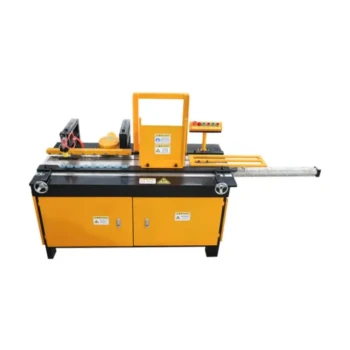
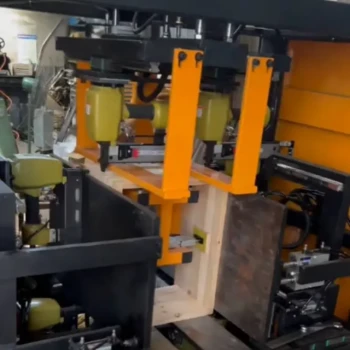
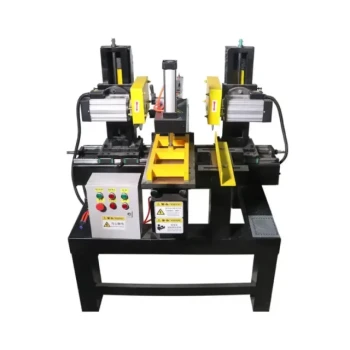
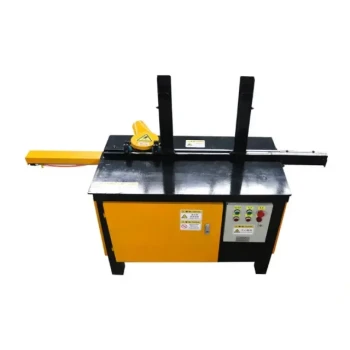
Professional hive-making machinery fundamentally transforms apiary infrastructure by delivering high geometric precision that manual construction cannot consistently match. This mechanical accuracy ensures uniform specifications and tight structural sealing, which are the technical prerequisites for integrating digital apiary management systems and automated honey processing equipment.
The shift to mechanized hive construction is not merely about woodworking speed; it is about establishing a standardized hardware foundation that enables IoT integration, automated extraction, and biologically optimized environments for colony health.
The Strategic Value of Geometric Precision
Enabling the Digital Apiary
Modern beekeeping is increasingly data-driven. Standardized hive structures produced by professional machinery are essential for the seamless installation of Internet of Things (IoT) sensor hardware.
Unlike manual construction, which often results in slight dimensional variations, machine-cut components allow sensors to fit perfectly without modification. This uniformity ensures accurate data collection regarding hive weight, temperature, and humidity.
Streamlining Automated Operations
Scalability in honey production relies on automation. Compatibility with automated honey extraction equipment is a direct result of high-precision manufacturing.
Machine-made hives ensure that frames and boxes fit into processing lines without jamming or requiring manual adjustment. This standardization facilitates the upgrading of the entire beekeeping chain, moving from labor-intensive methods to high-efficiency industrial output.
Optimizing Biological Efficiency
Adhering to the Bee Space Principle
Machinery ensures that internal dimensions strictly follow the "bee space" principle. Manual variances here can be disastrous, causing bees to build burr comb or propolis bridges that complicate management.
By respecting these precise dimensions, machine-made hives reduce the energy bees must consume to seal structural gaps or correct spatial errors. This allows the colony to redirect metabolic energy toward brood rearing and honey production.
Enhancing Microclimate Regulation
A key biological advantage of high-precision assembly is the ability to maintain a constant internal nest temperature of 34°C. Tightly sealed components prevent drafts and thermal leakage.
This stability creates an optimal environment for brood rearing. It significantly improves colony settlement rates and stress resistance, particularly for specific species like the Eastern honeybee that require stable nesting conditions.
Improving Health and Purity Standards
Physical Barriers Over Chemical Solutions
Precision manufacturing creates an effective physical barrier against pathogen invasion and external pests. Tights seals prevent the entry of predators such as hornets or small hive beetles.
This structural integrity reduces the need for chemical pesticides to manage pests. Consequently, this protects the natural purity of the honey and supports organic production environments by facilitating the use of chemical-free wood.
Species-Specific Habitat Design
Professional machinery allows for the production of habitats aligned with the specific biological characteristics of different species.
Whether managing Western or Eastern honeybees, standardized machinery produces tools with stable structures tailored to that species. This improves survival rates and contributes to local biodiversity by reducing colony stress.
Understanding the Trade-offs: Manual vs. Mechanical
While manual construction offers artisanal customization, it introduces critical inconsistencies that hinder growth.
Non-interchangeable parts are a common pitfall of hand-built hives. If a super from Hive A does not fit perfectly onto Hive B, apiary management becomes a logistical nightmare.
Furthermore, manual methods often fail to achieve the airtight sealing required for optimal thermal regulation. This forces the colony to work harder to survive, potentially lowering honey yields compared to colonies housed in precision-milled boxes.
Making the Right Choice for Your Goal
To determine if professional machinery or its output is right for your operation, consider your strategic end-state:
- If your primary focus is Scalability and Automation: You must adopt machine-standardized hives to ensure compatibility with extraction lines and reduce maintenance costs.
- If your primary focus is Organic Certification: You should leverage precision hives to utilize physical barriers against pests, thereby eliminating reliance on chemical treatments.
- If your primary focus is Colony Health: You benefit from machine-cut precision to ensure strict adherence to the bee space principle, minimizing colony stress and energy waste.
Standardization is the technical bridge between traditional beekeeping and a high-efficiency, data-enabled future.
Summary Table:
| Feature | Professional Machinery | Manual Construction |
|---|---|---|
| Geometric Precision | High & Uniform (Standardized) | Variable & Inconsistent |
| IoT Compatibility | Seamless sensor integration | Difficult due to size variance |
| Thermal Regulation | Superior (Airtight sealing) | Lower (Drafts/thermal leaks) |
| Bee Space Adherence | Strict & Precise | Prone to human error |
| Scalability | High (Automation ready) | Low (Non-interchangeable parts) |
| Pest Control | Physical barriers (Tight seals) | Relies more on chemical solutions |
Scale Your Apiary Operations with HONESTBEE Precision
Transitioning from manual construction to mechanized precision is the key to unlocking commercial scalability and high-yield honey production. At HONESTBEE, we empower commercial apiaries and distributors with a complete spectrum of professional solutions. From specialized hive-making and honey-filling machines to a comprehensive range of beekeeping tools and industry consumables, our equipment ensures your hardware foundation is ready for the future of automated, data-driven beekeeping.
Ready to upgrade your efficiency and honey purity? Contact HONESTBEE Today to Explore Our Wholesale Solutions
References
- Pedro Dinis Gaspar, Hélio Silva. Development of Technological Capabilities through the Internet of Things (IoT): Survey of Opportunities and Barriers for IoT Implementation in Portugal’s Agro-Industry. DOI: 10.3390/app11083454
This article is also based on technical information from HonestBee Knowledge Base .
Related Products
- High-Efficiency Pneumatic Bee Hive Making Machine for Rapid Box Assembly
- Beehive Handle and Frame Rest Cutting Machine: Your Specialized Hive Machine
- Mini Desktop Bee Hive Frame Forming Making Machine
- Automatic High-Speed Bee Hive Box Stapling Machine
- Beehive Machine Double End Saw for Precision Hive Component Manufacturing
People Also Ask
- How does the introduction of professional beehive-making machinery benefit sustainable beekeeping? Scale Your Apiary
- Why is specialized beehive-making machinery critical for low-defense breeding? Enhance Selection with Precision Tools
- How does the introduction of specialized beehive making machinery contribute to increasing the scale of regional beekeeping industries?
- What is the importance of specialized beehive making machinery in a circular bio-economy? Build Local Sustainability
- Why is specialized beehive-making machinery essential? Scale Your Apiary with Precision Industrial Standards