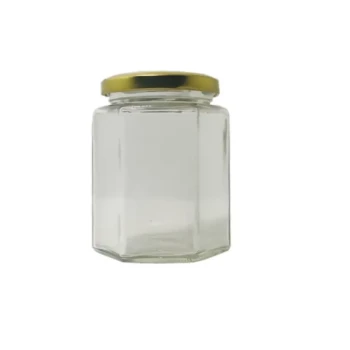
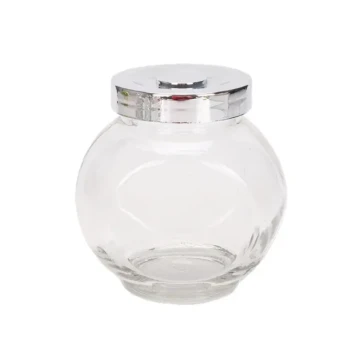
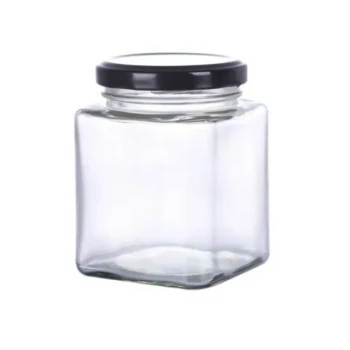
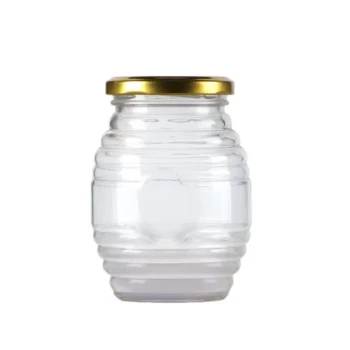
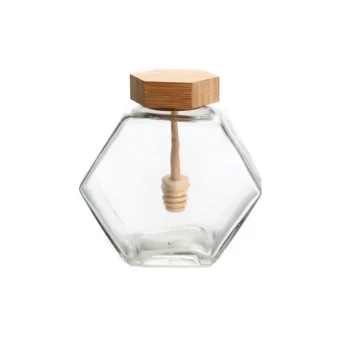
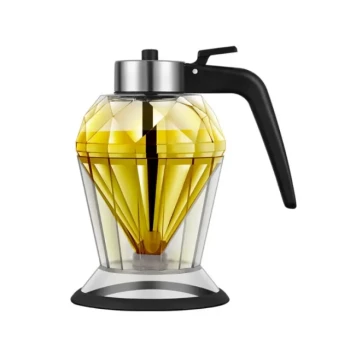
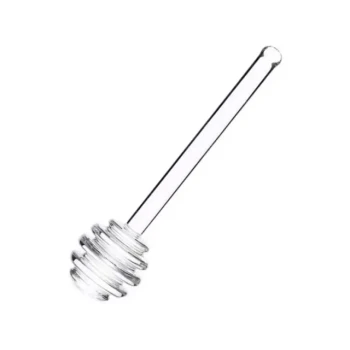
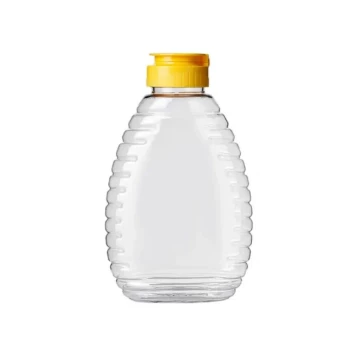
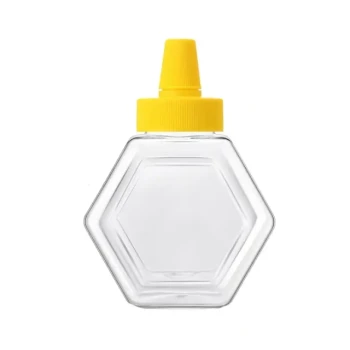
Glass packaging provides superior chemical stability and hermetic sealing capabilities specifically required for honey distribution. These technical attributes effectively prevent moisture absorption and oxidation, ensuring the honey retains its natural aroma, texture, and nutritional profile during storage and transport.
The core value of glass lies in its ability to act as an absolutely inert barrier. Unlike permeable materials, glass isolates honey from environmental variables, stabilizing its complex chemistry and preventing the fermentation or spoilage that occurs when honey interacts with air or moisture.
Preserving Chemical and Biological Integrity
Superior Chemical Stability
Glass is a chemically inert material. It does not react with the acidic nature of honey, nor does it leach chemicals into the product over time. This stability ensures that the honey remains pure and free from container-derived contaminants throughout the distribution chain.
The Airtight Moisture Barrier
Honey is naturally hygroscopic, meaning it readily attracts and holds water molecules from the surrounding environment. Glass containers provide an airtight seal that creates a robust barrier against external humidity.
Preventing Fermentation and Spoilage
By blocking moisture ingress, glass prevents the water content of the honey from rising above critical levels. This is technically vital because excess moisture can trigger fermentation, leading to spoilage and the loss of the product’s commercial value.
Enhancing Sensory and Market Value
Retention of Volatile Aromas
High-quality glass effectively excludes external odors and prevents the escape of internal gases. This preserves the honey's specific natural aroma and flavor profile, which are often lost in more permeable packaging solutions.
Visual Inspection and Transparency
Glass offers high transparency, allowing for direct visual inspection of the product. This technical feature allows quality control teams and consumers to verify the honey's texture, color, and clarity without breaching the seal.
Signaling Premium Quality
Beyond preservation, the material properties of glass act as a quality signal in the marketplace. Ideally suited for premium positioning, glass packaging supports higher retail pricing by enhancing the sensory evaluation of the product.
Understanding the Trade-offs
Logistics and Weight Implications
While glass offers superior protection, it is significantly heavier than plastic alternatives. This increased weight raises fuel consumption and logistics costs during distribution, particularly for long-distance international transport.
Fragility and Handling Risks
Glass is rigid and brittle, making it susceptible to breakage upon impact. To mitigate this technical risk, distributors must invest in robust secondary packaging materials to ensure safety during transit, which can add to the overall cost of goods sold.
Making the Right Choice for Your Goal
- If your primary focus is Premium Quality Preservation: Choose glass to ensure maximum retention of aroma, prevention of fermentation, and high-end market positioning.
- If your primary focus is Logistics Efficiency: Acknowledge that while glass offers the best protection, it will require higher upfront investment in shipping and protective secondary packaging compared to lightweight alternatives.
Glass remains the definitive technical choice for maintaining the pristine, biological condition of honey from the farm to the retail shelf.
Summary Table:
| Technical Feature | Benefit for Honey Distribution | Impact on Product Quality |
|---|---|---|
| Chemical Inertness | Prevents leaching and reactions with acidic honey | Maintains purity and biological integrity |
| Hermetic Sealing | Creates an airtight moisture barrier | Prevents fermentation and spoilage |
| Non-Permeability | Blocks external odors and retains volatile gases | Preserves natural aroma and flavor profile |
| High Transparency | Allows for clear visual inspection | Enables quality control and consumer trust |
| Material Rigidity | Supports premium market positioning | Signals high-end quality and value |
Elevate Your Honey Brand with Professional Packaging Solutions
At HONESTBEE, we understand that premium honey deserves premium protection. Whether you are a commercial apiary or a global distributor, our comprehensive wholesale offering is designed to scale your operations and safeguard your product's integrity.
Why Partner with HONESTBEE?
- Full Spectrum Supply: From high-quality glass packaging consumables to advanced honey-filling machines and hive-making equipment.
- Industry Expertise: We cater specifically to the needs of professional beekeeping businesses, providing everything from specialized hardware to honey-themed cultural merchandise.
- Quality Assurance: Our tools and machinery are built to enhance the efficiency of your distribution chain and the market value of your harvest.
Ready to optimize your production and reach more customers? Contact us today to explore our full range of beekeeping equipment and wholesale packaging solutions.
References
- Burçak Gündal, Çerkez AĞAYEVA. MUŞ’TA ARI ÜRÜNLERİNİN YILLIK TÜKETİMİNE BAĞLI İSTATİSTİKSEL. DOI: 10.52835/19maysbd.1069947
This article is also based on technical information from HonestBee Knowledge Base .
Related Products
- Hexagonal Glass Honey Jars with Metal Lug Caps Elegant Versatile Packaging
- Classic Drum Shaped Glass Honey Jar with Airtight Lid
- Classic Round Glass Honey Jar with Lid
- Modern Square Glass Honey Jar with Twist Off Lid
- Classic Glass Honey Jar with Metal Lug Cap for Beehive Storage
People Also Ask
- What is the aesthetic appeal of using glass jars for honey? Elevate Your Brand with Premium Packaging
- What are the logistical challenges associated with using glass jars for honey packaging? Navigating Weight & Fragility
- What are the advantages of glass containers for honey? Elevate Quality and Market Value with Premium Packaging
- What are the technical advantages of using glass jars for honey? Master Commercial Packaging for Premium Purity
- What are the advantages of using glass jars for honey packaging? Preserve Purity & Elevate Your Brand