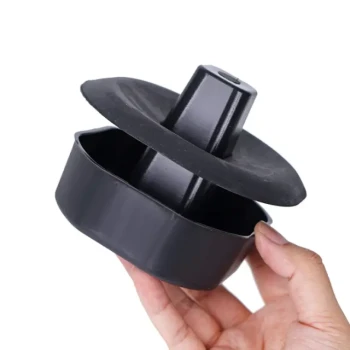
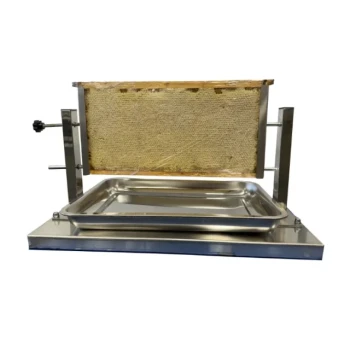
A beehive stand is a structural foundation designed to elevate the hive, preventing moisture accumulation and restricting access for ground-dwelling pests. To ensure stability and longevity, stands should be constructed from durable materials such as cinder blocks, metal, or rot-resistant woods like cedar, pine, poplar, and cypress.
Core Takeaway The primary function of a hive stand is to protect the colony from dampness and pests while optimizing the beekeeper's workflow. A successful design balances durability with an ergonomic height, ensuring the hive is safe from ground threats but low enough to manage heavy upper boxes without a ladder.
The Critical Functions of a Stand
Moisture Management
A hive placed directly on the ground acts as a wick for moisture. This leads to bottom board rot and creates a damp internal environment that threatens colony health. Elevating the hive allows for airflow beneath the bottom board, keeping the structure dry.
Pest Deterrence
Direct ground contact provides an "express lane" for ants, skunks, and other pests to enter the hive. Raising the entrance significantly reduces the likelihood of infestation by ground-dwelling insects and mammals.
Material Options and Durability
Rot-Resistant Woods
When building wooden stands, selecting the right lumber is vital for longevity. Pine, cedar, poplar, and cypress are the recommended options due to their natural resistance to decay.
High-Durability Alternatives
For beekeepers seeking low-maintenance solutions, cinder blocks and metal frames are excellent choices. These materials are impervious to rot and provide a heavy, stable base that is unlikely to shift over time.
Technical Specifications and Dimensions
Optimal Platform Size
The stand must provide a stable footprint that prevents the hive from tipping if bumped. For a single hive, a platform of 24 inches by 24 inches is the standard requirement. This allows the hive to sit comfortably with a margin of error for movement.
Height Requirements
The vertical position of the hive is a matter of ergonomics and safety. The standard practice is to position the hive entrance 16 to 18 inches off the ground.
This height is sufficient to deter pests but keeps the stack low enough for management. If the stand is too tall, adding or removing heavy honey supers during the peak nectar flow becomes dangerous or may require a ladder.
Multi-Hive Configurations
Stands are often designed to hold multiple colonies. A two-hive stand must be more than double the length of a single stand.
Many beekeepers opt to build stands wide enough for three hives but only install two. This extra "dead space" is invaluable during inspections, providing a convenient surface to set down heavy supers, hive covers, and tools.
Operational Trade-offs
The Height Dilemma
There is an inherent trade-off between pest protection and accessibility. A higher stand (above 18 inches) offers superior protection against mammals like skunks and reduces bending during lower-box inspections.
However, as the season progresses and honey supers are stacked on top, a high stand makes the top boxes difficult to reach. Beekeepers must calculate their own height against the expected maximum height of the hive stack.
Spacing Considerations
While maximizing space on a stand is efficient, crowding hives can lead to accidents. A buffer of three to five feet should be maintained between the hive and other objects (or other hive clusters). This ensures a sufficient turning radius for maneuvering equipment and prevents climbing mammals from leaping onto the hive from nearby structures.
Making the Right Choice for Your Goal
Select your stand design based on your physical needs and apiary layout:
- If your primary focus is ergonomics and safety: Build your stand 16–18 inches high to ensure you can lift heavy honey supers without needing a ladder or straining your shoulders.
- If your primary focus is workflow efficiency: Construct a multi-hive stand with extra width (e.g., a three-hive width for two hives) to create a built-in work table for tools and box manipulation.
- If your primary focus is longevity: Prioritize inorganic materials like cinder blocks or metal, or invest in cypress or cedar to minimize rot caused by soil contact.
The best hive stand is one that you don't have to think about—it keeps your bees dry and your back safe.
Summary Table:
| Feature | Specification/Option | Key Benefit |
|---|---|---|
| Recommended Materials | Cedar, Cypress, Metal, Cinder Blocks | High durability and natural rot resistance |
| Optimal Height | 16 to 18 inches off the ground | Balances pest protection with lifting ergonomics |
| Platform Size | 24 x 24 inches (Single Hive) | Provides stability and prevents tipping |
| Pest Deterrence | Elevation from ground level | Blocks access for ants, skunks, and dampness |
| Workflow Tip | Multi-hive stands with "dead space" | Acts as a built-in table for tools and supers |
Scale Your Apiary with HONESTBEE Professional Solutions
Maximize your honey production and operational efficiency with HONESTBEE. We specialize in supporting commercial apiaries and distributors with a comprehensive range of high-quality wholesale beekeeping equipment. From durable hive-making and honey-filling machinery to a full spectrum of tools and industry consumables, we provide everything your business needs to thrive.
Why Partner with HONESTBEE?
- Wholesale Excellence: Access specialized hardware and high-volume consumables designed for professional use.
- Complete Portfolio: We supply everything from hive components to honey-themed cultural merchandise.
- Industry Expertise: We understand the technical requirements of large-scale operations.
Ready to upgrade your infrastructure? Contact us today to discuss our wholesale offerings and how we can support your growth!
Related Products
- Metal Hive Feet Bee Hive Stand for Ant Protection
- Metal Bee Hive Stand Bee Box Stand for Beekeeping
- Plastic Bee Hive Stand for Beekeeping
- Professional Ant-Proof Beehive Stand with Integrated Moat for Beekeeping
- Wooden Bee Hive Frames for Beekeeping and Wholesale
People Also Ask
- What are the benefits of elevating a bee hive with a stand or base? Protect Your Colony and Your Back
- How does a beehive stand protect against predators and pests? Essential Strategies for Colony Security
- How should the height of a beehive stand be determined? Find Your Ergonomic Sweet Spot
- What to stand a beehive on? The Best Foundation for a Healthy, Manageable Apiary
- What is the best base for a beehive? Choose the Right Stand for Colony Health