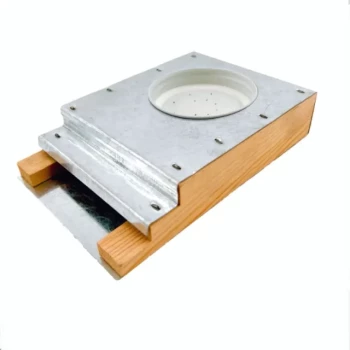
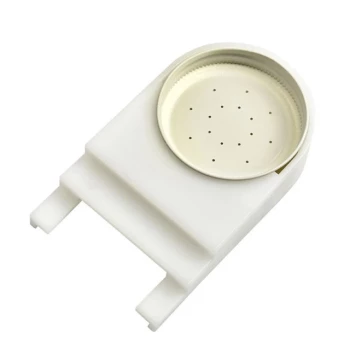
To make the correct choice for your apiary, you must evaluate two primary performance metrics: the capacity of the feeder and the intended rate of feeding. These two variables define whether a feeder is suitable for rapid weight gain or slow, steady stimulation.
Successful feeding is about timing and volume. Your choice determines if you are simply maintaining a colony or aggressively pushing for rapid buildup and winter preparation.
Evaluating Feeder Performance
Consideration 1: Capacity
The first major consideration is the physical volume the feeder can hold. Capacity determines the frequency of your visits to the apiary.
High-capacity feeders reduce the labor required by the beekeeper, allowing for a significant amount of feed to be supplied in a single fill. Conversely, lower-capacity options, such as single jars, require more frequent attention to ensure the colony does not run dry during critical periods.
Consideration 2: Rate of Feeding
The second consideration is how quickly the bees can access and consume the syrup. The rate of feeding dictates the biological response of the hive.
Some designs allow massive numbers of bees to feed simultaneously, resulting in rapid uptake. This is essential when you need to add winter weight quickly. Other designs restrict access, forcing a slower intake that mimics a natural nectar flow, which is often used to stimulate brood rearing without backfilling the brood nest.
Linking Design to Function
Different feeder styles offer different balances of these two factors.
Top feeders generally offer high capacity and high feed rates, sitting directly over the cluster. Front feeders (often using inverted jars) typically offer lower capacity but allow you to monitor consumption rates without opening the hive.
Critical Operational Risks
While capacity and rate are the main selection criteria, you must also be aware of the operational risks inherent in specific designs.
The Danger of Leaking
A primary concern when using any feeder is the integrity of the seal. Leaking sugar water is a beacon for trouble.
leaks can trigger "robbing behavior," where stronger neighboring colonies attack the fed hive to steal the syrup. This can quickly lead to the destruction of a weaker colony.
Minimizing Bee Drowning
The second major safety concern is the risk of drowning. A feeder must prevent bees from accessing open pools of liquid.
Bees can easily become trapped in syrup and drown if the design lacks proper traction or barriers. Inverted jar feeders are generally considered safer in this regard because the vacuum seal prevents bees from entering the container itself.
Making the Right Choice for Your Goal
To select the best feeder, align the equipment's characteristics with your current management objective.
- If your primary focus is rapid weight gain: Prioritize a high-capacity feeder with a fast feed rate to pack on stores quickly for winter.
- If your primary focus is safety and monitoring: Choose a jar-style or front feeder that minimizes drowning risks and allows visual checks without hive disruption.
The best feeder is simply the one that delivers the right amount of food at the right speed for the season.
Summary Table:
| Consideration | Impact on Management | Ideal Use Case |
|---|---|---|
| Capacity | Determines labor frequency & refill intervals. | Commercial apiaries and remote locations. |
| Rate of Feeding | Controls biological response (stimulation vs. storage). | Rapid winter prep or spring brood buildup. |
| Operational Risk | Prevention of robbing behavior and bee drowning. | Maintaining hive safety and colony strength. |
Scale Your Apiary Efficiency with HONESTBEE
Are you looking to optimize your commercial operations? HONESTBEE specializes in supporting commercial apiaries and distributors with high-performance beekeeping solutions. From high-capacity feeders and specialized hive-making machinery to honey-filling systems, we provide the full spectrum of professional tools and consumables required to scale your business.
Partner with HONESTBEE for:
- Wholesale Efficiency: Access bulk supplies of durable feeders and essential consumables.
- Industrial Precision: Enhance your output with our specialized beekeeping machinery.
- Expert Support: Benefit from our comprehensive portfolio designed for industry growth.
Contact HONESTBEE Today to Discuss Your Wholesale Needs
Related Products
- Rapid Bee Feeder White Plastic 2L Round Top Feeder for 8 or 10-Frame Bee Hives
- HONESTBEE Entrance Bee Feeder Professional Hive Nutrition Solution for Beekeeping
- White Plastic 0.5L Beekeeping Entrance Feeder for Bees
- HONESTBEE Entrance Bee Feeder Efficient Hive Front Liquid Feeding Solution for Beekeeping
- HONESTBEE Professional Entrance Bee Feeder Hive Nutrition Solution
People Also Ask
- What should be done with feeders and equipment after feeding bees? Essential Steps for Apiary Health
- What should be done if feed in a feeder is not consumed by the bees? Prevent Hive Mold with Prompt Feed Management
- What is the necessity of specialized internal or entrance feeders? Secure Your Hive with Professional Feeding Tools
- How do bee feeders work to preserve colony health during nectar shortages? Essential Guide for Beekeepers
- How quickly does a medium to strong colony usually empty a feeder? A Beekeeper's Guide to Hive Health