A strong honey bee colony typically produces 40 to 70 pounds or more of surplus honey per season, provided forage, weather, colony health, and management conditions are favorable. Exceptional colonies may reach 60 to 80 pounds or more, while average rural operations may report approximately 30 kilograms per keeper per season. For commercial apiaries, honey extraction and filling machines turn that variable biological output into a faster, cleaner, and more consistent production workflow.
The key point: Honey yield depends on the colony and its environment, but commercial profitability depends heavily on what happens after harvest. High-capacity extractors and precision filling machines help apiaries process, package, and distribute honey at volumes that manual labor cannot handle efficiently.
What Honey Yield Can a Strong Colony Deliver?
A Practical Seasonal Range
A reasonable planning expectation for a strong colony is 40 to 70 pounds of surplus honey per season. This refers to honey available for harvest after the colony's own food requirements are considered.
Yields above this range are possible in especially favorable conditions. Some healthy colonies can produce 60 to 80 pounds or more, but these figures should be treated as strong-season or exceptional results rather than guaranteed baselines.
Why Yield Varies
Honey production depends on several interacting factors:
- Colony strength: Larger, healthier populations can forage and process nectar more effectively.
- Local forage: Abundant flowering plants provide more nectar during the season.
- Weather: Temperature, rainfall, wind, and bloom timing directly affect foraging activity.
- Season length: Longer productive periods generally provide more opportunities to gather nectar.
- Beekeeper management: Hive condition, swarm control, and harvest timing influence surplus production.
This variability matters for distributors and commercial buyers because equipment capacity should be based on peak and expected seasonal throughput, not only on an average colony estimate.
Understanding the 30-Kilogram Figure
A reported yield of approximately 30 kilograms per keeper per season is broadly comparable to about 66 pounds, but it describes output per beekeeper or operation rather than clearly defining output per colony.
For equipment planning, buyers should distinguish between yield per colony, total apiary production, and the volume processed during the busiest harvest period.
Why Manual Honey Processing Becomes a Constraint
Extraction Requires Repetitive Labor
Harvesting honey involves uncapping combs, removing honey from the comb, filtering or settling the liquid, and transferring it into storage or packaging containers.
For a small apiary, manual tools may be adequate. As colony numbers and wholesale orders increase, however, labor becomes a bottleneck that slows production and raises handling costs.
Harvest Volume Arrives in Peaks
Honey is not always harvested at a steady rate throughout the year. Commercial apiaries often handle concentrated volumes during peak nectar flows.
Processing equipment must therefore support rapid throughput during these periods, when delays can affect delivery schedules, storage capacity, and customer fulfillment.
Packaging Must Match Market Requirements
Wholesale customers may require bulk containers, while retailers and food manufacturers may need standardized packaged units.
A scalable operation must be able to move honey efficiently from extraction and storage into the appropriate container formats without creating unnecessary handling steps.
How Honey Extraction Machines Improve Throughput
Separating Honey from Comb Efficiently
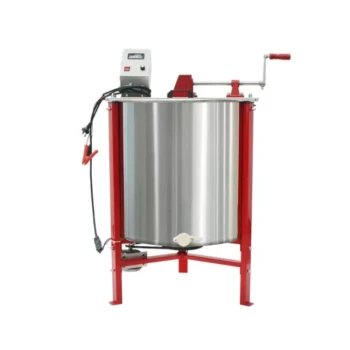
Honey extractors use mechanical action to remove liquid honey from uncapped or opened combs while preserving the comb structure for continued use where appropriate.
This reduces the time required to process each frame and allows operators to handle larger harvest batches than manual methods permit.
Supporting Cleaner Processing
Commercial extraction equipment helps organize the movement of honey from combs into collection and storage stages.
When integrated with suitable uncapping, filtering, settling, and storage equipment, the workflow can reduce unnecessary exposure and handling, supporting more hygienic production.
Reducing Labor Pressure
Motorized or high-capacity extraction systems allow fewer workers to process more honey within the available harvest window.
The benefit is not simply speed. Lower manual handling also helps commercial apiaries use labor more consistently across extraction, quality control, packing, and order fulfillment.
Connecting to Wider Processing Lines
A commercial honey line may include:
- Motorized uncapping equipment
- High-capacity honey extractors
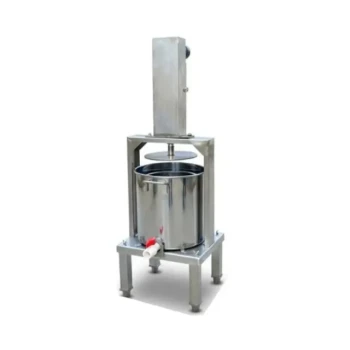
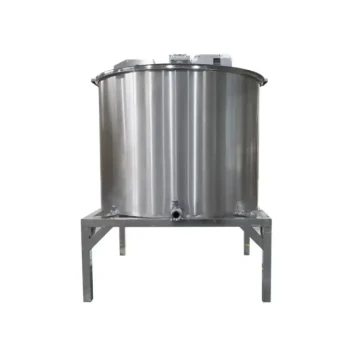
- Filters or settling tanks
- Refining and dehydration equipment where required
- Storage compartments and transfer systems
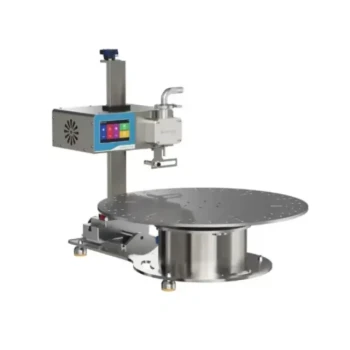
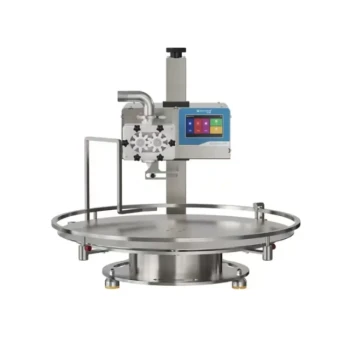
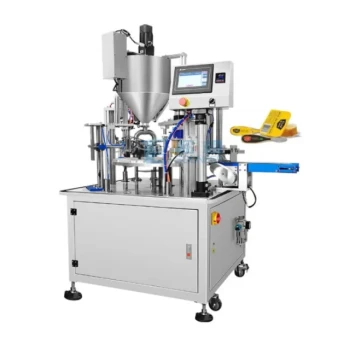
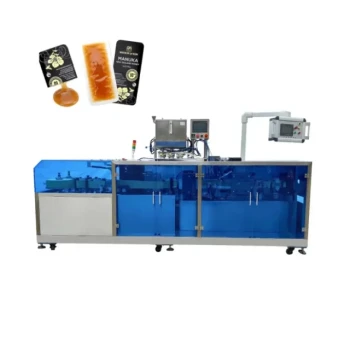
- Precision honey-filling machines
The appropriate configuration depends on the apiary's scale, honey characteristics, packaging formats, and target markets.
How Honey Filling Machines Support Commercial Growth
Delivering Consistent Fill Volumes
Automated filling machines dispense controlled quantities into retail containers or bulk packaging.
Consistent fill levels improve product presentation, reduce variation between units, and support more reliable inventory and order planning.
Increasing Bottling Speed
Filling equipment allows operators to package substantially more product within a given production period than manual filling can typically manage.
This is particularly valuable for wholesalers, distributors, and food manufacturers that require repeatable supply and fast order turnaround.
Supporting Hygienic Handling
Automated filling reduces direct manual contact with the finished honey during packaging.
Combined with appropriate sanitation procedures and food-grade equipment, this supports cleaner processing and helps commercial producers meet applicable quality and regulatory requirements.
Improving Order Fulfillment
A predictable filling workflow makes it easier to prepare standardized stock for retail, wholesale, bakery, and food manufacturing customers.
For distributors and resellers, this translates into more dependable availability across different container sizes and customer specifications.
Why Extraction and Filling Work Best Together
Removing the Processing Bottleneck
Extraction equipment addresses the first major constraint: getting honey out of the comb efficiently.
Filling equipment addresses the next constraint: transferring the processed honey into consistent, market-ready packaging. Using only one of these systems can leave the other stage limiting total output.
Creating a More Organized Workflow
A coordinated line can move honey through uncapping, extraction, filtering or settling, storage, and filling with fewer unnecessary transfers.
This makes production easier to monitor and helps operators plan capacity around seasonal harvest peaks.
Supporting Multiple Commercial Channels
The same operation may serve retail customers, bulk buyers, bakeries, and food manufacturers.
A flexible combination of extraction and filling equipment allows the apiary to process bulk honey efficiently while also preparing standardized units for different distribution channels.
Understanding the Trade-offs
Higher Investment
Industrial extractors and automated fillers require more capital than manual equipment.
The investment is easier to justify when an operation has sufficient colony numbers, predictable harvest volumes, recurring wholesale demand, or a clear growth plan.
Capacity Must Match Real Output
Oversized machinery can leave capital underused, while undersized equipment can recreate the bottlenecks the investment was intended to solve.
Buyers should assess expected seasonal yield, peak harvest volume, container formats, available labor, and future expansion before selecting equipment capacity.
Automation Does Not Replace Quality Control
Machines improve consistency and throughput, but they do not eliminate the need for proper sanitation, moisture control, filtration, storage management, and batch inspection.
Honey refining and dehydration may also be necessary when the raw product requires impurity removal or tighter moisture control to reduce the risk of fermentation or spoilage.
Integration Affects Results
An extractor and filler should fit the rest of the processing line, including tanks, pumps, filters, containers, and cleaning procedures.
Equipment compatibility, operator training, maintenance support, and spare-parts availability are important commercial considerations alongside machine speed.
Making the Right Choice for Your Goal
The best equipment decision begins with the operation's expected yield, peak processing demand, packaging requirements, and distribution model.
- If your primary focus is maximizing apiary throughput: Choose extraction equipment sized for peak seasonal harvests, with a workflow that minimizes manual transfers between comb, storage, and packaging.
- If your primary focus is retail consistency: Prioritize a precision filling machine that supports accurate, repeatable volumes across your required container formats.
- If your primary focus is hygiene and quality control: Build a coordinated line incorporating food-grade extraction, filtration or settling, storage, filling, and appropriate moisture-control processes.
- If your primary focus is wholesale distribution: Select scalable equipment that can process bulk honey efficiently while supporting standardized packaging and dependable order fulfillment.
- If your primary focus is equipment resale or apiary expansion: Offer a full processing solution, including extractors, uncapping tools, storage systems, and filling machinery matched to different production scales.
A strong colony determines how much honey is available, but the right processing system determines how efficiently that harvest becomes a consistent commercial product.
Summary Table:
| Aspect | Details |
|---|---|
| Expected Honey Yield | 40-70 lbs per strong colony per season; exceptional up to 80 lbs or more |
| Factors Affecting Yield | Colony strength, forage, weather, season length, management |
| Extraction Machines | Mechanically separate honey from combs, increasing throughput |
| Filling Machines | Ensure consistent fill volumes, speed up packaging, hygienic handling |
| Key Benefits | Faster processing, labor reduction, hygienic handling, consistent quality |
| Considerations | Investment cost, capacity matching, integration with existing line |
Ready to scale your honey production? HONESTBEE provides comprehensive honey processing solutions—from high-capacity extractors to precision fillers—tailored for commercial apiaries and distributors. Our full-spectrum portfolio, rapid response, and dedicated support ensure you maximize efficiency and meet market demand. Contact us today to build your optimal processing line and boost your profitability. Get in touch now!
Related Products
- Precision Durable Efficient HONESTBEE Rotary Honey Filling Machine
- Commercial Rotary Honey Filling Machine for Production
- Automatic Honey Filling and Filtering Machine for Beekeeping Bottle Filling
- Economy Small Honey Filling Machine Honey Bottle Filler Packaging Machine
- Fully Automatic Honey Filling Packaging Machine for Processing Line
People Also Ask
- What is a key feature of the new generation of the honey filling machine? The Advanced Electronic Control Unit
- What quality control role does professional honey filling equipment perform? Ensure Consistency and Product Stability
- How do honey filling machines work? Achieve Precision & Speed for Your Apiary
- How do honey filling and processing machines aid native bee product conservation? Boost Value with HONESTBEE Technology
- What are the common types of bottling machines used for honey? Choosing the Right Solution for Your Apiary