The three most reliable methods for melting beeswax are using a double boiler, a crock pot (slow cooker), or a solar melter. While the equipment varies, all three techniques rely on gentle, indirect heat to safely transition the wax from solid to liquid without degrading its quality.
Core Takeaway Beeswax is a sensitive organic material with a relatively low melting point of approximately 147°F. The critical success factor across all methods is avoiding direct flames and high temperatures, which can darken the wax, destroy its natural aroma, and create significant fire hazards.
Method 1: The Double Boiler System
Utilizing Indirect Heat
This is arguably the most common method for small-scale projects. It involves placing a container of wax inside a larger pot of boiling water.
Why It Works
The water acts as a buffer between the heat source and the wax. Because water boils at 212°F, it naturally caps the temperature, preventing the wax from rapidly overheating or scorching.
Operational Safety
Never melt beeswax directly over an open flame or electric burner without this water barrier. Direct contact creates hot spots that can easily reach the wax's flashpoint (around 400°F), leading to ignition.
Method 2: The Crock Pot (Slow Cooker)
Controlled, Low-Temperature Melting
A crock pot is an excellent tool for maintaining a consistent, low temperature over a long period. By setting the device to "low," you provide the gentle heat necessary to melt the wax slowly.
Ideal for Larger Batches
Unlike the double boiler, which is limited by pot size, a slow cooker can generally handle larger volumes of wax. It is particularly useful when you need to keep wax liquid while working on a long project, such as dipping candles.
Equipment Dedication
Beeswax is notoriously difficult to remove once it hardens. If you choose this method, you must designate the crock pot solely for wax work; it should not be used for food preparation afterward.
Method 3: Solar Melting
Harnessing Passive Energy
Solar melters utilize the sun’s energy to heat the wax, typically within a glass-covered box. This method is often used for rendering raw wax because it separates debris from the wax effectively.
The Gentle Approach
This is the most natural method and eliminates the cost of electricity. However, it is weather-dependent and generally slower than active heating methods.
Understanding the Trade-offs and Safety
The Danger of Microwaves
You should avoid using a microwave to melt beeswax. Microwaves heat unevenly and offer poor temperature control, creating a high risk of overheating, messy explosions, and potential fires.
Temperature Thresholds
Vigilance is required to keep the wax near its melting point of 147°F. If the temperature climbs too high, the wax will darken in color and lose its prized honey scent.
Water and Wax Reactivity
Never add water to a pot of already melted wax that is currently being heated. This can cause a violent reaction where the hot wax erupts from the container, posing a severe burn risk.
Handling Solid Blocks
Large blocks of wax take a long time to melt. To speed up the process without raising the heat, break cold wax into smaller pieces with a hammer before melting; wax becomes brittle when cold, making this easier.
Making the Right Choice for Your Goal
Selecting the right method depends largely on your volume and your specific project needs.
- If your primary focus is safety and control for small batches: Use the double boiler method to ensure the wax never exceeds the temperature of boiling water.
- If your primary focus is convenience for large batches: Use a crock pot set to low, provided you can dedicate the appliance permanently to wax.
- If your primary focus is energy efficiency or clarifying raw wax: Use a solar melter to slowly process the wax using the sun's natural heat.
Treat beeswax with patience; low and slow is always superior to fast and hot.
Summary Table:
| Method | Best For | Main Benefit | Critical Safety Tip |
|---|---|---|---|
| Double Boiler | Small batches & precision | Natural temperature cap (212°F) | Never use over a direct open flame. |
| Crock Pot | Large volumes & dipping | Consistent, low heat over time | Designate for wax only; no food use. |
| Solar Melter | Rendering raw wax | Zero energy cost & eco-friendly | Slower and dependent on sunny weather. |
Scale Your Apiary Operations with HONESTBEE
Efficient wax processing is just the beginning of a successful production line. At HONESTBEE, we specialize in empowering commercial apiaries and distributors with high-performance wholesale solutions.
Whether you need specialized hardware like hive-making and honey-filling machines, or a steady supply of professional beekeeping tools and industry consumables, we have you covered. Our comprehensive portfolio even includes honey-themed cultural merchandise to help you diversify your offerings.
Ready to upgrade your professional equipment or expand your inventory?
Contact us today to explore our wholesale catalog and see how HONESTBEE can bring unmatched value to your beekeeping business.
Related Products
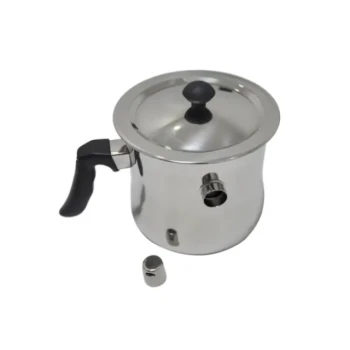
- Beeswax Melter for Candle Making Honey Bee Wax Melter
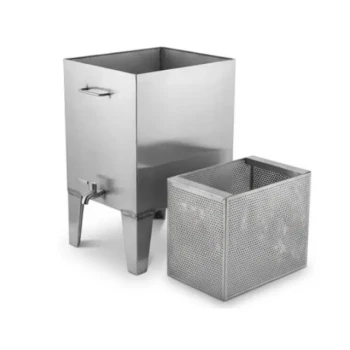
- Steam Beeswax Melter Wax Warmer for Wax Processing
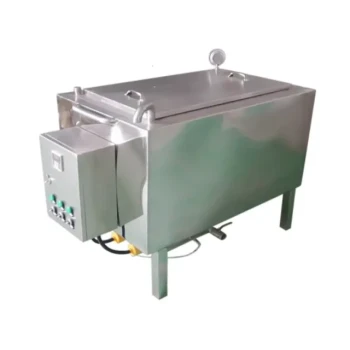
- Electric Commercial Beeswax Melter for Factory Use
- Solar Beeswax Melter Easy Solar Wax Melter for Beeswax
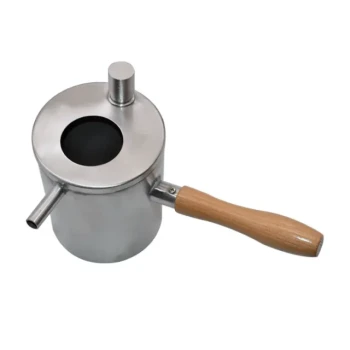
- Professional Stainless Steel Wax Melter for Beekeeping and Crafts
People Also Ask
- What is the best way to melt beeswax? Safely Preserve Quality with Indirect Heat
- What is the best way to melt beeswax? Use a Solar Wax Melter for Simple, Pure Results
- What types of beeswax melters are available for beekeepers? Choose the Right One for Your Operation
- What safety precautions should be taken when melting beeswax? A Guide to Flammable Wax Handling
- What types of beeswax melters are available for different scales of beekeeping? Solar vs. Electric Melters Compared