Beekeeping offers commercial potential far beyond honey production. A fully utilized apiary can generate significant revenue through beeswax for household goods, bee pollen for nutritional supplements, propolis for wellness applications, and the sale of live stock including queen bees and starter colonies.
Core Insight: A resilient apiary business rarely relies on a single product. By harvesting secondary hive products like propolis and wax, or managing livestock sales, producers can tap into diverse markets ranging from skincare and cosmetics to agricultural supply.
Expanding Your Product Portfolio
The Utility of Beeswax
Beeswax is a versatile byproduct that serves as a foundation for various value-added goods. Beekeepers can collect and process raw wax to create consumer products.
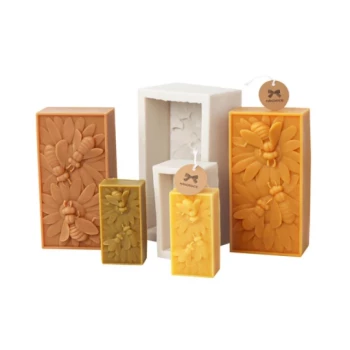
Common commercial applications include candles and soaps, which leverage the natural properties of the wax.
Additionally, processed beeswax is frequently used as a base for industrial or household lubricants.
The Nutritional Value of Bee Pollen
Bee pollen represents a direct dietary harvest from the hive. It is collected and sold primarily as a dietary supplement.
The commercial value of pollen lies in its nutrient density. It is marketed for its high mineral and antioxidant content, appealing to health-conscious consumers.
Propolis and Wellness Applications
Propolis is a resinous substance bees create to disinfect their hive. This natural function translates directly into its commercial appeal.
Because of its protective properties, propolis is harvested and sold for use in skincare products.
It is also widely marketed in the health sector for immune-system support, capitalizing on its biological role as a hive sterilizer.
The Market for Live Bees
Beyond physical substances, the bees themselves are a marketable commodity. Beekeepers can generate income by breeding and selling queen bees to other apiarists.
There is also a market for starter colonies (often called "nucs" or packages), allowing operations to supply the foundational stock for new or expanding beekeepers.
Understanding the Operational Distinctions
Processing vs. Breeding
Diversifying into these products requires recognizing the different operational demands they place on the beekeeper.
Products like beeswax and propolis are material goods that require processing or refinement before they are ready for sale in candles or skincare.
In contrast, selling queen bees and starter colonies moves the operation into livestock management. This shifts the focus from harvesting a static product to managing the health and genetics of living organisms for sale.
Making the Right Choice for Your Goal
Selecting the right mix of products depends on your target market and processing capabilities.
- If your primary focus is the Health and Wellness Market: Prioritize harvesting bee pollen and propolis to leverage their reputation for antioxidant and immune-support benefits.
- If your primary focus is Artisan Goods: Focus on processing beeswax to create shelf-stable consumer items like candles, soaps, and lubricants.
- If your primary focus is Agricultural Supply: Direct your efforts toward breeding and selling queen bees and starter colonies to support other beekeepers.
Diversification allows you to extract maximum value from every aspect of the hive's lifecycle.
Summary Table:
| Product Category | Primary Uses & Applications | Commercial Value | Target Market |
|---|---|---|---|
| Beeswax | Candles, soaps, and household lubricants | High-value artisan raw material | Artisan & Home Goods |
| Bee Pollen | Nutritional supplements and food additives | High mineral & antioxidant content | Health & Wellness |
| Propolis | Skincare ingredients and immune support | Natural disinfectant properties | Pharmaceutical & Beauty |
| Live Stock | Queen bees and starter colonies (nucs) | Foundational agricultural stock | Commercial Apiaries |
Scale Your Commercial Apiary with HONESTBEE
Maximize your honey and byproduct yields with professional-grade infrastructure. At HONESTBEE, we empower commercial apiaries and distributors by providing the full spectrum of industry-leading beekeeping tools, specialized honey-filling machinery, and essential consumables.
Whether you are expanding into live stock sales or industrial-scale wax processing, our comprehensive wholesale offering is designed to increase your operational efficiency and market reach. From high-capacity hive-making hardware to unique honey-themed cultural merchandise, we deliver the value and reliability your business demands.
Ready to upgrade your production capabilities?
Contact our expert team today to discuss your wholesale needs
Related Products
- Bee Floral Relief Silicone Mold for Artisan Soap Candle Making
- Stainless Steel Honey Bee Smoker Hive and Honeycomb Smoker for Beekeeping
- Premium Traditional Copper Bee Smoker with Bellows
- Plastic Bee Pollen Trap Strips Comb Catcher Collector
- Assembled Wooden Bee Frames with Plastic Foundation for Durability and Convenience by HONESTBEE
People Also Ask
- Is spray release necessary when using silicone molds for candle making? Master the Art of Flawless Demolding
- How do you secure a silicone mold for candle making? Prevent Leaks and Achieve Perfect Candles
- Why are silicone molds preferred over tin or plastic molds for beeswax candles? Boost Efficiency & Quality
- What are the advantages of silicone molds for queen cell cups? Upgrade Your Queen Rearing Precision
- How do you remove a finished candle from the mold? Master the Art of Flawless Demolding