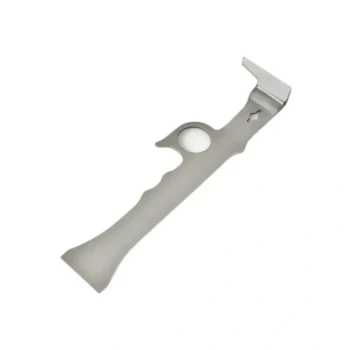
Specialized wood wedges serve as essential precision instruments for maintaining the structural integrity of the hive during invasive field operations. Their primary function is to provide controlled physical support and guidance when a beekeeper needs to split large logs or detach hive cover plates, ensuring these components separate cleanly without compromising the main colony housing.
By working in conjunction with striking tools to generate uniform tension along the wood grain, specialized wedges allow for the separation of hive components without damaging the main structure or the associated hardware.
The Mechanics of Controlled Separation
Generating Uniform Tension
When utilized with heavy striking tools, wood wedges act as force distributors. Rather than applying a shocking, destructive force to a single point, the wedge converts impact into uniform tension that travels along the wood grain.
Preventing Structural Damage
The primary objective during field maintenance is to access the colony without destroying the habitat. Wedges ensure that side plates or log sections are separated gently. This specific application prevents cracking or splintering of the main structure, preserving the hive for future use.
Protecting Hive Hardware
Beyond the wood itself, using wedges safeguards the metal or wooden hardware holding the hive together. By easing components apart through tension rather than brute force, the integrity of fasteners and joints is maintained.
Operational Context and Efficiency
Facilitating Routine Maintenance
While specialized machinery like hydraulic loaders handle the transport of hives, wood wedges are the tool of choice for hands-on manipulation. They are critical during moments of direct hive intervention, such as opening a hive that has been sealed by propolis or weather warping.
Standardizing Manual Operations
In the context of professional apiaries, consistency is key. Using wedges standardizes the method of opening hives, reducing the variable of human error that often leads to equipment breakage during routine inspections or harvesting.
Understanding the Trade-offs
Manual Labor vs. Automation
While specialized machinery exists for moving hives (e.g., forklifts for migratory beekeeping), the use of wedges is inherently a manual, labor-intensive process. It requires physical effort and precise placement, unlike the automated efficiency found in hive transport.
Skill Requirement
Effective use requires an understanding of wood grain and tension. Improper placement of a wedge, even with the right intent, can fail to generate the necessary uniform tension, potentially leading to the very damage the tool is designed to prevent.
Making the Right Choice for Your Goal
To maximize the longevity of your apiary equipment, consider how you apply force during maintenance.
- If your primary focus is Equipment Longevity: Prioritize the use of wood wedges to prevent structural cracks when opening weather-sealed hives or splitting logs.
- If your primary focus is Operational Efficiency: distinct from the manual use of wedges, invest in hydraulic handling equipment to manage the physical movement of hives, reserving wedges strictly for internal hive manipulation.
Mastering the use of tension through wood wedges is the defining factor between destructive entry and sustainable hive management.
Summary Table:
| Feature | Function in Tree Beekeeping | Primary Benefit |
|---|---|---|
| Force Distribution | Converts impact into uniform tension along grain | Prevents wood cracking and splintering |
| Structural Support | Guides the separation of logs and cover plates | Maintains hive housing integrity |
| Hardware Protection | Eases components apart without brute force | Preserves fasteners and joints |
| Maintenance Tool | Manually opens propolis-sealed or warped hives | Standardizes hive entry procedures |
Elevate Your Beekeeping Operations with HONESTBEE
At HONESTBEE, we understand that professional beekeeping requires a blend of traditional precision and modern efficiency. Whether you are managing a commercial apiary or distributing high-quality supplies, our comprehensive range of products supports every stage of your workflow:
- Precision Tools: From specialized hand tools for manual hive manipulation to durable consumables.
- Advanced Machinery: Scale your production with our professional hive-making and honey-filling machines.
- Wholesale Solutions: We provide distributors and large-scale operators with the full spectrum of beekeeping hardware and honey-themed merchandise.
Ready to optimize your apiary’s performance and equipment longevity?
Contact HONESTBEE Today to explore our wholesale offerings and discover how our expert-grade tools can enhance your business.
References
- Karolina Echaust. WSPÓŁCZESNE TRADYCJE BARTNICZE W ŚWIETLE KONWENCJI UNESCO W SPRAWIE OCHRONY NIEMATERIALNEGO DZIEDZICTWA KULTUROWEGO. DOI: 10.31648/hip.7467
This article is also based on technical information from HonestBee Knowledge Base .
Related Products
- Wholesales Dadant Size Wooden Bee Hives for Beekeeping
- Wooden Bee Hive Frames for Beekeeping and Wholesale
- Yellow Plastic Bucket Pail Perch for Beekeeping
- HONESTBEE Advanced Ergonomic Stainless Steel Hive Tool for Beekeeping
- HONESTBEE Professional Mini J-Hook Hive Tool for Beekeeping
People Also Ask
- What are the strategic benefits of installing beekeeping hives at an elevation of 1 to 6 meters? Protect Your Assets
- What are the key advantages of modern improved beekeeping hives? Scale Your Honey Yield and Production Efficiency
- What is the proper way to store unused bee hives? Expert Stacking Tips for Equipment Longevity
- What are the 2 types of bee hives? Langstroth vs. Top-Bar for Your Apiary
- How does the design of improved beekeeping hives contribute to maintaining honey quality and purity? Enhancing Purity