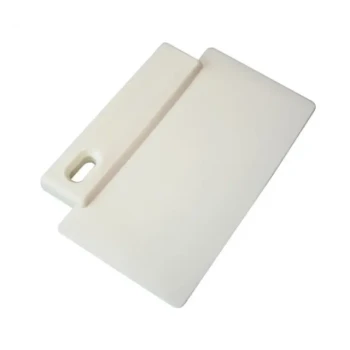
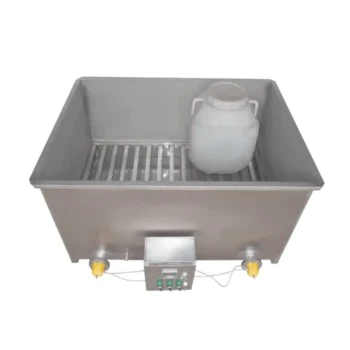
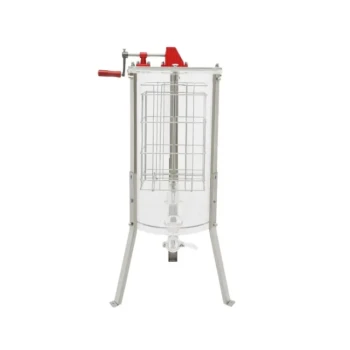
To maintain a hygienic and compliant honey processing operation, the necessary cleaning equipment is relatively specialized but fundamental to food safety. You specifically require durable cleaning brushes designed to scrub distinct components like filters, strainers, and pumps, as well as distinct food-safe sanitizing solutions to manage microbial risks.
Core Takeaway Honey processing requires a dual-approach to hygiene: mechanical removal of viscous buildup and chemical sterilization. Your primary assets for this are specialized scrubbing tools for hardware maintenance and strict adherence to food-safe sanitization protocols to prevent product contamination.
The Essentials of Mechanical Cleaning
Scrubbing Filters and Strainers
Honey is naturally viscous and sticky, leading to rapid buildup on filtration surfaces. Cleaning brushes are essential for manually removing this residue from filters and strainers. Regular scrubbing prevents blockages that can impede the flow of honey and ensures the physical filtration process remains efficient at removing suspended particles.
Maintenance of Pumps and Pipes
Pumps are critical critical risk nodes where honey can stagnate and crystallize. You must use brushes capable of reaching into pump mechanisms to dislodge sticky accumulation. Failure to mechanically clean these components can lead to equipment seizure or the introduction of crystallized particulates into fresh batches.
Chemical Sanitation and Hygiene
Food-Safe Sanitizing Solutions
While brushes remove physical debris, they do not kill microorganisms. Food-safe sanitizing solutions are necessary to wash all equipment surfaces after mechanical cleaning. This step is vital for neutralizing potential contaminants that could spoil the honey or pose health risks.
Meeting HACCP Standards
For commercial operations, cleaning protocols must align with Hazard Analysis and Critical Control Points (HACCP). The application of sanitizing agents is the primary method for sterilizing industrial extraction and bottling machinery. This ensures that external impurities and microorganisms are eliminated before the honey enters the final packaging phase.
Understanding the Trade-offs
Manual Cleaning vs. Contamination Risk
While brushes are effective for targeted cleaning, manual handling always introduces a risk of secondary contamination. Heavily relying on manual scrubbing requires rigorous discipline to ensure the cleaning tools themselves do not become vectors for bacteria. Industrial-grade, automated equipment can reduce this risk by minimizing human contact, but even these systems require manual oversight and sanitization.
Material Compatibility
Cleaning agents must be compatible with your processing equipment. Quality honey processing gear is typically made of corrosion-free materials to withstand moisture and acidity. Using harsh, non-food-safe chemicals can damage these surfaces, leading to equipment degradation and potential chemical leaching into the honey.
Making the Right Choice for Your Goal
Whether you are running a boutique apiary or a large-scale commercial line, your cleaning protocols define your product quality.
- If your primary focus is artisanal quality: Prioritize high-quality brushes to manually ensure your filters and strainers are free of debris without damaging the delicate mesh.
- If your primary focus is commercial scalability: Invest heavily in food-safe sanitizing protocols to ensure your extraction and bottling machinery meets strict HACCP safety standards.
Consistent hygiene is the invisible ingredient that preserves the purity and value of your honey.
Summary Table:
| Equipment Type | Key Cleaning Purpose | Impact on Production |
|---|---|---|
| Scrubbing Brushes | Removes sticky residue from filters and strainers | Prevents blockages and ensures flow efficiency |
| Internal Brushes | Dislodges crystallized honey in pumps and pipes | Prevents equipment seizure and particulate contamination |
| Food-Safe Sanitizers | Neutralizes microorganisms on all contact surfaces | Ensures food safety and long-term shelf stability |
| Automated CIP Systems | Comprehensive cleaning of large-scale machinery | Minimizes human error and secondary contamination risk |
Elevate Your Honey Quality with Professional-Grade Solutions
Maintaining a pristine processing environment is critical for commercial success. At HONESTBEE, we understand the unique challenges of the beekeeping industry. Whether you are a large-scale distributor or a commercial apiary, we provide more than just cleaning advice—we supply the full spectrum of beekeeping tools, industrial honey-filling machinery, and essential consumables designed for maximum hygiene and efficiency.
From corrosion-free hardware to specialized honey-themed cultural merchandise, our comprehensive wholesale portfolio is built to scale your business. Contact us today to discuss your equipment needs and discover how our expertise can streamline your production while meeting the highest safety standards.
Related Products
- Electric Double Wall Honey Filtering Machine Purifier Equipment for Honey Processing Plant
- 0.5T Capacity Honey Dehumidifier Dryer with Vacuum Heating and Thickening Filtering Machine
- Professional Wide Blade Honey Scraper for Beekeeping and Honey Processing
- High Quality Honey Dehumidifier Dryer Thickening Machine for Beekeeping
- Heavy Duty Stainless Steel Honey Processing Machine Decrystallizing Tank
People Also Ask
- What is the process of filtering honey? A Guide to Clean, Pure, and Market-Ready Honey
- What types of equipment are used in honey filtering? Build an Efficient System for Pure, Marketable Honey
- What is the overall importance of using the right equipment in honey filtering? Boost Quality & Marketability
- What are the benefits of drying honey filtering equipment after use? Protect Your Honey Quality & Equipment Investment
- Why is filtering important in honey processing, and what equipment is used? A Guide to Quality & Efficiency