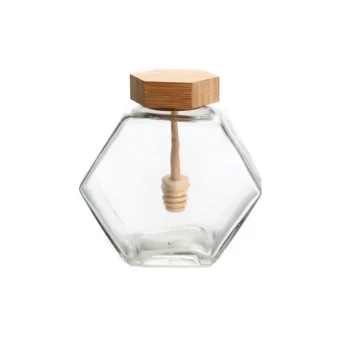
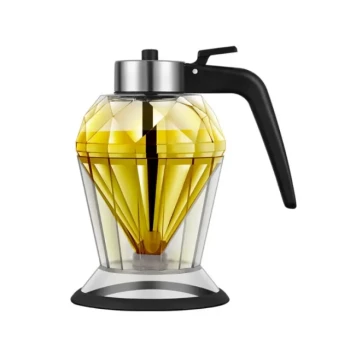
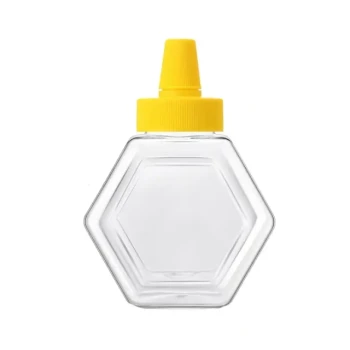
Glass bottles function as a high-performance barrier system that actively preserves honey’s chemical stability and sensory profile. Specifically, they provide an impermeable shield against oxygen and moisture while preventing the migration of chemical contaminants, effectively locking in volatile aromas and extending the product's shelf life.
Core Insight Honey is a chemically complex, hygroscopic substance that degrades quickly when exposed to air or humidity. Glass packaging is not merely a container; it is a critical preservation tool that creates an inert environment, halting fermentation and oxidation to maintain the honey's authentic flavor and crystalline structure over long periods.
Preserving Chemical Integrity
Superior Oxygen Barrier
Glass creates a near-perfect seal against the external environment. Its high density prevents oxygen permeation, which is the primary cause of oxidative degradation in food products. By blocking oxygen entry, glass prevents the breakdown of enzymes and nutrients that give honey its health benefits.
Retention of Volatile Aromas
The specific flavor profile of honey relies on delicate, volatile organic compounds. Glass’s excellent barrier properties ensure these aromatic compounds are not lost to the atmosphere. Simultaneously, it blocks the intrusion of external environmental odors that could taint the honey's flavor.
Chemical Stability and Inertness
Unlike some plastics, glass is chemically inert and non-porous. It ensures zero migration of plasticizers or other contaminants into the food product. This guarantees that the honey retains its original chemical composition without distinct aftertastes or safety risks.
Managing Moisture and Texture
Combating Hygroscopy
Honey is highly hygroscopic, meaning it naturally attracts and absorbs moisture from the surrounding air. If the water content in honey rises above a certain threshold (typically 17-18%), naturally occurring yeast can trigger fermentation and spoilage. Airtight glass packaging effectively isolates the honey from ambient humidity, preventing this process.
Stabilizing Crystallization
Glass prevents water evaporation from the honey outward. Maintaining the correct moisture balance is essential for controlling the crystalline texture of the product. By preventing moisture loss, glass helps preserve the honey's intended consistency, whether liquid or creamed.
Visual Verification and Marketability
Transparency for Quality Assessment
High-transparency glass allows for immediate visual inspection. Because glass does not cloud over time, consumers can clearly observe the color and crystallization state of the honey before purchase. This visibility builds consumer trust, as the visual quality of honey is often a proxy for its purity.
Sustainability and Premium Positioning
Glass is infinitely reusable and recyclable, meeting the market demand for sustainable packaging. Furthermore, the weight and clarity of glass provide an elevated sensory experience, positioning the product as a premium offering in a retail environment.
Understanding the Trade-offs
Rigidity vs. Dispensing Convenience
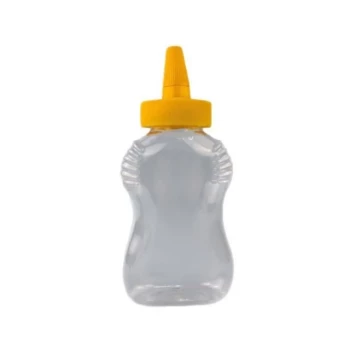
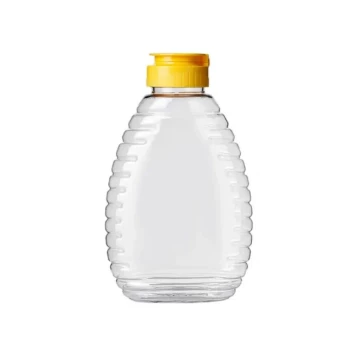
While glass offers superior protection, it lacks the flexibility of plastic. It cannot be squeezed, which may make dispensing high-viscosity honey more difficult for the end-user compared to plastic flip-top designs.
Fragility and Logistics
Glass is significantly heavier and more fragile than alternative materials. This increases shipping costs and the risk of breakage during transport, requiring more robust secondary packaging to ensure the product arrives intact.
Making the Right Choice for Your Goal
To select the best packaging strategy, align the material properties with your specific product objectives:
- If your primary focus is Flavor Preservation: Prioritize glass to eliminate chemical migration and lock in volatile aromatic compounds.
- If your primary focus is Shelf Life Extension: Rely on glass for its superior oxygen and moisture barrier to prevent fermentation and oxidation.
- If your primary focus is Premium Retail: Utilize high-transparency glass to leverage visual appeal and the perception of high quality.
Glass remains the definitive choice for producers who prioritize product integrity and longevity over dispensing convenience.
Summary Table:
| Functional Benefit | Mechanism | Impact on Honey Quality |
|---|---|---|
| Oxygen Barrier | High-density material seal | Prevents oxidation and enzyme degradation |
| Chemical Inertness | Non-porous surface | Zero migration of plasticizers or contaminants |
| Moisture Control | Airtight insulation | Prevents hygroscopic fermentation and spoilage |
| Aroma Retention | Volatile compound locking | Preserves delicate floral scents and flavor profiles |
| Visual Clarity | High transparency | Allows for easy inspection of color and texture |
Elevate Your Honey Brand with HONESTBEE
At HONESTBEE, we understand that high-quality packaging is the final, crucial step in delivering premium honey to the market. As a specialized partner for commercial apiaries and distributors, we provide more than just containers—we offer a comprehensive suite of wholesale beekeeping tools, machinery, and essential consumables designed to protect your harvest.
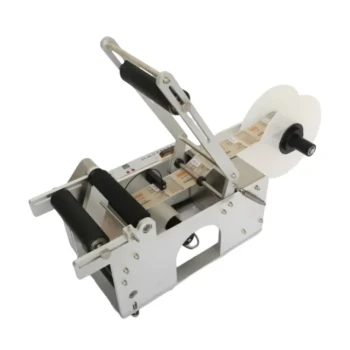
From industrial honey-filling machines to premium glass packaging solutions, our portfolio is built to enhance your operational efficiency and product value. Don't let inferior packaging compromise your brand.
Contact us today to explore our full wholesale range and custom solutions!
References
- Katharina Bissinger, Roland Herrmann. Regional Origin Outperforms All Other Sustainability Characteristics in Consumer Price Premiums for Honey: Empirical Evidence for Germany. DOI: 10.11130/jei.2021.36.1.162
This article is also based on technical information from HonestBee Knowledge Base .
Related Products
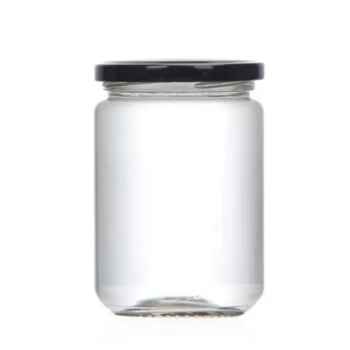
- Classic Round Glass Honey Jar with Lid
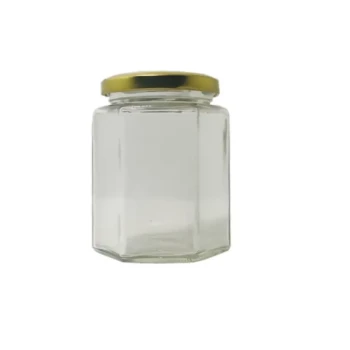
- Hexagonal Glass Honey Jars with Metal Lug Caps Elegant Versatile Packaging
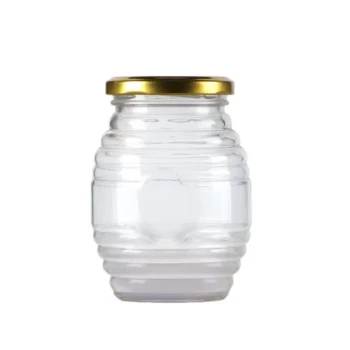
- Classic Glass Honey Jar with Metal Lug Cap for Beehive Storage
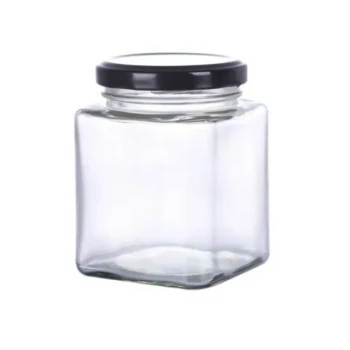
- Modern Square Glass Honey Jar with Twist Off Lid
- Hexagonal Glass Honey Jar with Wooden Lid Integrated Dipper Elegant Functional Storage
People Also Ask
- What is the aesthetic appeal of using glass jars for honey? Elevate Your Brand with Premium Packaging
- What are the advantages of glass containers for honey? Elevate Quality and Market Value with Premium Packaging
- How does the appearance of glass jar packaging affect the sales and perception of honey? Boost Your Premium Brand Value
- Why is a glass jar preferred for packaging honey? Ultimate Protection for Purity & Flavor
- What are the advantages of using high-quality glass containers in the commercial packaging of honey? Boost Premium Value