Industrial honey processing plants function as the critical stabilization and standardization link in the supply chain. They convert raw, variable hive output into shelf-stable commercial products through deep processing techniques. This primarily involves moisture removal to prevent fermentation, multi-stage filtration for clarity, and sterilization to meet international safety standards.
The core value of industrial processing lies in transforming a perishable raw material into a consistent global commodity. By mechanizing extraction and rigorously controlling moisture and purity, these facilities ensure the product meets the strict hygiene and shelf-life requirements of international trade.
The Mechanisms of Deep Processing
Moisture Control and Stabilization
The most critical technical function of an industrial plant is concentration. Raw honey often contains high water content, which acts as a catalyst for yeast growth and fermentation.
Processing plants utilize vacuum dehydration equipment to reduce moisture levels without subjecting the honey to excessive thermal damage. This step stabilizes the product, effectively preventing spoilage and significantly extending shelf life.
Multi-Stage Filtration
Raw honey harvested from the hive contains physical impurities, including beeswax, biological debris, and particulate matter.
Industrial facilities employ high-efficiency filtration systems to remove these elements. This process removes micro-impurities to improve the liquid's visual clarity and texture, ensuring it meets consumer expectations for a clean, uniform product.
Sterilization and Hygiene
To comply with international food safety regulations, plants must eliminate potential pathogens.
Facilities utilize sterilization techniques and controlled heating to ensure biological safety. This creates a hygienic baseline required for retail markets, particularly for products intended for export to regions with stringent import controls.
Upstream and Downstream Integration
Centrifugal Extraction
Before deep processing begins, industrial plants often handle the initial extraction using specialized machinery.
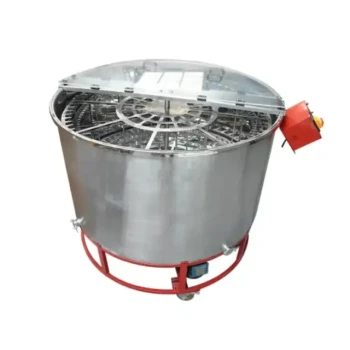
Industrial extractors use centrifugal force to spin honey out of the comb. This method is crucial because it preserves the physical structure of the honeycomb, allowing apiaries to reuse the wax combs and reducing the energy bees must spend rebuilding the hive.
Homogenization and Consistency
Natural honey varies wildly in color, taste, and viscosity depending on the floral source.
Industrial plants use homogenization machines to blend different batches. This ensures sensory consistency—meaning every jar tastes and looks the same—which is a prerequisite for large-scale retail brands.
Automated Packaging and Logistics
The final stage involves preparing the bulk product for the consumer.
Automated filling lines and standardized packaging systems ensure precise weight and sealing. This standardization increases the product's "added value" and ensures the physical packaging is robust enough for global logistics and distribution.
Understanding the Trade-offs
Processing vs. Raw Characteristics
While industrial processing guarantees safety and consistency, it represents a trade-off regarding the honey's raw state.
Deep filtration and sterilization can remove beneficial enzymes or pollen grains found in raw honey. While this improves clarity and prevents crystallization, it alters the biological profile of the honey compared to its unprocessed counterpart.
Making the Right Choice for Your Goal
Whether you are designing a facility or selecting a processing partner, align your choice with your market objectives.
- If your primary focus is International Export: Prioritize facilities with advanced vacuum dehydration and sterilization capabilities to ensure the product remains stable during long shipping durations and meets strict border controls.
- If your primary focus is Commercial Efficiency: Look for plants utilizing high-throughput centrifugal extractors, as this maximizes yield while preserving hive hardware for immediate reuse.
- If your primary focus is Retail Branding: Ensure the facility offers homogenization and precision filtration, as visual clarity and flavor consistency are the primary drivers of consumer shelf purchases.
Industrial processing is the technical bridge that allows a natural, variable substance to meet the rigorous demands of the modern global marketplace.
Summary Table:
| Core Function | Key Technology | Primary Benefit |
|---|---|---|
| Moisture Control | Vacuum Dehydration | Prevents fermentation; extends shelf life |
| Purity & Clarity | Multi-Stage Filtration | Removes impurities; ensures visual appeal |
| Safety & Hygiene | Sterilization Units | Eliminates pathogens; meets export standards |
| Extraction | Centrifugal Extractors | Maximizes yield; preserves combs for reuse |
| Consistency | Homogenization Machines | Standardizes flavor, color, and texture |
| Distribution | Automated Filling Lines | Precision packaging for global logistics |
Elevate Your Honey Production with HONESTBEE
Are you a commercial apiary or a distributor looking to scale your operations? HONESTBEE provides the end-to-end industrial solutions you need to compete in the global marketplace. From high-throughput honey-filling machines and precision centrifugal extractors to advanced hive-making machinery, we supply the full spectrum of hardware and consumables required for professional honey processing.
Partner with us to ensure your honey meets international safety standards while maximizing your commercial efficiency. Contact HONESTBEE today to discuss your equipment needs and see how our wholesale expertise can grow your brand.
References
- Ashok Kumar Ashok Kumar. Value chain finance to develop the honey sub-sector in India. DOI: 10.3362/1755-1986.2008.028
This article is also based on technical information from HonestBee Knowledge Base .
Related Products
- Electric Double Wall Honey Filtering Machine Purifier Equipment for Honey Processing Plant
- HONESTBEE 72 Frame Industrial Electric Honey Extractor for Beekeeping
- Heavy Duty Stainless Steel Honey Processing Machine Decrystallizing Tank
- Double Wall Honey Heating Stirring Homogenizer Mixing Machine with Various Capacity
- Economy Honey Homogenizer Mixer and Melting Machine for Beekeeping
People Also Ask
- What types of equipment are used in honey filtering? Build an Efficient System for Pure, Marketable Honey
- What is the process of filtering honey? A Guide to Clean, Pure, and Market-Ready Honey
- What is the overall importance of using the right equipment in honey filtering? Boost Quality & Marketability
- Why is filtering important in honey processing, and what equipment is used? A Guide to Quality & Efficiency
- What steps are involved in maintaining honey filtering equipment? A Guide to Protecting Your Honey Quality