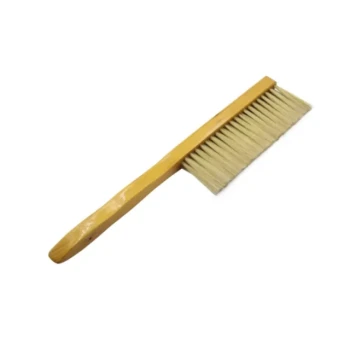
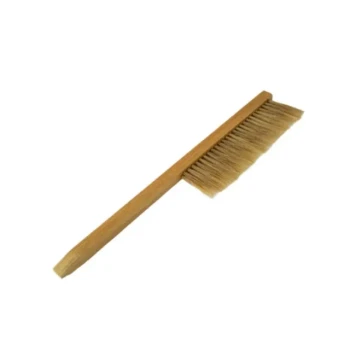
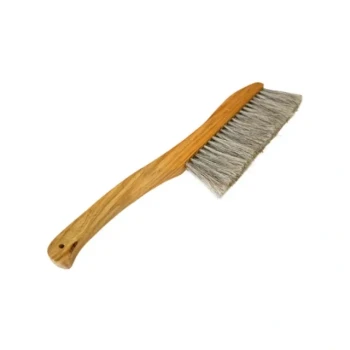
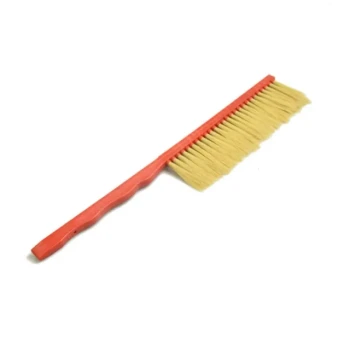
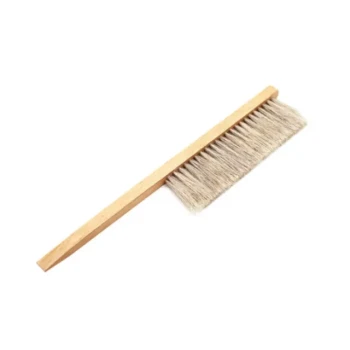
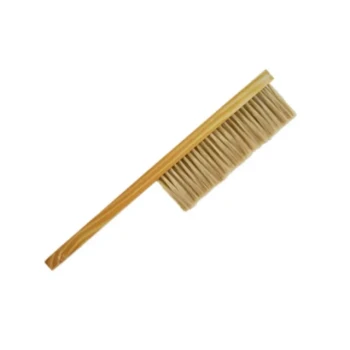
The primary purpose of a bee brush is to gently and safely remove bees from a surface without harming them. Beekeepers use this soft-bristled tool during hive inspections and honey harvesting to carefully move bees off frames, boxes, or their own equipment, ensuring the bees are not injured or crushed in the process.
A bee brush is a fundamental tool for specific beekeeping tasks, but its use must be deliberate and sparing. While effective, the act of brushing is unnatural for bees and can cause agitation, making it a solution that requires careful judgment.
The Primary Role of a Bee Brush
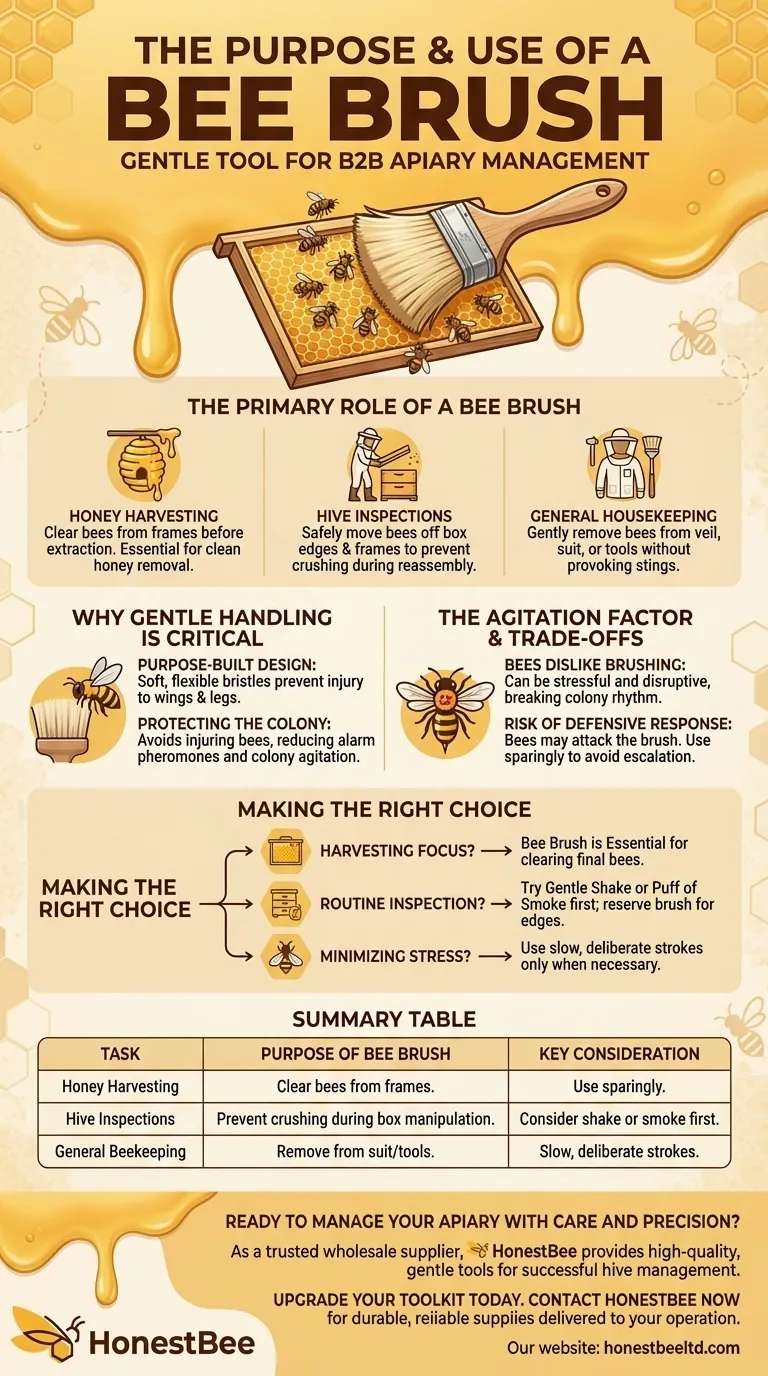
A bee brush serves a few distinct, critical functions in hive management. Its design is entirely focused on moving bees without causing them injury.
During Honey Harvesting
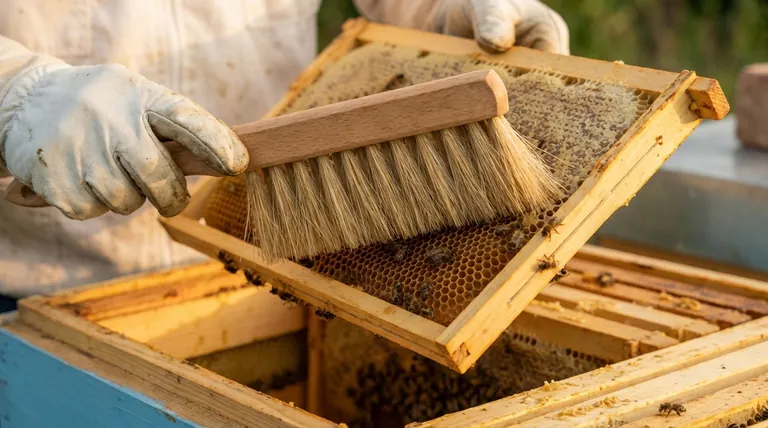
The most common use for a bee brush is to clear bees from frames of honey. Before a frame can be taken from the hive for honey extraction, it must be free of bees. A gentle sweep with the brush encourages them to move back into the hive.
During Hive Inspections
When inspecting a hive, beekeepers need to lift boxes and remove frames. Bees can congregate on the edges of hive boxes or the top bars of frames. The brush is used to gently clear these areas to prevent crushing bees when placing boxes back together.
For General Housekeeping
Bees can sometimes land on your veil, suit, or other tools. The brush provides a safe way to remove them from your personal space without resorting to swatting, which would almost certainly provoke a sting.
Why Gentle Handling is Critical
The construction and use of a bee brush are centered on one principle: protecting the bees. A calm and healthy colony is a productive one.
The Purpose-Built Design
Bee brushes feature very soft, flexible bristles, often made from natural fibers. This ensures that the brushing motion doesn't damage the bees' delicate wings or legs. The goal is to persuade, not to force.
Protecting the Colony
Injuring or killing bees during an inspection is counterproductive. It agitates the colony, releases alarm pheromones that can trigger defensive behavior, and reduces the hive's overall workforce and health.
Understanding the Trade-offs: The Agitation Factor
While useful, a bee brush is not a tool to be used casually or excessively. It is an invasive action that must be performed with care.
Bees Dislike Being Brushed
The simple fact is that bees do not like being brushed. This action can be stressful and disruptive for them, breaking the colony's normal rhythm and focus.
The Risk of a Defensive Response
Because they find it irritating, bees will often become defensive toward the brush itself. It is common for them to turn and try to sting the bristles. This agitation can quickly escalate if the beekeeper is not calm and efficient.
The Importance of Sparsity
For this reason, experienced beekeepers use a bee brush sparingly. Often, a gentle shake of a frame or a light puff of smoke can achieve the same result with less disruption. The brush is reserved for when these other methods are insufficient.
Making the Right Choice for Your Task
Using a bee brush effectively comes down to knowing when it's the best option compared to other techniques.
- If your primary focus is harvesting honey: A bee brush is often essential for clearing the last remaining bees from a frame before you take it away.
- If your primary focus is a routine inspection: Try a gentle shake or a puff of smoke first to clear bees from a frame, reserving the brush for clearing the edges of boxes.
- If your primary focus is minimizing hive stress: Use the brush with slow, deliberate strokes and only when absolutely necessary to avoid agitating the colony.
Ultimately, mastering the bee brush means understanding it as one of several tools for managing your bees with respect and care.
Summary Table:
| Task | Purpose of Bee Brush | Key Consideration |
|---|---|---|
| Honey Harvesting | Gently clear bees from honey frames before extraction. | Use sparingly to avoid agitation. |
| Hive Inspections | Safely remove bees from hive boxes and frame edges to prevent crushing. | A gentle shake or smoke may be less disruptive first. |
| General Beekeeping | Remove bees from your suit, veil, or equipment without provoking a sting. | Always use slow, deliberate strokes. |
Ready to manage your apiary with care and precision?
As a trusted wholesale supplier for commercial apiaries and distributors, HONESTBEE provides the high-quality, gentle tools you need for successful hive management. Our bee brushes are designed with the well-being of your bees in mind, helping you maintain a calm and productive colony.
Upgrade your beekeeping toolkit today. Contact HONESTBEE now for durable, reliable supplies delivered to your operation.
Visual Guide
Related Products
- Wooden Bee Brush with Triple Row Artificial Fiber for Beekeeping
- Classic Wooden Bee Brush with Double-Row Boar Bristles
- Premium Triple-Row Horsehair Bee Brush
- Plastic Handle Single Row Artificial Fiber Bee Brush
- Wooden Bee Brush with Double-Row Horsehair Bristles
People Also Ask
- What is the specific function of a bee brush? Ensure Pure Harvests and Colony Welfare During Honey Extraction
- What are the key characteristics of the bristles on a bee brush? Master Gentle and Efficient Bee Removal
- What is the purpose of using a bee brush during the inspection of hive components? Safe & Precise Hive Management
- What problem does a bee brush solve? Protect Your Colony with Gentle Precision Tools
- Why is a bee brush necessary when extracting honeybee hive frames that contain larvae? Protect Your Brood and Colony