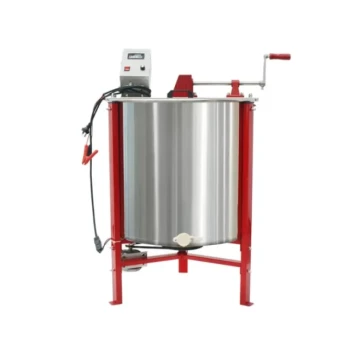
Vacuum suction harvesting systems provide a fundamental ecological advantage by preserving the physical architecture of the honeycomb during extraction. While traditional manual pressure filtration relies on crushing the comb to release honey—essentially destroying the bees' work—vacuum systems utilize negative pressure to extract the product while keeping the wax structure largely intact.
The core ecological benefit is a shift from destruction to preservation. By maintaining the honeycomb structure, vacuum systems allow for a repair efficiency of over 70%, significantly reducing the biological energy the colony must expend on rebuilding.
The Mechanics of Structural Preservation
Eliminating Destructive Extraction
Traditional manual pressure filtration is inherently destructive. To filter the honey, the comb is typically crushed or pressed, forcing the bees to rebuild their storage infrastructure from scratch after every harvest.
Negative Pressure Application
Vacuum suction systems operate on a different principle. They apply controlled negative pressure to draw contents out of the comb.
This process separates the liquid from the structure without compromising the wax integrity.
Achieving High Repair Efficiency
Because the comb is not crushed, the structural foundation remains.
According to performance data, vacuum harvesting allows for a honeycomb repair efficiency of over 70 percent. This means the vast majority of the comb is immediately ready for reuse by the colony.
Ecological Impact on the Colony
Reducing Metabolic Workload
Wax production is metabolically expensive for bees. By preserving the existing comb, you directly reduce the workload for the bee colony.
Bees consume significant amounts of honey and energy to secrete wax. Preserving the comb conserves these resources for the colony's survival rather than infrastructure reconstruction.
Lowering Colony Stress
Physical destruction of the hive environment is a major stressor for bees.
Minimizing damage to the honeycomb structure lowers overall bee stress levels. This contributes to a more stable and healthy colony environment.
Supporting Sustainable Cycles
The cumulative effect of reduced workload and lower stress is a more sustainable production cycle.
The colony recovers faster post-harvest, maintaining a stronger population density and better overall health throughout the season.
Understanding the Trade-offs
Equipment Complexity vs. Simplicity
While ecologically superior, vacuum systems represent a shift toward "industrial-grade" machinery compared to manual tools.
Adopting this technology requires moving away from the simplicity of manual pressing to a system that manages pneumatic forces. This often introduces higher complexity in equipment maintenance and operation.
Speed and Disturbance
While not a direct physiological benefit to the bee, the speed of extraction is a factor.
Vacuum systems can extract products, such as royal jelly, more rapidly than manual methods. However, the primary ecological "win" remains the physical preservation of the wax, rather than speed alone.
Making the Right Choice for Your Goal
When evaluating extraction methods, consider your primary objective regarding hive management.
- If your primary focus is Colony Health and Longevity: The vacuum system is superior, as it preserves the wax structure and reduces the metabolic cost of rebuilding for the bees.
- If your primary focus is Sustainable Production: The vacuum system supports this by allowing for >70% repair efficiency, ensuring the colony recovers quickly after harvesting.
Ultimately, choosing vacuum suction is a decision to prioritize the biological capital of the hive over the mechanical simplicity of the harvest.
Summary Table:
| Feature | Traditional Manual Pressure Filtration | Vacuum Suction Harvesting System |
|---|---|---|
| Honeycomb Impact | Destructive (comb is crushed) | Preserved (wax structure stays intact) |
| Repair Efficiency | Low (bees must rebuild from scratch) | High (>70% repair efficiency) |
| Colony Stress | High due to habitat destruction | Low due to minimal structural damage |
| Energy Expenditure | High (metabolically expensive wax production) | Low (conserves biological energy) |
| Harvest Focus | Mechanical simplicity | Biological capital and colony longevity |
Elevate Your Apiary with Sustainable Harvesting Solutions
At HONESTBEE, we specialize in empowering commercial apiaries and distributors with advanced technology designed for the future of beekeeping. Our vacuum suction systems represent the pinnacle of ecological efficiency, ensuring your colonies remain healthy while your production stays sustainable.
From high-performance harvesting machinery to specialized hive-making and honey-filling equipment, HONESTBEE provides the full spectrum of wholesale tools and consumables your business needs to thrive.
Ready to scale your operations and protect your biological capital? Contact our expert team today to explore our comprehensive wholesale offering!
References
- Agus Sutejo, Agmi Sinta Putri. Karakteristik Alat Pemanen Madu Tipe Isap dengan Variasi Tekanan Vakum. DOI: 10.23960/jabe.v4i2.10906
This article is also based on technical information from HonestBee Knowledge Base .
Related Products
- Honey Concentrating Vacuum Heating Thickening Machine Dehumidifier for Honey
- 0.5T Capacity Honey Dehumidifier Dryer with Vacuum Heating and Thickening Filtering Machine
- HONESTBEE 6 Frame Self Reversing Electric Honey Extractor for Beekeeping
- Professional 4 Frame Self Reversing Electric Honey Extractor for Beekeeping
- Stainless Steel Manual 8 Frame Radial Honey Extractor Machine for Beehives
People Also Ask
- What should be observed during the feeding process of the honey concentrator? Master Honey Processing Efficiency
- What are the advantages of using a honey concentrator machine in apiculture? Boost Quality & Shelf Life
- What are the benefits of a honey concentrator? Elevate Your Honey Quality and Market Value
- What maintenance should be performed when the honey concentrating equipment is not in use? Key Safety & Care Tips
- What are the main functions of the honey concentrating equipment? Essential Machinery for Commercial Quality