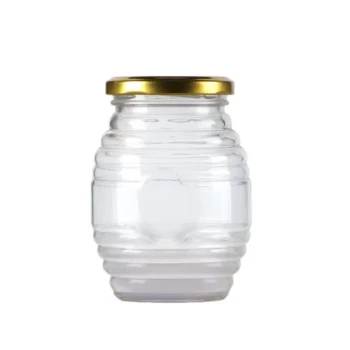
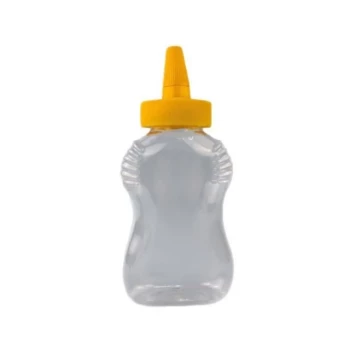
Maximizing warehouse efficiency requires intelligent spatial planning. Honey storage containers with a nestable tapered design offer significant economic value by allowing empty units to stack inside one another, rather than sitting on top of each other. This capabilities drastically reduces the physical footprint required for inventory, directly translating to lower rental and administrative overhead when containers are not in use.
By utilizing tapered designs that nest, businesses can compress the volume of empty inventory. This minimizes wasted vertical and horizontal warehouse space, reducing holding costs during critical off-season and turnover periods.
The Mechanics of Space Reduction
The Tapered Advantage
The core innovation in these containers is the tapered geometry. Unlike straight-walled cylinders that must be stacked vertically even when empty, tapered walls allow the base of one unit to sink deeply into the opening of another.
Compressing Empty Inventory
This interaction is known as nesting. It transforms a column of empty containers from a towering, unstable stack into a compact, dense unit. This allows a warehouse to store significantly more units per square foot of floor space compared to non-nesting alternatives.
Economic Implications for Apiaries and Processors
Lowering Storage Overhead
Storage costs are often calculated based on square footage or pallet positions. By nesting empty containers, you reduce the number of pallets required to hold your inventory. This directly lowers the rent or allocation costs associated with housing packaging materials.
Managing Seasonal Fluctuations
Honey production is inherently seasonal, creating distinct periods where containers sit empty. During the off-season or inventory turnover, the ability to nest containers prevents apiaries from paying to store "air." It keeps administrative costs low until the containers are needed again for the next harvest or processing run.
Operational Considerations and Trade-offs
Contextual Efficiency
It is important to note that the primary economic benefit applies specifically to empty containers. Once the containers are filled with honey, the nesting feature is no longer utilizable, and standard stacking protocols apply.
Inventory Accessibility
While nesting saves space, it creates a denser inventory block. Warehouse managers must ensure that un-nesting these containers for deployment does not introduce excessive labor costs that could offset the storage savings.
Making the Right Choice for Your Goal
To maximize the value of your storage solutions, align your container choice with your operational phase.
- If your primary focus is seasonal cost control: Prioritize tapered, nestable designs to minimize overhead expenses during the long off-season months when containers are idle.
- If your primary focus is active processing: Ensure that the labor required to separate nested containers does not slow down your filling lines during peak turnover periods.
Smart inventory management turns packaging from a liability into a logistical asset.
Summary Table:
| Economic Factor | Nestable Tapered Design | Standard Cylindrical Design |
|---|---|---|
| Space Utilization | High (Deep nesting when empty) | Low (Stacked vertically only) |
| Storage Overhead | Significantly lower rental costs | Higher costs per unit stored |
| Off-Season Value | Compresses empty inventory | Occupies full volume/"stores air" |
| Pallet Efficiency | More units per pallet position | Fewer units per pallet position |
| Best Use Case | Seasonal cost control & storage | Active, high-turnover processing |
Maximize Your Apiary's Profitability with HONESTBEE
Efficient storage is the backbone of a successful beekeeping operation. At HONESTBEE, we specialize in empowering commercial apiaries and distributors with high-performance solutions designed to slash overhead and boost productivity. From nestable honey storage containers and honey-filling machines to professional-grade beekeeping tools and hive-making machinery, our comprehensive wholesale portfolio has everything you need to scale your business.
Ready to transform your warehouse management and reduce seasonal storage costs? Partner with a supplier that understands the mechanics of the industry. Contact HONESTBEE today to discuss our wholesale equipment and specialized consumables tailored for your success!
References
- Gurgen Khachaturov. Beekeeping in Russia today. DOI: 10.1080/0005772x.2010.11417343
This article is also based on technical information from HonestBee Knowledge Base .
Related Products
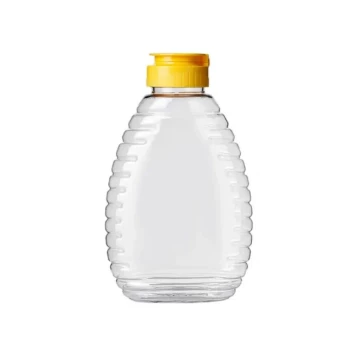
- Classic Honey Bear Jars with Flip Top Dispensing Cap for Liquid Sweeteners
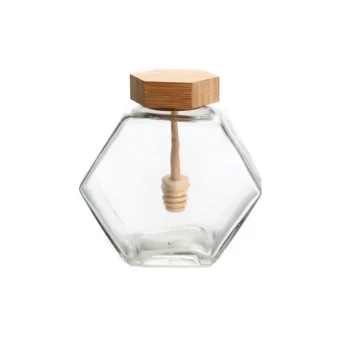
- Hexagonal Glass Honey Jar with Wooden Lid Integrated Dipper Elegant Functional Storage
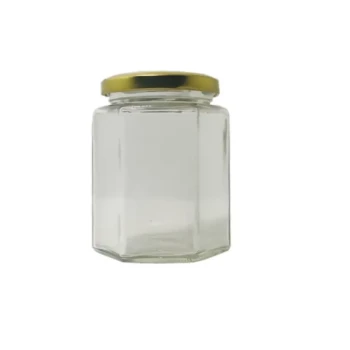
- Hexagonal Glass Honey Jars with Metal Lug Caps Elegant Versatile Packaging
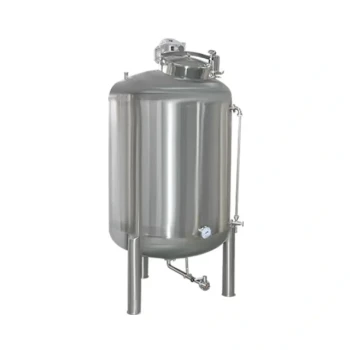
- Stainless Steel Honey Storage and Settling Tank with Double Strainer
- Inverted Squeezable Honey Jar with No Drip Flip Top Cap for Easy Pouring
People Also Ask
- What food safety standards must honey containers meet? Expert Guide to Packaging Integrity & Hygiene
- Why is it important to distinguish between weight and volume when selecting honey containers? Maximize Profits Now
- What are the benefits of purchasing honey containers in bulk? Maximize Margins & Secure Your Supply Chain
- What should be considered when choosing a container for honey to ensure effective sealing? Master Honey Packaging Success
- What is the best container to store honey in? Preserve Purity & Flavor for Years