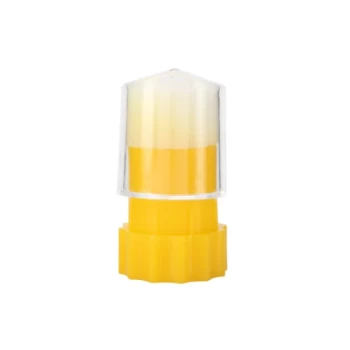
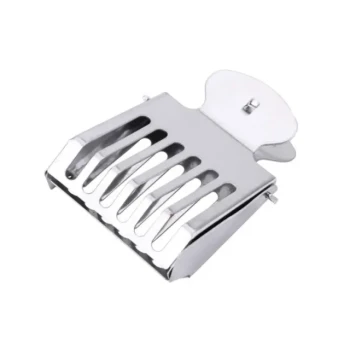
To safely and effectively mark a queen bee, the essential equipment consists of a specialized holding device and a specific marking instrument. You will need a queen marking tube or cage to capture and immobilize the queen, and a queen marking pen of the appropriate color to apply the identifier.
While experienced beekeepers may mark queens by hand, using a marking cage or piston tube significantly reduces the risk of injury. The process relies on non-toxic paint and a steady mechanism to hold the queen still while the mark dries.
The Essential Tools for Queen Marking
To perform this delicate task without harming the colony's most valuable asset, you must assemble the correct toolkit.
Immobilization Devices
The primary risk during marking is physical injury to the queen. To mitigate this, use a queen marking tube or a queen marking cage.
Advanced versions of these tools, often called "piston" devices, feature a soft foam plunger. This allows you to gently push the queen up against a mesh screen, immobilizing her thorax safely without squeezing her abdomen.
The Marking Pen
You cannot use standard permanent markers, which may be toxic to insects. You require a queen marking pen filled with non-toxic, water-based, or enamel paint.
The color of the pen is dictated by an international standard to identify the year the queen was introduced. Ensure the pen is fresh and capable of dispensing a small, solid dot.
Protective Gear
While not used directly on the queen, standard beekeeping protective gear is necessary for the operator.
Wearing a veil and suit allows you to focus entirely on the fine motor skills required for marking, without the distraction of guarding against stings from defensive bees.
Operational Best Practices
Possessing the equipment is only the first step; using it correctly is vital for the queen's survival.
Priming the Equipment
Before touching the queen, shake the marking pen vigorously to mix the paint.
Press the tip onto a hard surface (like a hive roof or stone) to get the paint flowing, then wipe off the excess. A "flooded" pen can drown the queen or clog her spiracles (breathing holes).
Ensuring Adhesion
Once the mark is applied to the center of the thorax, you must not release the queen immediately.
Hold her gently in the device for 30 seconds to one minute. This allows the paint to dry completely, preventing attendant bees from cleaning it off the moment she returns to the hive.
Understanding the Trade-offs
Choosing between tool-assisted marking and manual handling involves balancing speed against safety.
Tool-Assisted vs. Manual Handling
Manual handling—grasping the queen by the wings or legs—is faster but requires significant dexterity and confidence.
Using a marking tube or cage is slower but is the superior choice for most beekeepers. It drastically reduces the chance of crushing the queen or damaging her legs.
Timing and Temperament
Equipment cannot mitigate the risks of bad timing. Do not mark a virgin queen; wait until she is mated and laying eggs.
Marking a queen before she is established can interfere with her mating flights or cause the colony to reject her as an intruder.
Making the Right Choice for Your Goal
Select your approach based on your experience level and the specific needs of your apiary.
- If your primary focus is maximum safety: Utilize a piston-style marking tube with a foam plunger to immobilize the queen without direct finger contact.
- If your primary focus is mark longevity: Use an enamel-based paint pen and ensure the queen remains isolated for a full minute to allow the paint to harden.
The right equipment transforms a high-stakes task into a routine procedure, ensuring your queen remains healthy and easily identifiable for the rest of the season.
Summary Table:
| Equipment Type | Recommended Tool | Purpose | Key Feature |
|---|---|---|---|
| Immobilization | Piston Marking Tube | Safely holds queen in place | Soft foam plunger & mesh screen |
| Marking Tool | Non-toxic Paint Pen | Applies identifier to thorax | Water-based or enamel (non-toxic) |
| Timing Guide | International Color Code | Identifies queen's birth year | Standardized yearly color cycle |
| Safety Gear | Veil and Suit | Protects the beekeeper | Allows focus on delicate motor tasks |
Elevate Your Apiary Management with HONESTBEE
At HONESTBEE, we understand that the queen is the heart of your operation. Whether you are managing a commercial apiary or supplying the next generation of beekeepers as a distributor, we provide the professional-grade tools you need to succeed. Our comprehensive wholesale catalog includes:
- Precision Queen Management: High-quality marking tubes, non-toxic pens, and queen-rearing equipment.
- Industrial Machinery: Professional honey-filling and hive-making machines designed for scale.
- Full-Spectrum Supplies: From essential consumables to honey-themed cultural merchandise.
Partner with a supplier that values precision and durability. Contact HONESTBEE today to discuss our wholesale offerings and bulk pricing.
Related Products
- One Hand Yellow Queen Marking Catcher Tube Cage Beekeeper Tool Accessory for Queen Bee
- Plastic Long Marker Device for Catching and Marking Bees Queen Bee Marking Tube and Cage
- Queen Bee Marking Pen UNI Medium Point for Queen and Bee Marking
- Queen Bee Marking Pen POSCA Queen Marking Pens for Beekeeping Bee Markers
- Queen Bee Marking Tube Cage Bottle Catcher Holder with Clear Plastic Plunger Marker
People Also Ask
- What tools are available to assist in safely marking a queen bee? Essential Gear for Professional Beekeepers
- What equipment is needed to mark a queen bee? A Simple 3-Tool Guide for Every Beekeeper
- Why are high-quality queen bee marking tools essential for pedigree tracking? Master Honey Bee Genetic Integrity
- What are the specific advantages of using international standard marking tools in queen bee production and management?
- What tools are recommended for marking a Queen bee? Ensure a Safe and Successful Mark