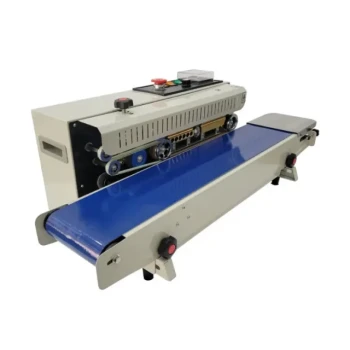
Effective recycling of harvested honeycombs hinges on the integration of efficient wax melting equipment and precision filtration systems. These technologies are necessary to separate impurities from the raw comb, ensuring the extraction of high-quality beeswax suitable for re-manufacturing.
The core objective of honeycomb recycling is to transform by-products into functional resources. By converting harvested comb into clean wax for new foundation sheets, operations can simultaneously reduce material costs and improve the biological hygiene of the colony.
Essential Processing Hardware
Wax Melting Equipment
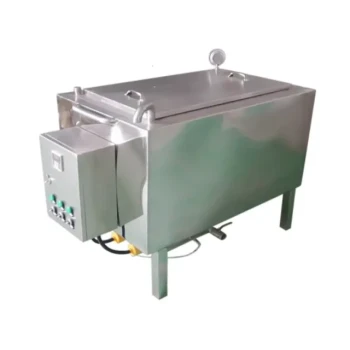
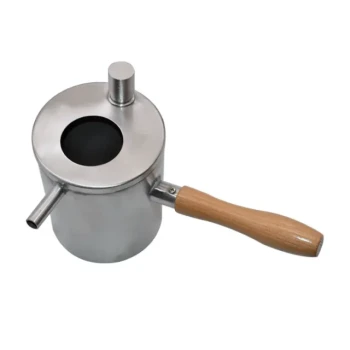
The foundational requirement for any recycling operation is a reliable heat source designed for phase separation. Wax melting equipment must be capable of rendering the honeycomb down to a liquid state efficiently.
This machinery separates the valuable beeswax from the "slumgum" (cocoons, propolis, and debris). High-efficiency melters ensure the maximum amount of wax is recovered from the comb, preventing waste during the initial extraction phase.
Filtration Systems
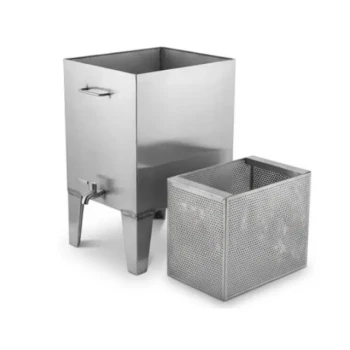
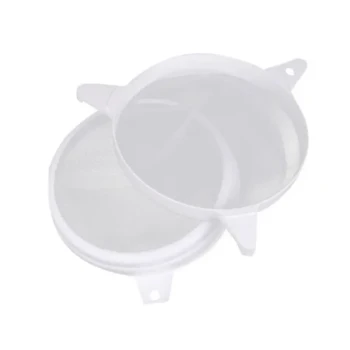
Once melted, the wax is rarely pure enough for immediate reuse. Advanced filtration systems are required to remove fine particulate matter and remaining impurities.
Filtration is critical because the quality of the final product depends entirely on purity. Without adequate filtration, the recycled wax will lack the structural integrity required to form durable foundation sheets.
The Value of Resource Utilization
Creating Foundation Sheets
The primary application for recycled wax is the production of new wax foundation sheets. This creates a closed-loop system within the apiary.
Instead of purchasing expensive starter sheets from external suppliers, beekeepers can utilize their own harvested by-products. This direct resource utilization significantly lowers the operational overhead of the apiary.
Enhancing Colony Health
Beyond economics, recycling plays a vital role in the biological management of the hive. Old combs can harbor pathogens or chemical residues.
By cycling out old combs and replacing them with fresh foundation made from recycled, filtered wax, you maintain a healthy micro-environment. This proactive rotation is essential for sustaining strong, productive bee colonies.
Understanding the Trade-offs
Equipment Cost vs. Yield
While industrialized processing methods increase efficiency, they require upfront capital. High-quality melting and filtration gear is an investment that must be weighed against the size of your operation.
However, relying on manual or low-tech methods often results in lower extraction rates. In regions with historically low efficiency, upgrading to technical processing equipment provides a safeguard for improved output performance.
Purity vs. Volume
There is often a tension between the speed of processing and the quality of the wax. Rushing the filtration process to increase volume can lead to contaminated wax that produces brittle foundation sheets.
Operators must prioritize the "technical safeguard" of purity over raw speed. Minimizing loss during extraction is important, but ensuring the final product is free of impurities is paramount for successful reuse.
Optimizing Your Apiary's Output
To maximize the return on your recycling efforts, match your equipment choices to your specific operational goals.
- If your primary focus is Cost Reduction: Prioritize equipment that allows you to manufacture your own foundation sheets to eliminate external supply costs.
- If your primary focus is Colony Health: Invest heavily in superior filtration systems to ensure all contaminants are removed before reintroducing wax to the hive.
- If your primary focus is Efficiency: Adopt industrialized processing methods to maximize yield per colony and minimize material loss during harvesting.
The most successful operations view honeycomb recycling not as waste management, but as a critical production line for apiary sustainability.
Summary Table:
| Equipment Type | Key Function | Benefit for Beekeepers |
|---|---|---|
| Wax Melting Equipment | Renders honeycomb to liquid; separates slumgum | Maximizes wax recovery & prevents material waste |
| Filtration Systems | Removes fine particles and impurities | Ensures structural integrity for foundation sheets |
| Foundation Machines | Converts pure wax into new starter sheets | Reduces overhead costs by creating a closed-loop system |
| Sanitization Tools | Removes pathogens and chemical residues | Improves colony hygiene and biological health |
Maximize Your Apiary's Sustainability with HONESTBEE
Transform your honeycomb by-products into valuable resources with high-performance recycling solutions from HONESTBEE. As a premier partner for commercial apiaries and global distributors, we provide the comprehensive wholesale support you need to scale your operations.
From industrial-grade wax melters and advanced filtration systems to precision honey-filling and foundation-making machinery, our portfolio is designed to enhance your yield and reduce material costs. Whether you are sourcing essential beekeeping consumables or specialized hardware, we deliver the tools that drive efficiency and colony health.
Ready to optimize your production line? Contact us today to explore our wholesale equipment offerings and see how HONESTBEE can empower your business growth!
References
- Dinku Negash, Asaminew Tassew. Assessment the Status of Agro-Chemicals Utilization and Honeybee Poisons Plants in Sidama Zone, SNNPR, and Ethiopia. DOI: 10.7176/jrdm/85-04
This article is also based on technical information from HonestBee Knowledge Base .
Related Products
- Electric Commercial Beeswax Melter for Factory Use
- Professional Stainless Steel Wax Melter for Beekeeping and Crafts
- Steam Beeswax Melter Wax Warmer for Wax Processing
- Beeswax Melter for Candle Making Honey Bee Wax Melter
- Solar Beeswax Melter Easy Solar Wax Melter for Beeswax
People Also Ask
- Why might a commercial beekeeper prefer an electric beeswax melter? Maximize Profit with Speed & Scale
- What safety precautions should be taken when melting beeswax? A Guide to Flammable Wax Handling
- What types of beeswax melters are available for different scales of beekeeping? Solar vs. Electric Melters Compared
- What are the three popular methods for melting beeswax? Safely Process Your Wax with Ease
- How do you melt beeswax without making a mess? Master Safe & Clean Techniques