The ideal winter entrance configuration is not a universal standard, but a strategic choice based on your specific environment and hardware. It is determined primarily by three variables: the insulation properties of your equipment, your geographical latitude (northern vs. southern climates), and the intensity of your regional winter weather patterns.
The goal is to balance heat retention with moisture removal. While uninsulated hives often require top entrances to mitigate condensation, well-insulated setups may perform best with a single bottom entrance.
Assessing Your Hive Equipment
The Uninsulated Hive
Standard wooden hives offer little thermal protection against the cold. In these setups, warm, moist air from the cluster hits cold walls and ceilings.
This leads to condensation, which can drip back onto the bees and freeze them. Consequently, uninsulated hives frequently require a top entrance to vent this moisture.
The Insulated Hive
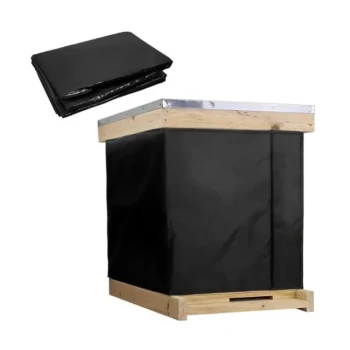
Hives designed with significant insulation maintain higher internal wall temperatures. This prevents the "dew point" effect where moisture condenses on interior surfaces.
Because condensation is less of a risk, these hives often do not require top ventilation. A simple bottom entrance is frequently sufficient.
The Role of Winter Inner Covers
Creating Dead Air Space
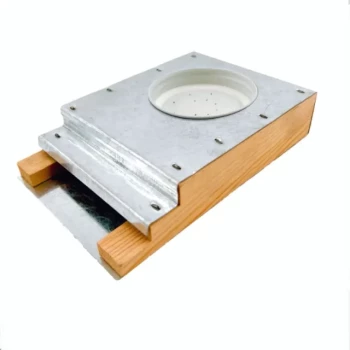
A winter inner cover is a specialized component designed to sit between the top of the hive and the outer environment.
It typically features a central oval-shaped hole. This design creates a pocket of "dead air," which acts as a thermal buffer and significantly increases insulation for the colony.
Managing Airflow and Access
Beyond insulation, this cover serves as a functional upper entrance and exit. This promotes fresh air circulation without creating excessive drafts.
It specifically allows moisture to escape the hive, addressing the condensation issues common in colder climates.
Understanding the Trade-offs
Heat Loss vs. Moisture Control
The primary trade-off in entrance configuration is between retaining heat and venting moisture.
Adding a top entrance ensures the hive stays dry, which is critical for survival. However, in a hive with poor insulation, excessive ventilation can strip the cluster of necessary warmth.
Maintenance and Propolis
Using a specialized winter inner cover offers maintenance benefits beyond ventilation. It deters bees from applying propolis to the exterior hive cover, making inspections easier.
Additionally, when used during feeding, it prevents bees from building rogue honeycomb within empty supers placed above the feeder.
Making the Right Choice for Your Goal
If your primary focus is preventing condensation in standard wooden gear: Ensure you provide an upper entrance or winter inner cover to allow moisture to escape before it freezes.
If your primary focus is maximum heat retention: Utilize well-insulated hive bodies and consider restricting the configuration to a bottom entrance only, as the risk of condensation is lower.
By aligning your entrance configuration with your specific equipment and climate, you ensure your colony remains dry and thermally stable throughout the winter.
Summary Table:
| Factor | Uninsulated Wooden Hive | Well-Insulated Hive |
|---|---|---|
| Primary Goal | Moisture venting to prevent dripping | Maximum heat retention |
| Risk Level | High condensation & freezing risk | Low condensation risk |
| Entrance Setup | Top entrance + Bottom entrance | Bottom entrance only (often) |
| Airflow Strategy | High ventilation via upper vents | Controlled, minimal airflow |
| Key Component | Winter inner cover for dead air | Thick insulated walls/covers |
Maximize Your Colony's Winter Survival with HONESTBEE
Protecting your apiary during the harsh winter months requires more than just strategy—it requires the right hardware. At HONESTBEE, we specialize in supporting commercial apiaries and distributors with high-performance beekeeping equipment designed for thermal efficiency. From insulated hive-making components and specialized winter inner covers to automated honey-processing machinery, our wholesale catalog provides everything your business needs to thrive.
Ensure your bees (and your bottom line) stay protected. Contact HONESTBEE today to discuss our comprehensive range of beekeeping tools, machinery, and industry consumables tailored for large-scale operations.
Related Products
- Steel Round Disc Entrance Reducer for Flexzion Bee Hive Nuc Box Gate
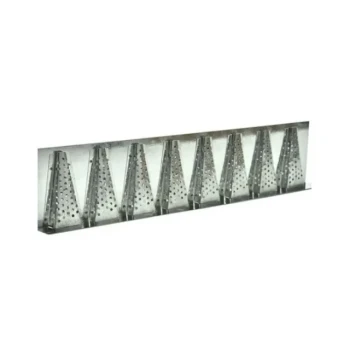
- Beehive Entrance Reducer Guardian Metal Hive Entrance for Bees
- White Plastic 0.5L Beekeeping Entrance Feeder for Bees
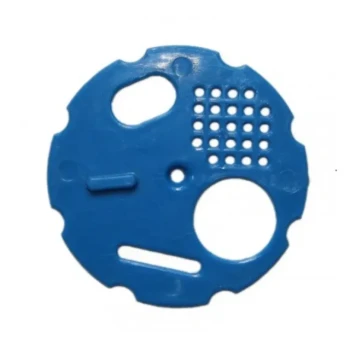
- Beehive Entrance Discs Plastic Bee Entrance Disc for Bee Hives
- HONESTBEE Entrance Bee Feeder Efficient Hive Front Liquid Feeding Solution for Beekeeping
People Also Ask
- What is the purpose of an entrance reducer for a beehive? Strengthen Colony Defense and Prevent Robbery
- Why are entrance reducers used to counter hornet infestations? Protect Your Hive with Strategic Choke Points
- Why is it critical to maintain a smaller entrance for a newly established bee hive? Boost Colony Growth and Security
- Under what conditions should a beekeeper adjust the size of a beehive entrance? Seasonal & Defense Management Tips
- What is the function of an entrance reducer on a beehive? Strengthen Colony Defense and Climate Control