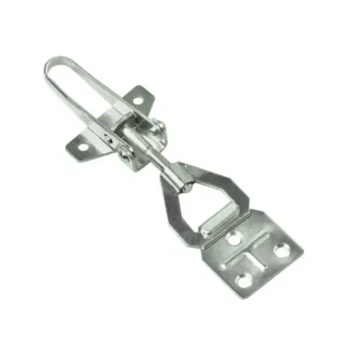
To ensure effective pollination services, transport and placement equipment must prioritize superior shock absorption, precise temperature control, and specialized structural reinforcement. These features are critical to maintaining the physical integrity of the nest during transit and ensuring colonies can immediately resume high-frequency foraging upon arrival.
Success in pollination services relies on delivering healthy, stress-free colonies rather than just moving hives. Specialized equipment that mitigates physical stress during transit and optimizes on-site placement is the key driver of high crop yields and accurate economic modeling.
Protecting the Biological Asset During Transit
Transporting bees is inherently traumatic for the colony. The equipment selected must act as a buffer between the biological needs of the bees and the physical stresses of the road.
Mitigating Vibration and Shock
Shock absorption is the single most critical feature for transport equipment.
During transit, road vibrations can cause the internal structures of a hive to collapse. This is particularly devastating for stingless bee colonies, where internal structural failure leads to significant worker bee loss. Effective dampening systems prevent these structural failures, ensuring the colony arrives intact.
Structural Reinforcement Hardware
Standard hive bodies are often insufficient for the rigors of long-distance transport.
Specialized reinforcement hardware is required to secure frames and lock hive bodies together. This prevents the shifting of internal components caused by vehicle movement. By locking these elements in place, you minimize the risk of crushing bees and damaging the brood, which preserves the colony's population density.
Environmental Control Capabilities
Equipment must feature temperature control capabilities to manage the microclimate within the transport unit.
Fluctuations in temperature combined with the stress of confinement can be fatal. Regulating the thermal environment ensures that the colony does not expend excessive energy regulating its own temperature, preserving their vitality for the pollination work ahead.
Optimizing Deployment for Agricultural Yield
The job of the equipment does not end when the truck stops. The physical placement of the colony is a determinant factor in pollination efficiency.
Scientific Placement Racks
The use of scientific placement racks is essential for maximizing fruit set and crop quality.
These racks are designed to position hives at specific elevations and angles. This strategic positioning optimizes the flight ranges and foraging frequency of the bees. Proper alignment ensures bees can locate the target crop immediately and return to the hive efficiently, reducing energy waste.
Facilitating Rapid Recovery
The ultimate goal of specialized placement systems is to ensure rapid recovery of foraging vitality.
Bees that are transported safely and positioned correctly recover from the stress of transit quickly. This allows them to begin pollination duties almost immediately, ensuring that pollination density meets agricultural standards right from the start of the flowering season.
Understanding the Trade-offs
Capital Investment vs. Service Efficiency
Implementing specialized transport and placement systems requires a higher initial capital investment compared to standard cargo methods.
However, relying on generic transport increases the rate of bee mortality and nest collapse. While specialized gear costs more upfront, it is the only way to guarantee a consistent service. This consistency is critical for measuring service efficiency and quantifying economic benefits, allowing for accurate cost-to-output ratio calculations for the business.
Making the Right Choice for Your Goal
Selecting the right equipment depends on the specific biological and economic constraints of your operation.
- If your primary focus is Stingless Bees: Prioritize shock absorption above all else to prevent internal nest collapse and worker loss.
- If your primary focus is Maximizing Crop Yield: Invest heavily in scientific placement racks to optimize flight paths and increase foraging frequency.
- If your primary focus is Long-Distance Operations: Ensure your equipment includes robust hive reinforcement and locking hardware to withstand prolonged vibration and vehicle movement.
The most effective equipment strategy treats the transport vehicle and placement racks not as shipping containers, but as an extension of the hive itself.
Summary Table:
| Feature | Primary Function | Key Benefit |
|---|---|---|
| Shock Absorption | Mitigates road vibration | Prevents internal hive collapse and worker bee loss |
| Structural Reinforcement | Locks hive bodies and frames | Minimizes bee crushing and maintains population density |
| Environmental Control | Regulates thermal microclimate | Preserves colony energy and vitality during transit |
| Scientific Placement Racks | Optimizes hive elevation and angle | Maximizes foraging frequency and pollination flight ranges |
| Rapid Recovery Design | Facilitates immediate deployment | Ensures high-frequency foraging starts upon arrival |
Maximize Your Pollination Efficiency with HONESTBEE
Protect your biological assets and guarantee superior crop yields with professional-grade beekeeping solutions. At HONESTBEE, we specialize in supporting commercial apiaries and distributors with a comprehensive wholesale portfolio designed for the rigors of industrial pollination.
From specialized transport hardware and hive-making machinery to advanced honey-filling systems and industry consumables, we provide the full spectrum of equipment needed to scale your operations. Our expert-engineered tools ensure your colonies arrive healthy and recover fast, turning every transit into a successful deployment.
Ready to upgrade your fleet and equipment?
Contact our wholesale team today to discover how HONESTBEE can enhance your service efficiency and economic output!
References
- Amalia Cabrera Núñez. Conservation and Productive Yield of the Bee without Sedel as a Pollinator in Citricultural Orchards. DOI: 10.23880/oajar-16000264
This article is also based on technical information from HonestBee Knowledge Base .
Related Products
- Plastic Transporting Bee Packages and Nuc Boxes for Beekeeping
- Professional Queen Bee Introduction and Transport Cage
- Portable Queen Bee Incubator with 12V Car Adapter for Safe Transport
- Durable Plastic Interlocking Hive Connector for Beekeeping
- Professional Queen Cage with Sliding Gate and Feeder Plug
People Also Ask
- What role do bee package boxes play in the commercial transport and expansion of honeybee colonies? - Logistic Essentials
- What are beekeeping boxes called? A Guide to Hive Bodies and Box Types
- How do standardized bee packages serve as a recovery mechanism for commercial beekeeping? Ensure Business Continuity
- What is the commercial value of using standardized bee packages? Drive Scalability in Large-Scale Apiaries
- Why is the timely introduction of high-quality bee packages critical? Save Your Apiary from Asian Hornet Invasions