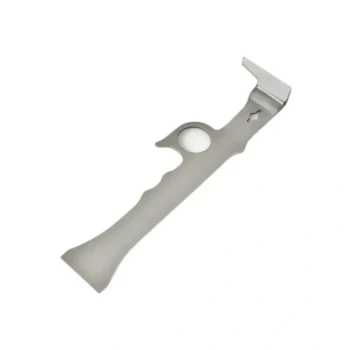
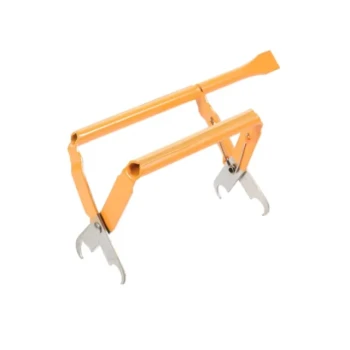
Professional beekeeping inspection tools serve as critical control mechanisms for assessing colony welfare and pest infestation rates throughout the migration process. Specifically, they enable beekeepers to measure Varroa mite levels and general vitality before and after transport, ensuring that the stress of movement does not compromise the colony's productivity or spread pests to new environments. These precision instruments provide the physical support necessary to maintain high standards of health in colonies subjected to long-distance travel.
Core Insight Nomadic beekeeping introduces unique variables regarding transport stress and cross-contamination risks between geographic locations. The central value of professional inspection tools lies in their ability to facilitate rapid, accurate interventions, allowing apiarists to neutralize threats before they escalate during migration.
Managing the Unique Stresses of Migration
Mitigating Transport-Related Stress
Nomadic colonies face significant physiological stress due to vibration, confinement, and changing climates during transport. Professional inspection tools allow apiarists to quickly assess colony welfare immediately following a move.
By monitoring vitality markers, beekeepers can determine if a colony has remained productive or if it requires immediate nutritional or medical support to recover from the journey.
Controlling Pest Transmission Risks
Moving bees across different environments increases the risk of spreading pests, particularly Varroa mites.
Inspection tools are essential for determining infestation rates before migration to prevent introducing parasites to new areas, and after migration to ensure the colony hasn't contracted local pests. This creates a bio-security buffer essential for sustainable nomadic operations.
The Role of Precision and Efficiency
Enabling High-Intensity Sampling
Commercial nomadic operations often require screening thousands of hives in a short window. Industrial-grade tools, such as high-strength hive tools and smokers, allow for the efficient opening of hive components.
These tools enable technicians to collect samples rapidly without compromising the structural integrity of the beehive, ensuring that speed does not result in equipment damage.
Ensuring Technician Safety and Focus
To maintain the precision of an inspection, the technician must be free from the physical and psychological burden of defensive bee behavior.
High-performance protective gear creates a necessary barrier against stings during prolonged, high-intensity sampling. This protection allows the operator to focus entirely on the accuracy of the health assessment rather than their personal safety.
Targeted Health Interventions
Precision Delivery of Treatments
Once an issue is identified, professional tools shift from monitoring to management. Specialized veterinary drug application equipment ensures the precise delivery of treatments at the correct dosages.
This accuracy is vital for controlling Varroa mites without overdosing the hive or contaminating hive products like honey and beeswax.
Navigating Agricultural Hazards
Nomadic bees are often moved to pollinate crops where agricultural chemicals are present.
Inspection tools assist in monitoring the impact of these environments, while mobile units allow for the rapid isolation or migration of hives away from areas undergoing pesticide application, reducing mortality risks.
Understanding the Operational Trade-offs
Balancing Intervention with Disturbance
While inspection tools provide critical data, the act of inspection itself can be disruptive. Opening a hive alters its internal climate and can temporarily interrupt colony productivity.
The trade-off requires using highly efficient tools to minimize the duration of the intrusion. The goal is to gather maximum data with minimum disruption to the colony's daily rhythm.
Dependency on Equipment Integrity
In high-volume nomadic beekeeping, the failure of a tool can halt operations. Relying on specialized veterinary applicators means that if equipment malfunctions, treatment schedules may be delayed.
Professional operators must maintain their gear meticulously, as the precision of the intervention is entirely dependent on the calibration and functionality of the tool being used.
Making the Right Choice for Your Operation
To select the appropriate tooling strategy for your nomadic colonies, assess your primary operational risks:
- If your primary focus is Disease Control: Prioritize specialized veterinary application equipment and monitoring consumables to ensure precise Varroa management before and after transport.
- If your primary focus is Operational Efficiency: Invest in industrial-grade hive tools and high-performance protective gear to maximize sampling speed and minimize technician fatigue during large-scale screenings.
Ultimately, the correct application of these tools transforms colony health from a variable based on luck into a manageable metric based on data.
Summary Table:
| Inspection Category | Key Tool/Equipment | Primary Function in Nomadic Beekeeping |
|---|---|---|
| Pest Management | Varroa Monitoring Kits & Applicators | Precise infestation assessment and targeted chemical treatment. |
| Colony Vitality | Industrial Hive Tools & Smokers | Rapid hive access for high-intensity sampling during migration. |
| Operator Safety | High-Performance Protective Gear | Ensures technician focus and safety during large-scale screenings. |
| Environmental Guard | Mobile Isolation Units | Protects colonies from agricultural pesticides and cross-contamination. |
Scale Your Nomadic Beekeeping Operations with HONESTBEE
Maintaining colony health during migration requires more than just luck—it requires industrial-grade precision. HONESTBEE specializes in supporting commercial apiaries and distributors with a comprehensive wholesale range of beekeeping tools, advanced hive-making machinery, and essential consumables.
From high-strength hardware to specialized honey-filling equipment, we provide the robust infrastructure needed to protect your productivity and biosecurity. Empower your commercial apiary with tools built for efficiency and scale.
Contact HONESTBEE Today for a Wholesale Consultation
References
- Alíz Feketéné Ferenczi, Angéla Soltész. The Beekeeping Practice of Transhumance Bee Colonies—Quantitative Study of Honey Production Characteristics Based on a Questionnaire Survey in Hungary. DOI: 10.3390/agriculture15131405
This article is also based on technical information from HonestBee Knowledge Base .
Related Products
- Professional Dual-End Stainless Steel Hive Tool for Beekeeping
- HONESTBEE Professional Mini J-Hook Hive Tool for Beekeeping
- Professional Dual Action Queen Excluder Scraper for Beekeeping
- HONESTBEE Classic Pry Bar Hive Tool with High Visibility Finish for Beekeeping
- Stainless Steel J Hook Hive Tool for Beekeeping
People Also Ask
- What specific challenges do beekeeping hive tools address during hive maintenance? Essential Solutions for Apiaries
- Why are professional hive tools considered indispensable? Master Beekeeping Maintenance with Precision Leverage
- What is the role of professional hive tools in routine apiary maintenance? Expert Tips for Hive Health and Longevity
- What role do professional beehives and beekeeping tools play in honey prosumption? Scale yield & commercial success.
- What are the primary functions of a stainless steel hive tool? Essential Equipment for Professional Beekeeping