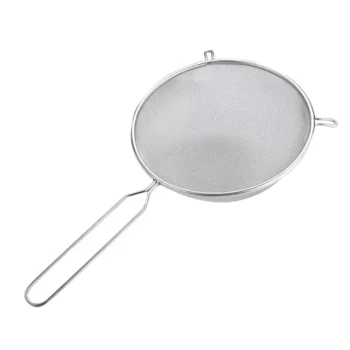
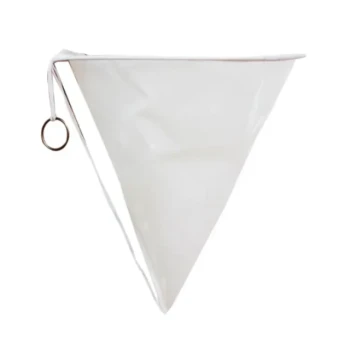
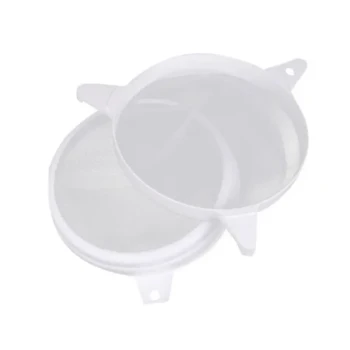
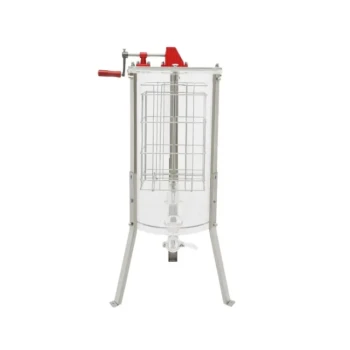
Honey filtration and clarification equipment functions as a critical quality control gate: it employs fine physical screening to mechanically remove solid impurities—such as wax debris, pollen clusters, and bee fragments—that are introduced during extraction.
This process is designed to significantly enhance the honey's clarity, color, and shelf life. Crucially, it achieves these aesthetic and stability goals without relying on excessive heat, thereby preserving the natural nutritional components and enzymes required for high-end commercial and export markets.
By bridging the gap between raw extraction and retail packaging, this equipment ensures the final product meets rigorous food safety and sensory standards while maintaining the bioactive integrity of the honey.
Achieving Commercial Purity Standards
Removal of Particulate Contaminants
The primary mechanical function of this equipment is the separation of insoluble matter from the liquid honey.
During the harvest, beeswax cappings, larval remains, and bee parts inevitably mix with the honey; filtration precisely eliminates these elements to ensure a clean final product.
Enhancing Visual Clarity
Consumer perception of honey quality is heavily influenced by its visual "sensory quality."
Clarification equipment removes turbidity-causing particles to improve transparency. This is particularly vital for dark monofloral honeys, where deep color purity and lack of sediment are key indicators of value.
Extending Shelf Life
Impurities left in honey can act as nucleation sites, which accelerate crystallization, or introduce moisture issues that lead to fermentation.
By removing these solids and stabilizing the mixture, the equipment extends the product's usable life, making it suitable for long-term storage and supermarket supply chains.
Balancing Filtration with Nutritional Integrity
Physical vs. Thermal Processing
A major advantage of modern industrial filtration is its reliance on physical screening rather than thermal degradation.
Because the process does not require high-temperature treatment, it effectively cleans the honey while avoiding the destruction of heat-sensitive compounds.
Preserving Bioactive Components
High-precision equipment is engineered to differentiate between unwanted debris and valuable nutrients.
It retains natural enzymes, minerals, and essential pollen grains, ensuring the honey remains a "living" food product with high nutritional density.
Supporting Raw Honey Production
For producers marketing "raw" honey, specific industrial-grade filtration is indispensable.
It provides the necessary cleanliness for commercial sale without altering the chemical composition, facilitating the sale of raw products in regulated markets.
Scaling for Industrial Operations
Automation and Efficiency
Transitioning from traditional beekeeping to modern industry requires standardized processing.
Automated filtration systems facilitate large-scale throughput, quickly separating honey from wax cappings to meet high-volume demand.
Meeting Export Regulations
To access international markets, honey must meet strict purity and safety definitions.
Multi-stage filtration systems ensure consistency, allowing producers to meet the "export standards" required for pharmaceutical and global food industries.
Understanding the Precision Trade-off
While filtration is necessary, the precision of the equipment is the single most critical variable.
If the filtration screen is too coarse, visual defects and wax particles remain, lowering the commercial value and potentially failing food safety inspections.
Conversely, if filtration is excessively fine, there is a risk of removing too much pollen. Pollen is often used to verify the botanical and geographical origin of the honey; removing it entirely can strip the honey of its unique identity and marketability as a premium natural product.
Making the Right Choice for Your Goal
The specific configuration of your filtration equipment should depend on your target market and product definition.
- If your primary focus is Raw or Artisanal Honey: Prioritize equipment with adjustable precision that removes visible debris (legs, wax) but intentionally allows fine pollen grains to pass through to preserve local character.
- If your primary focus is Mass Market or Export: Focus on multi-stage, high-throughput automated systems that guarantee maximum clarity and consistency to prevent crystallization on supermarket shelves.
Modern filtration technology transforms a variable raw harvest into a reliable, high-value commodity without sacrificing nature's original recipe.
Summary Table:
| Function | Key Benefit | Impact on Quality |
|---|---|---|
| Particulate Removal | Eliminates wax, debris, and bee fragments | Ensures food safety and physical purity |
| Visual Clarification | Improves transparency and color consistency | Increases consumer appeal and market value |
| Shelf Life Extension | Delivers stability by reducing nucleation sites | Prevents premature crystallization and fermentation |
| Bioactive Preservation | Uses physical screening instead of high heat | Maintains natural enzymes and nutritional density |
| Regulatory Compliance | Meets strict international export standards | Facilitates access to global and pharmaceutical markets |
Elevate Your Honey Production with HONESTBEE
At HONESTBEE, we specialize in empowering commercial apiaries and distributors with the professional tools needed to succeed in a competitive global market. Whether you require high-precision honey-filling machines or advanced filtration systems that balance purity with nutritional integrity, our comprehensive wholesale offering has you covered.
Why partner with HONESTBEE?
- Full Spectrum Supply: From hive-making machinery to essential industry consumables.
- Industrial Expertise: Equipment designed for large-scale throughput and export-grade consistency.
- Value-Driven Solutions: Enhancing your product's shelf life and visual appeal through superior technology.
Ready to scale your operations and secure your place in the premium honey market? Contact our experts today to find the perfect equipment for your business!
References
- Nuhfil Hanani, Mohammad Ilyas Shaleh. PEMBERDAYAAN PETANI TEMBAKAU MELALUI DIVERSIFIKASI BUDIDAYA PETERNAKAN LEBAH MADU DI KABUPATEN PROBOLINGGO JAWA TIMUR. DOI: 10.20956/jdp.v9i2.27831
This article is also based on technical information from HonestBee Knowledge Base .
Related Products
- Electric Double Wall Honey Filtering Machine Purifier Equipment for Honey Processing Plant
- Honey Concentrating and Filtering Dehumidifier Machine 2T Capacity for Honey
- Professional Stainless Steel Honey Filtering Machine with Water Bath Heating for Beekeeping
- Professional Stainless Steel Honey Filter with Support Handle
- Professional Honey Filter with Tripod Support Stand
People Also Ask
- What is the process of filtering honey? A Guide to Clean, Pure, and Market-Ready Honey
- What types of equipment are used in honey filtering? Build an Efficient System for Pure, Marketable Honey
- What is the overall importance of using the right equipment in honey filtering? Boost Quality & Marketability
- What role do professional honey harvesting and filtering equipment play in meeting honey market quality standards? Boost ROI
- What are the benefits of drying honey filtering equipment after use? Protect Your Honey Quality & Equipment Investment