Industrial-grade filtration and sedimentation systems are the defining factor in transforming raw extraction into a market-ready product. These systems primarily function to eliminate mechanical impurities—such as beeswax residues, insect parts, and debris—thereby significantly upgrading the honey’s visual clarity and physical purity.
Core Takeaway While the immediate benefit of these systems is visual refinement, their deeper value lies in stabilization. By removing microscopic impurity nuclei, industrial filtration delays premature crystallization, effectively extending the product's liquid shelf life and commercial viability.
Elevating Sensory Quality
Removing Mechanical Impurities
Raw honey extraction inevitably introduces foreign matter, including beeswax debris, bee parts, and airborne dust.
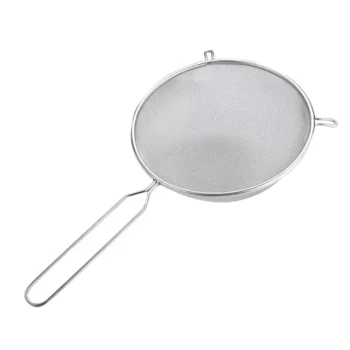
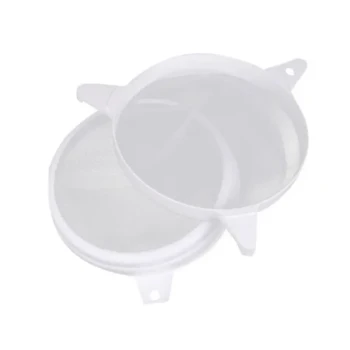
Industrial systems utilize multi-stage stainless steel screens and microporous media to capture these particulates. This step is essential for converting a raw agricultural yield into a hygienic food product.
Achieving Visual Transparency
High-end consumer markets equate optical clarity with quality.
Precision filtration enhances the transparency of the honey, ensuring it meets strict sensory standards. This visual refinement is often the primary driver for increasing the premium value of the final packaged product.
Extending Shelf Life and Stability
Eliminating Crystallization Nuclei
Crystallization is often triggered by the presence of solid particles suspended in the liquid.
Primary reference data indicates that filtration and sedimentation equipment remove these "impurity nuclei." By eliminating the solid surfaces where glucose crystals typically begin to form, the process significantly delays the solidification of the honey.
Ensuring Storage Stability
Consistent texture is vital for logistics and long-term storage.
By stabilizing the liquid state, processors can ensure the honey remains pourable and visually consistent throughout its distribution cycle. This reduces waste and returns caused by "sugaring" on retail shelves.
Understanding the Trade-offs
The Pollen Balance
It is critical to distinguish between cleaning honey and stripping it.
According to food safety regulations (such as EU Council Directive 2001/110/EC), filtration must remove foreign matter without removing the natural pollen content. Proper industrial filtration removes debris but retains pollen, which acts as a botanical fingerprint for origin verification.
Temperature and Nutrition
Filtration systems often work in tandem with thermal processing to lower viscosity.
However, precise temperature control is required to prevent degrading the honey's nutritional profile. The goal is to refine the physical appearance while preserving the original enzymes and flavor compounds.
Making the Right Choice for Your Goal
To maximize the value of your processing line, align your equipment choice with your market strategy:
- If your primary focus is Premium Retail Presentation: Prioritize high-precision microporous media systems to maximize transparency and delay crystallization for a longer shelf-appeal.
- If your primary focus is Regulatory Compliance (e.g., EU Export): Ensure your system uses mesh sizes that filter macro-impurities (wax/parts) but allow microscopic pollen grains to pass through to meet origin standards.
Effective filtration is not just about cleaning; it is a strategic preservation method that dictates the commercial lifespan of your product.
Summary Table:
| Feature | Impact on Honey Quality | Commercial Benefit |
|---|---|---|
| Impurity Removal | Eliminates wax, debris, and bee parts | Ensures food safety and hygiene compliance |
| Visual Refinement | Increases optical transparency and clarity | Commands premium retail pricing |
| Nuclei Elimination | Removes particles that trigger granulation | Significantly extends liquid shelf life |
| Pollen Retention | Maintains natural botanical fingerprints | Ensures regulatory compliance and origin proof |
| Texture Control | Prevents premature crystallization | Reduces product waste and retail returns |
Scale Your Honey Production with HONESTBEE
At HONESTBEE, we understand that the right processing technology is the difference between raw yield and a premium global brand. We provide commercial apiaries and distributors with high-performance filtration systems, honey-filling machines, and comprehensive honey-making hardware designed to maximize your product's market value.
Whether you are looking to enhance clarity, extend shelf life, or ensure regulatory compliance for export, our expert team is ready to equip your facility with the industry’s best tools and consumables.
Ready to elevate your honey quality? Contact us today for a custom wholesale solution!
References
- Svitlana Koval, Volodymyr Rossokha. Theoretical Approaches to Determining the Essence of Management of Control Systems and Quality of Production of Beekeeping Products. DOI: 10.12958/1817-3772-2022-1(67)-41-51
This article is also based on technical information from HonestBee Knowledge Base .
Related Products
- Professional Stainless Steel Honey Filter with Support Handle
- Electric Double Wall Honey Filtering Machine Purifier Equipment for Honey Processing Plant
- Professional Honey Filter with Tripod Support Stand
- Honey Concentrating and Filtering Dehumidifier Machine 2T Capacity for Honey
- Professional Stainless Steel Honey Filtering Machine with Water Bath Heating for Beekeeping
People Also Ask
- Why are stainless steel filters essential during the initial purification phase of honey processing? Ensure Purity
- What are the benefits of using a high-quality honey filter? Elevate Purity and Preserve Natural Flavor
- What is the primary purpose of honey filters? Achieve Professional Clarity & Pure Honey Quality
- What micron filter should I use for honey? Choose the Right Filter for Sales or Competitions
- Why do people filter honey? For Clarity, Stability, and Consumer Appeal