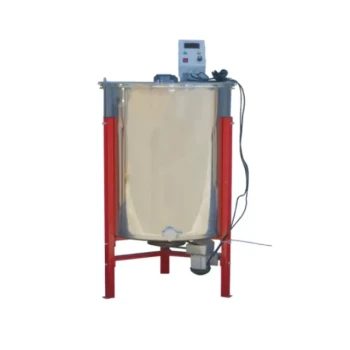
The adoption of modern harvesting and post-processing machinery fundamentally restructures the honey value chain by shifting the focus from labor-intensive manual extraction to precision-based industrial processing. This transition does more than just speed up operations; it directly increases the value distribution for producers by preventing flavor defects associated with traditional methods, such as excessive smoke or improper handling. By ensuring cleanliness at the source, modern equipment establishes the high-quality foundation necessary for premium grading, refining, and branded sales.
Core Takeaway Moving from manual to mechanical processing is not merely an efficiency upgrade; it is a prerequisite for capturing higher market value. By preserving the biological integrity of the comb and automating hygiene standards, producers can transition from selling a raw, variable commodity to a compliant, high-grade product suitable for global distribution.
Enhancing Production Efficiency and Yield
The Mechanics of Centrifugal Extraction
Traditional manual squeezing destroys the honeycomb, forcing bees to consume significant energy and time rebuilding wax structures.
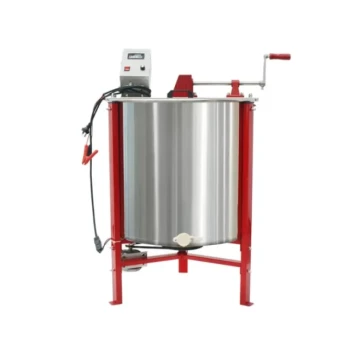
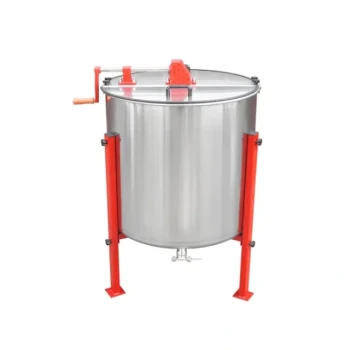
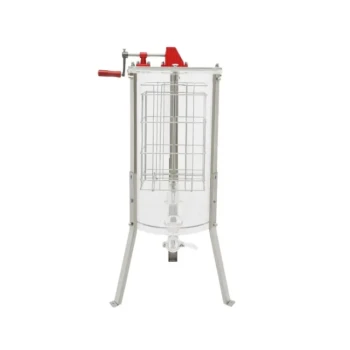
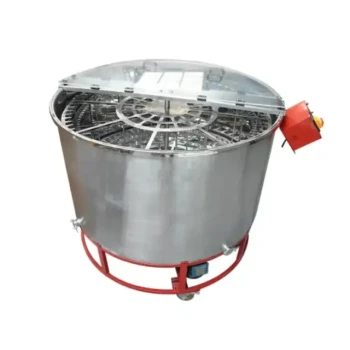
Centrifugal honey extractors solve this by using rotational force to separate honey while keeping the wax structure intact.
This allows beekeepers to return undamaged combs to the hive, significantly shortening the production cycle and increasing the overall honey yield per hive.
Reducing Labor Intensity
Manual harvesting is physically demanding and creates bottlenecks during peak harvest seasons.
Modern machinery drasticaly reduces this labor intensity, allowing operations to scale without a linear increase in workforce requirements.
This efficiency gains directly translates to improved operational margins for the producer.
Preserving Quality and Purity
Eliminating Contamination Risks
Manual handling and squeezing introduce significant risks of environmental pollutants and biological impurities.
Standardized processing equipment utilizes multi-stage filtration and closed-loop extraction to ensure product purity.
This creates a sterile barrier between the raw product and the environment, addressing the hygiene inefficiencies inherent in manual methods.
Preventing Flavor and Grade Degradation
Improper manual techniques, particularly the overuse of smoke to pacify bees, can permanently damage the honey's flavor profile.
Mechanical extraction eliminates the need for aggressive smoking and prevents the mixing of high-moisture, immature honey with mature batches.
The result is a higher grade of honey with a consistent flavor profile, which is essential for maintaining brand reputation.
Unlocking Downstream Value
Standardization and Compliance
To enter the global marketplace, honey products must meet rigorous food safety standards.
Automated filling and packaging lines ensure consistent volumes and sterile bottling, which are critical for regulatory compliance.
This is particularly vital for high-value medicinal honeys, where standardized filtration and clarification are mandatory for international export.
Reducing Waste and Loss
Manual processing often results in significant product loss due to spills, residue, and inefficient separation.
Industrial-grade equipment is designed to maximize extraction rates and minimize waste during the transition from raw honeycomb to retail packaging.
This precision directly improves the economic return on every kilogram of honey harvested.
Understanding the Operational Trade-offs
The Requirement for Modern Infrastructure
Leveraging these mechanical advantages requires a commitment to Modern Hive systems.
You cannot effectively use centrifugal extractors with traditional or wild-harvested nests that do not have removable frames.
Therefore, the shift to mechanization requires a holistic upgrade of the apiary infrastructure, not just the purchase of a single machine.
The Complexity of Standardization
While manual methods allow for flexibility, industrial lines require standardized inputs to function correctly.
Beekeepers must adopt strict management practices to ensure combs fit the machinery and honey maturity is uniform before extraction.
Failure to standardize the input (the raw frame) can lead to machinery jams or inconsistent filtration results.
Making the Right Choice for Your Operation
For producers looking to upgrade their value chain, the choice of equipment depends on your specific market targets.
- If your primary focus is Commercial Scalability: Prioritize automated filling and packaging machinery to maximize throughput, reduce waste, and ensure consistent volume for retail distribution.
- If your primary focus is Premium/Medicinal Quality: Invest heavily in centrifugal extractors and multi-stage filtration to preserve the wax structure and ensure the absolute highest hygiene standards for international compliance.
Ultimately, modern equipment is the bridge that allows producers to retain a larger share of the profit by delivering a cleaner, standardized, and market-ready product.
Summary Table:
| Feature | Traditional Manual Harvesting | Modern Mechanical Processing | Value Impact |
|---|---|---|---|
| Extraction Method | Manual Squeezing (Destroys Comb) | Centrifugal Force (Preserves Comb) | Faster Hive Recovery & Higher Yield |
| Hygiene & Purity | High Risk of Contamination | Closed-loop Multi-stage Filtration | Meets Global Food Safety Standards |
| Labor Efficiency | High Intensity; Seasonal Bottlenecks | Automated; Scalable Operations | Lower Operating Costs & Higher Margins |
| Product Quality | Inconsistent; Smoke Taint Risk | Standardized; Preserved Flavor Profile | Premium Grading & Brand Reputation |
| Waste Management | Significant Loss via Spillage | High-precision Recovery Systems | Maximized Revenue per Kilogram |
Transform Your Honey Production with HONESTBEE
Are you ready to transition from raw commodity sales to a high-margin, global brand? HONESTBEE specializes in empowering commercial apiaries and distributors with the precision tools needed to dominate the modern honey value chain. From high-capacity centrifugal extractors that preserve your valuable wax to automated honey-filling and packaging machines that ensure retail perfection, we provide the full spectrum of beekeeping hardware and essential industry consumables.
Partner with HONESTBEE to:
- Maximize Yield: Use our advanced machinery to reduce waste and shorten production cycles.
- Ensure Compliance: Meet international export standards with our sterile filtration and bottling lines.
- Scale Effortlessly: Replace labor-intensive bottlenecks with industrial-grade efficiency.
Contact our wholesale experts today to build your high-value production line!
References
- Mulubrihan Bayissa, Wim Verbeke. Challenges for Improved Production and Value Share Along the Honey Value Chain in Ethiopia. DOI: 10.3390/agriculture15171871
This article is also based on technical information from HonestBee Knowledge Base .
Related Products
- All-Stainless Steel Pivoting Honey Uncapping Fork for Beekeeping
- Stainless Steel Manual 8 Frame Radial Honey Extractor Machine for Beehives
- HONESTBEE 6 Frame Three Use Electric Honey Extractor for Beekeeping
- Fully Automatic Honey Filling Packaging Machine for Processing Line
- Economy Small Honey Filling Machine Honey Bottle Filler Packaging Machine
People Also Ask
- How does a honey uncapping fork supplement the use of an uncapping knife? Boost Your Honey Yield and Extraction Efficiency
- What is the design purpose of honey uncapping forks and honey uncapping tanks? Maximize Your Harvest Efficiency
- What are the essential tools for uncapping honey frames? Choose the Right Tool for Your Apiary
- What tools are used for honey uncapping? Choose the Right Knife for Your Harvest
- What are the tools used for uncapping honeycombs? Expert Guide to Tools & Functions for Maximum Yield