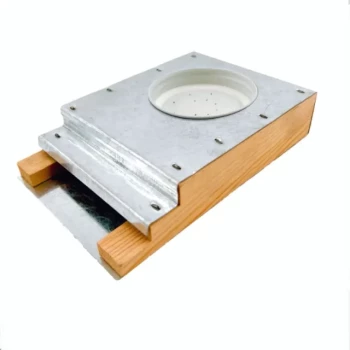
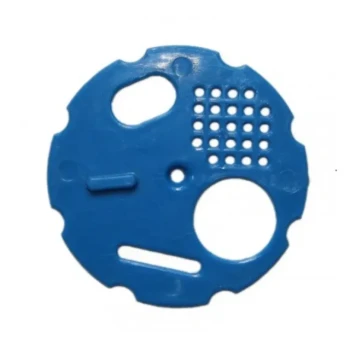
A beehive entrance reducer is a precise control mechanism designed to restrict the size of the opening into a bee colony. Typically manufactured as a thin bar of wood, metal, or plastic, it fits securely across the hive’s main entrance to significantly narrow the passageway. Its fundamental purpose is to grant the beekeeper ability to regulate traffic flow and minimize the physical vulnerability of the hive.
By narrowing the physical opening of the hive, the entrance reducer allows a colony to defend its resources with fewer guard bees while simultaneously blocking larger pests like mice.
The Strategic Value of Entrance Reduction
While the device itself is simple, its impact on colony survival is profound. It shifts the balance of power from external threats back to the colony.
Enhancing Colony Defense
The primary function of the reducer is to aid the colony in self-defense. A standard hive entrance is often too large for a developing colony to police effectively.
By shrinking the entrance, you reduce the surface area that "guard bees" must watch. This allows the colony to secure its perimeter with significantly fewer resources.
Protection for Weaker Colonies
This tool is particularly vital for younger or weaker colonies. A large entrance on a weak hive is an open invitation for trouble.
With a reduced entrance, a small population can successfully deny entry to intruders, ensuring they retain control over who enters their home.
Pest and Predator Management
Beyond managing bee traffic, the entrance reducer acts as a physical fortification against specific biological threats.
The "Mouse Guard" Function
Entrance reducers are frequently referred to as "mouse guards" for a practical reason. Mice often seek warmth and shelter inside hives, which can destroy the colony.
The reducer makes the opening physically too small for a mouse to squeeze through, effectively weatherproofing the hive against rodents.
Deterring Robbers
Honey bees face constant threats from "robbers," including yellow jackets and bees from competing colonies looking to steal honey.
A narrowed entrance creates a defensible chokepoint. This prevents robbers from overwhelming the hive in large numbers and allows the resident bees to fight off intruders one by one.
Operational Considerations
While the entrance reducer is a standard tool, its application depends on the specific materials used and the current state of the colony.
Material Options
As noted in the primary reference, these tools are available in wood, metal, or plastic. While the function remains the same, the durability and fit may vary slightly depending on the material chosen.
Adjusting for Colony Strength
The supplementary references highlight that reducers are especially useful for weaker colonies. As a colony grows in strength and population, the beekeeper must assess if the restriction is still necessary or if the bees have enough numbers to defend a larger entrance.
Making the Right Choice for Your Goal
To effectively utilize an entrance reducer, assess the current threats and the vitality of your bees.
- If your primary focus is protecting a weak colony: Install the reducer to minimize the defensive burden, allowing a small number of guard bees to secure the hive.
- If your primary focus is winter preparation: Utilize the reducer specifically as a mouse guard to prevent rodents from nesting inside the box.
- If your primary focus is preventing resource theft: Use the reducer to create a bottleneck that stops yellow jackets and robber bees from looting honey stores.
Ultimately, the entrance reducer is a force multiplier that helps your bees protect their resources and their young with maximum efficiency.
Summary Table:
| Feature | Description |
|---|---|
| Core Function | Restricts hive opening size to regulate traffic and security. |
| Materials | Durable wood, metal, or high-grade plastic. |
| Defense Mechanism | Creates a defensible chokepoint for guard bees. |
| Pest Protection | Blocks mice and prevents yellow jacket or robber bee invasions. |
| Target Use | Ideal for weak colonies, winterizing, and preventing honey theft. |
Secure Your Apiary Success with HONESTBEE
Maximize your colony's survival and productivity with professional-grade beekeeping solutions. At HONESTBEE, we specialize in supporting commercial apiaries and distributors with a comprehensive wholesale inventory.
From durable entrance reducers and specialized hive-making machinery to honey-filling equipment and essential consumables, our portfolio is designed to enhance your operational efficiency. Whether you are scaling a commercial bee farm or supplying the industry, we provide the tools and hardware you need to thrive.
Ready to upgrade your equipment? Contact us today to discover how our wholesale offerings can bring superior value to your business.
Related Products
- Steel Round Disc Entrance Reducer for Flexzion Bee Hive Nuc Box Gate
- Beehive Entrance Reducer Guardian Metal Hive Entrance for Bees
- HONESTBEE Entrance Bee Feeder Professional Hive Nutrition Solution for Beekeeping
- Beehive Entrance Discs Plastic Bee Entrance Disc for Bee Hives
- Professional Hive Front Entrance Bee Feeder
People Also Ask
- What is the purpose of an entrance reducer for a beehive? Strengthen Colony Defense and Prevent Robbery
- Why are entrance reducers used to counter hornet infestations? Protect Your Hive with Strategic Choke Points
- Why is it critical to maintain a smaller entrance for a newly established bee hive? Boost Colony Growth and Security
- Under what conditions should a beekeeper adjust the size of a beehive entrance? Seasonal & Defense Management Tips
- What is the function of an entrance reducer on a beehive? Strengthen Colony Defense and Climate Control