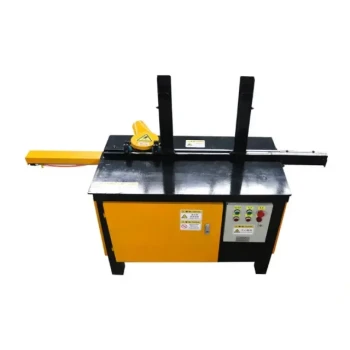
Technically defined, a top bar is the upper structural component of a standard rectangular bee frame. However, in specific beekeeping contexts, it refers to using this single wooden slat in isolation, stripping away the side bars, bottom bar, and foundation sheet to support the honeycomb from above only.
By removing the surrounding frame structure, a top bar facilitates natural beekeeping principles. It allows the colony to draw wax comb downwards from the bar freely, rather than being constrained by a four-sided frame or pre-stamped foundation.
The Function of the Top Bar
Component vs. Standalone System
In conventional beekeeping, the top bar is simply the "backbone" of a four-sided frame that holds a sheet of foundation. It provides the lugs (ears) that allow the frame to hang inside the hive box.
However, when used as a specific method, the top bar acts as the sole support structure. The beekeeper places the bar across the hive, and the bees utilize it as the starting point for their construction.
Promoting Natural Construction
The primary biological goal of using a top bar is to enable natural comb building.
Because there are no side or bottom bars to dictate the size or shape of the comb, bees build downwards according to their immediate needs. This mimics how bees build in the wild, such as inside a hollow tree.
Applications Across Hive Types
Warre and Top Bar Hives
The top bar is the defining feature of specific hive styles, most notably the Warre hive and the Top Bar hive.
In these systems, the hive architecture is designed entirely around this single-slat concept. The absence of a full frame reduces the cost of equipment and simplifies the internal geometry of the hive for the bees.
Adapting Langstroth Hives
Interestingly, this method is not limited to alternative hive styles.
Natural beekeepers often adapt standard Langstroth hives by utilizing top bars within standard boxes. This allows them to use widely available equipment while still permitting the bees to build natural comb without foundation.
Understanding the Trade-offs
Structural Stability
When you remove the bottom and side bars, you remove the "skeleton" that protects the comb.
Comb attached only to a top bar is naturally more fragile than comb secured within a full frame. Beekeepers must handle these bars with extreme care to prevent the heavy wax from breaking off during inspections.
Comb Management
Without a four-sided frame, bees have more freedom, which can sometimes lead to irregular construction.
Bees may occasionally attach the comb to the walls of the hive box since there are no side bars to act as a barrier. This requires the beekeeper to carefully separate the comb from the hive body before lifting the bar.
Making the Right Choice for Your Goal
To decide if a top bar system is right for you, consider your philosophy regarding hive management and bee biology.
- If your primary focus is natural comb construction: Use top bars to allow the colony to manage their own cell sizes and comb structure without artificial guides.
- If your primary focus is equipment compatibility: Consider using top bars within a standard Langstroth box to blend natural principles with standard availability.
Embracing the top bar method shifts the priority from maximum honey extraction ease to respecting the bee's natural instinct for architecture.
Summary Table:
| Feature | Standard Frame Component | Standalone Top Bar |
|---|---|---|
| Structure | 4-sided with foundation | Single wooden slat |
| Comb Type | Pre-defined by foundation | Free-form natural wax |
| Hive Compatibility | Langstroth | Warre, Top Bar, & Adapted Langstroth |
| Durability | High (supported by frame) | Fragile (requires careful handling) |
| Management Goal | Maximum extraction efficiency | Natural bee biology & architecture |
Elevate Your Beekeeping Operation with HONESTBEE
Whether you are managing a commercial apiary or supplying the next generation of beekeepers, HONESTBEE provides the professional-grade tools you need to succeed. From precision-engineered hive-making machinery to a full spectrum of wholesale beekeeping equipment and consumables, we cater to the diverse needs of distributors and large-scale operators worldwide.
Our Value to You:
- Comprehensive Wholesale Catalog: Access everything from specialized hardware to honey-themed cultural merchandise.
- Industrial-Scale Solutions: High-efficiency honey-filling and hive-manufacturing machines.
- Quality Guarantee: Reliable tools designed for both natural beekeeping methods and intensive commercial production.
Ready to scale your business? Contact HONESTBEE today for a tailored wholesale quote and discover how our equipment can streamline your operations.
Related Products
- Top Bar Beehive for Beekeeping Wholesales Kenya Top Bar Hive
- HONESTBEE Top Bar & Bottom Bar Forming Machine | Bee Frame Machine
- Professional Hive Top Bee Feeder for Beekeeping
- HONESTBEE Bee Frame Grooving Machine | Precision Slotting for Bee Frame Making
- Long Langstroth Style Horizontal Top Bar Hive for Wholesale
People Also Ask
- How is burr comb and propolis removed from a top bar hive? A Practical Guide for Hive Maintenance
- How does comb construction differ between a top bar hive and a Langstroth hive? Choose the Best Method for Your Apiary
- Why do top bar hives require beekeepers to detach comb? Master the Detach-then-Lift Technique for Comb Safety
- How does the design of a top bar hive minimize disturbance to the bees during inspection? Achieve a Calmer, More Natural Approach
- What are the main differences between a top bar hive and a Langstroth hive? A Guide to Choosing Your Hive