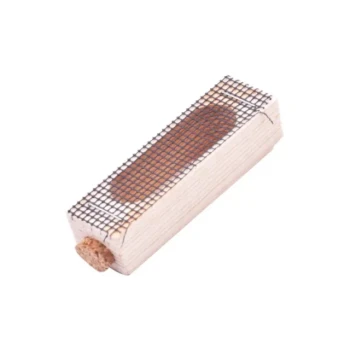
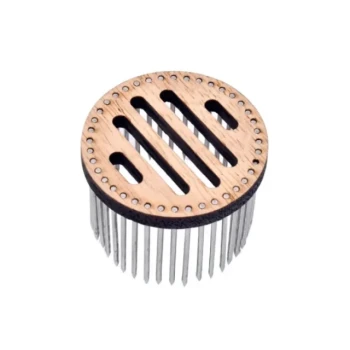
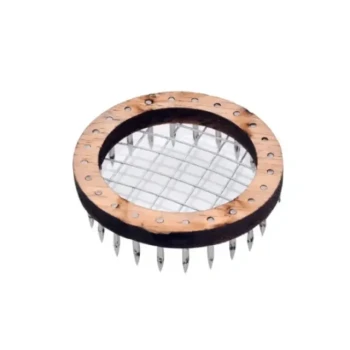
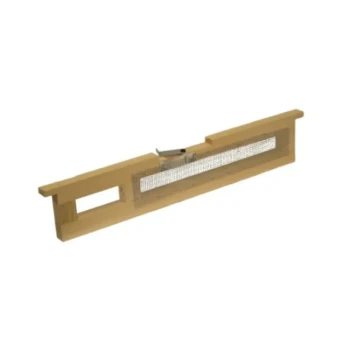
Specialized laboratory bee cages are the standard tool for isolating the variable of chemical exposure in honeybee research. These cages allow researchers to assess sub-lethal effects by creating a highly controlled environment where food intake is precisely regulated and external environmental factors are eliminated. This isolation enables the accurate measurement of specific physiological impacts, such as changes in lifespan, midgut integrity, and cell mortality rates.
By removing environmental variability and nutritional stress, laboratory cages ensure that observed health declines are directly attributable to the pesticide or additive being tested, rather than random field conditions.
The Mechanics of Control and Isolation
Eliminating Environmental Variables
The primary application of these cages is to provide a highly controlled and isolated environment. In the wild, temperature fluctuations, humidity, and varying food sources can skew toxicological data.
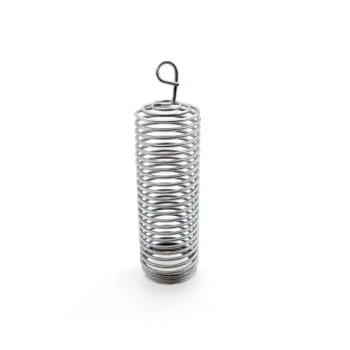
Laboratory cages, often constructed with a metal mesh structure, ensure proper ventilation and air exchange while preventing escape. This standardization allows researchers to test worker bees in a vacuum of sorts, where the only changing variable is the introduction of the substance in question.
Precise Regulation of Food Intake
To measure toxicity accurately, researchers must know exactly how much of a substance a bee has ingested. Specialized cages are designed to accommodate specialized feeding devices or automatic feeders.
These feeders provide a continuous supply of sugar syrup, simulating a natural feeding environment to prevent starvation or nutritional stress. This setup allows for the quantitative delivery of pesticides or additives (such as HMF), ensuring the dosage is exact and consistent across test groups.
Assessing Specific Sub-lethal Effects
Monitoring Lifespan and Survival Rates
While acute toxicity kills immediately, sub-lethal effects slowly degrade health. Cages facilitate the continuous observation of bees over critical windows, typically 24 to 48 hours.
Researchers use this timeline to monitor survival rates and distinguish between substances that are toxic to target pests and those that are safe for beneficial insects. This distinction is vital for developing agricultural products that protect crops without wiping out pollinators.
Physiological Integrity
Beyond simple survival, these cages are used to investigate internal damage. The primary reference highlights that these tools are essential for observing effects on midgut integrity and cell mortality rates.
By confining the bees, researchers can collect samples to analyze how additives or pesticides degrade cellular health or digestive function, providing a deeper understanding of toxicity that goes beyond a simple "dead or alive" count.
Understanding the Trade-offs
Isolation vs. Natural Behavior
While laboratory cages are superior for physiological analysis, they represent an artificial environment. The isolation eliminates the social structure of the colony, which is a significant factor in honeybee health.
Physiological vs. Behavioral Metrics
These cages are excellent for measuring individual physiological data (e.g., gut health, lifespan). However, they are less effective for assessing complex behavioral sub-lethal effects, such as navigation or foraging efficiency, which require open-field tools like automatic bee counters.
Making the Right Choice for Your Goal
To maximize the value of your toxicological study, align your tools with your specific data requirements:
- If your primary focus is precise physiological data: Use laboratory cages to isolate variables and measure internal markers like midgut integrity and cell mortality without environmental noise.
- If your primary focus is regulatory safety testing: Leverage the standardized 24-48 hour feeding protocols to provide clear, quantitative evidence regarding the safety of a substance for beneficial insects.
The specialized laboratory bee cage is the definitive instrument for transforming anecdotal observation into rigorous, reproducible toxicological data.
Summary Table:
| Feature | Laboratory Bee Cage Application | Research Benefit |
|---|---|---|
| Environment | Controlled isolation with metal mesh structure | Eliminates environmental noise (temp/humidity) |
| Feeding | Specialized automatic feeders | Precise regulation and quantification of dosage |
| Metrics | Continuous monitoring (24-48 hours) | Accurately assesses lifespan and survival rates |
| Physiology | Internal sample collection | Evaluates midgut integrity and cell mortality |
| Reliability | Standardized testing protocols | Ensures rigorous and reproducible scientific data |
Elevate Your Bee Research and Commercial Operations with HONESTBEE
At HONESTBEE, we understand that precision is the foundation of a thriving apiary business. Whether you are a commercial apiary seeking to improve colony health or a distributor looking to supply the highest quality tools, we provide the comprehensive solutions you need.
Our extensive portfolio includes everything from specialized laboratory hardware and hive-making machines to honey-filling equipment and industry consumables. We empower our partners with the technical tools required to navigate the complexities of honeybee health and productivity.
Ready to scale your operation or upgrade your equipment? Contact HONESTBEE today to explore our wholesale offerings and discover how our expertise can drive your success in the beekeeping industry.
References
- Aleš Gregorc. Monitoring of Honey Bee Colony Losses: A Special Issue. DOI: 10.3390/d12100403
This article is also based on technical information from HonestBee Knowledge Base .
Related Products
- Durable Galvanized Steel Spring Queen Bee Cage
- Professional Bamboo Queen Isolation Cage
- Professional Queen Bee Introduction and Transport Cage
- Professional Multi-Functional Queen Bee Cage
- Professional Queen Cage with Sliding Gate and Feeder Plug
People Also Ask
- Why are specialized queen bee cages used for the banking of mated queen bees? Maximize Commercial Apiary Storage Efficiency
- What is the mechanism of action for using temporary queen bee cages? Master Successful Queen Introduction
- What is the step-by-step process for installing a queen bee's cage onto a frame? Ensure Hive Acceptance Safely
- What is the optimal placement for a queen bee cage? Essential Strategies for Successful Re-queening
- What are the advantages and disadvantages of introducing a queen bee by embedding the cage? Boost Your Queen Acceptance