The correct procedure for setting up hive frames involves a strict sequence of inspection, assembly, and precise alignment. You must begin by inspecting all components for defects, then securing the foundation so that all edges fit snugly within the frame. Assemble the structural bars—top, side, and bottom—using nails or assembly tools, and finally insert the frames into the hive box with even spacing to optimize airflow and comb construction.
A well-assembled hive frame is the structural backbone of the colony. Precision during the setup phase prevents future comb cross-bridging and ensures adequate ventilation for the bees.
The Assembly Phase
Component Inspection
Before beginning construction, unpack and inspect every component. You are looking for splits in the wood, warped bars, or defects in the plastic foundation. Using defective parts now will compromise the structural integrity of the hive later when it is heavy with honey and brood.
Securing the Foundation
The foundation serves as the guide for the bees to build their comb. Secure the foundation to the frame carefully, ensuring that all edges fit snugly into the grooves. A loose foundation can lead to wavy or collapsed comb, which disrupts colony organization.
Constructing the Frame Structure
Once the foundation is seated, assemble the frame by attaching the top, side, and bottom bars. Use nails or specialized assembly tools to fasten these components together. Verify that the final structure is solid and rigid before moving to installation.
Installation and Hive Configuration
Inserting the Frames
Place the assembled frames into the beehive box. It is critical to space them evenly across the width of the box. Proper spacing is not just an aesthetic choice; it directly impacts the bees' ability to navigate the hive.
Optimizing Airflow and Comb Building
Even spacing maximizes airflow throughout the hive, which is essential for temperature regulation. It also facilitates efficient comb building, encouraging the bees to draw out straight, uniform combs rather than bridging gaps between frames.
Leveling and Alignment
Ensure that every frame is level and properly aligned. Misalignment can cause the bees to build "burr comb" (unwanted comb connecting frames), making future inspections difficult and messy.
Critical Considerations: Accessories and Pitfalls
Integrating Pest Control Devices
If your setup involves accessories such as beetle traps, precision is non-negotiable. When placing a beetle trap, you must push the trap down until it is completely flush with the top of the frames.
The Risk of Vertical Gaps
Leaving space between the bottom of a trap and the top of the frames creates a physical barrier or a hiding spot that can hinder hive management. No space should be left exposed; a flush fit ensures the frames remain accessible and the hive cover sits flat.
Ensuring Long-Term Hive Health
The goal of frame setup is to create a standardized environment where bees can work efficiently and beekeepers can inspect without damage.
- If your primary focus is Structural Integrity: Prioritize the snug fit of the foundation and the solidity of the nail points to prevent frame failure under load.
- If your primary focus is Pest Management: Ensure all integrated traps are pressed completely flush with the frame tops to maintain a tight, secure hive seal.
Precision in assembly today prevents management headaches tomorrow.
Summary Table:
| Setup Step | Key Action | Primary Benefit |
|---|---|---|
| Inspection | Check for warped wood or foundation defects | Ensures structural integrity under honey weight |
| Foundation | Secure tightly into frame grooves | Prevents wavy or collapsed comb construction |
| Assembly | Nail top, side, and bottom bars rigidly | Creates a durable frame for long-term use |
| Spacing | Align frames evenly with no vertical gaps | Optimizes airflow and prevents messy burr comb |
| Accessories | Push beetle traps flush with frame tops | Maintains hive seal and effective pest control |
Elevate Your Apiary with HONESTBEE Precision Equipment
As a commercial apiary or distributor, your success depends on the structural reliability of your hive components. HONESTBEE provides the industry's most comprehensive wholesale range of professional beekeeping tools, specialized machinery, and essential consumables designed for scale.
From high-capacity honey-filling machines and automated hive-making hardware to premium frames and cultural merchandise, we deliver the quality you need to optimize your production.
Ready to scale your operation? Contact HONESTBEE today to discuss our wholesale offerings and discover how our expertise can streamline your beekeeping business.
Related Products
- Wooden Bee Hive Frames for Beekeeping and Wholesale
- Plastic Bee Frame Beekeeping Hive Frames for Wholesale
- Professional Galvanized Steel Frame Rest for Beehives
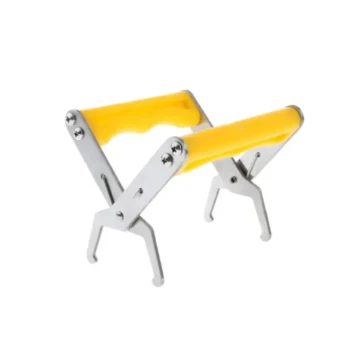
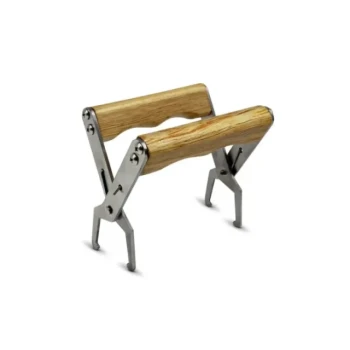
- Ergonomic High Visibility Plastic Frame Grip Handles
- Precision Stainless Steel Frame Cleaner for Hive Grooves and Corners
People Also Ask
- How do wooden and plastic hive frames compare in terms of durability? Wood vs. Plastic Longevity & Repairability
- How does balancing the number of frames impact hive productivity? Optimize Your Apiary's Biological Output
- What are the main considerations when choosing between wooden and plastic bee hive frames? Optimize Your Apiary's Efficiency
- How should beehive frames be maintained to prolong their lifespan? 5 Pro Tips for Durable Beekeeping Equipment
- What is the primary function of frames within a beehive system? Structural Foundation and Hive Management