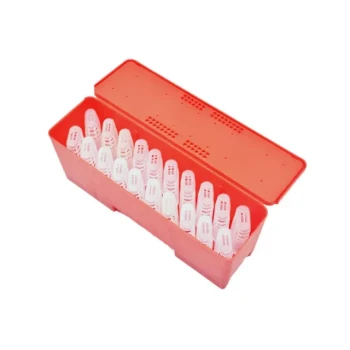
The design logic behind specialized boxes for Tetragonula laeviceps is rooted in biological mimicry. These units are engineered with compact dimensions, typically 15x15x30 cm, to replicate the naturally confined nesting cavities favored by these small-bodied insects. This specific sizing is critical because it accommodates the species' lower honey yield and ensures the colony can effectively regulate its environment.
The core philosophy is to align the artificial structure with the bee's natural survival habits. By scaling the hive down to match the physical limitations of the colony, these boxes enable stable urban pollination and the hygienic production of high-value medicinal honey.
Replicating the Natural Environment
Scaling for Biological Needs
The primary driver for the box's small footprint is the physical size of the bee. Tetragonula laeviceps is significantly smaller than standard honey bees, meaning their colonies require less volume.
A box that is too large would be difficult for the colony to defend and thermoregulate. The 15x15x30 cm dimension provides the precise spatial constraints the bees need to thrive.
Environmental Protection
In the wild, these bees seek out small, sheltered voids. The specialized box mimics this by offering a controlled environment.
This structure protects the colony from extreme weather fluctuations. It also serves as a physical barrier against pests that would otherwise threaten a colony in an open or less secure natural cavity.
Optimizing for Management and Yield
Standardization for Efficiency
While the inside mimics nature, the outside is designed for the beekeeper. Standardized dimensions allow for consistent management practices.
This uniformity enables beekeepers to perform colony inspections efficiently. It also simplifies the process of colony splitting, which is essential for expanding apiaries without relying on wild swarms.
Hygienic Harvesting
The internal design logic prioritizes the cleanliness of the yield. Because these bees produce medicinal-grade honey and propolis, preventing contamination is paramount.
The box structure separates storage zones from brood zones. This ensures that harvesting does not damage the colony's core population and maintains the purity of the commercial yield.
Urban Integration
The compact design logic serves a logistical purpose: space efficiency.
Because the boxes are small and self-contained, they can be easily integrated into residential areas or limited shelters. This facilitates pollination in dense urban environments where traditional, large-scale hives would be impractical.
Understanding the Trade-offs
Yield Limitations
The most significant trade-off of this design is volume. Because the box is scaled to the bee's biology, the honey yield is inherently lower than that of larger commercial species (like Apis mellifera).
Management Frequency
Small boxes fill up relatively quickly. While this indicates a healthy colony, it may require more frequent monitoring for splitting to prevent overcrowding, compared to larger hives that have more buffer space.
Making the Right Choice for Your Goal
If you are considering adopting this specific hive design, align it with your objectives:
- If your primary focus is Urban Agriculture: The compact 15x15x30 cm footprint allows you to integrate pollination systems into small backyards or balconies without disrupting the residential setting.
- If your primary focus is Commercial Production: You must focus on the value rather than the volume of the yield, targeting the niche market for high-quality medicinal honey and propolis.
- If your primary focus is Colony Health: The standardized design offers the best protection against environmental stress and pests, ensuring higher survival rates than non-standardized shelters.
Success with Tetragonula laeviceps relies on respecting the relationship between the hive's volume and the colony's natural capacity.
Summary Table:
| Feature | Design Specification | Biological & Management Benefit |
|---|---|---|
| Core Dimensions | 15 x 15 x 30 cm | Mimics natural cavities; facilitates thermoregulation and defense. |
| Internal Zoning | Separated Brood/Storage | Ensures hygienic harvesting of medicinal honey and propolis. |
| Material Scaling | Compact Footprint | Ideal for urban integration and high-density residential pollination. |
| Management | Standardized Structure | Simplifies colony splitting and routine inspections for distributors. |
Scale Your Apiary with Precision-Engineered Stingless Bee Hives
Maximize your yields of high-value medicinal honey with HONESTBEE. As a premier provider for commercial apiaries and global distributors, we offer a comprehensive wholesale range of beekeeping tools, specialized hive-making machinery, and honey-filling equipment. Whether you are expanding into urban pollination or seeking specialized hardware for Tetragonula laeviceps, our portfolio delivers the durability and efficiency your business demands.
Empower your beekeeping operations with industry-leading technology—Contact us today to explore our wholesale solutions!
References
- Nadzirum Mubin, DADANG DADANG. Detection of imidacloprid and deltamethrin pesticide residues in honey produced by Apis mellifera and Tetragonula laeviceps. DOI: 10.1088/1755-1315/1133/1/012029
This article is also based on technical information from HonestBee Knowledge Base .
Related Products
- Plastic Transporting Bee Packages and Nuc Boxes for Beekeeping
- High-Performance Langstroth Bee Hives for Global Professional Beekeeping
- Australian Langstroth Beehive Boxes for Beekeeping Wholesales
- Metal Bee Hive Stand Bee Box Stand for Beekeeping
- Langstroth Honey Bee Box Hive Boxes for Different Depths
People Also Ask
- What role do bee package boxes play in the commercial transport and expansion of honeybee colonies? - Logistic Essentials
- What are beekeeping boxes called? A Guide to Hive Bodies and Box Types
- How do standardized bee packages serve as a recovery mechanism for commercial beekeeping? Ensure Business Continuity
- What is the commercial value of using standardized bee packages? Drive Scalability in Large-Scale Apiaries
- Why is the timely introduction of high-quality bee packages critical? Save Your Apiary from Asian Hornet Invasions