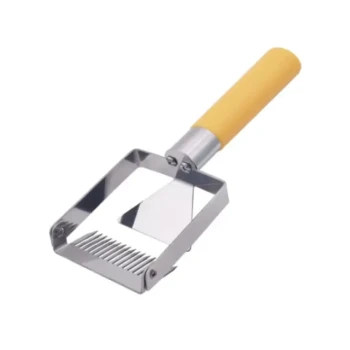
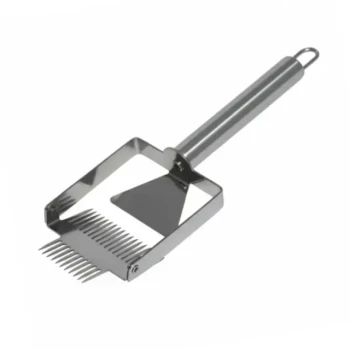
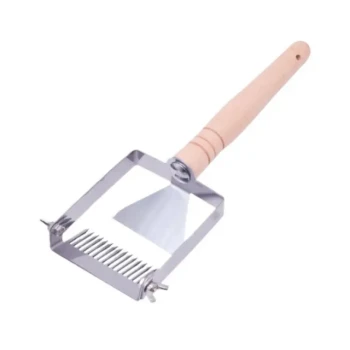
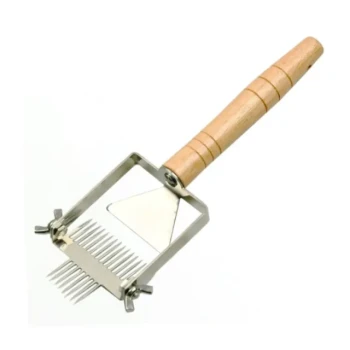
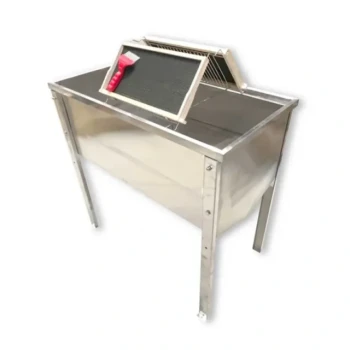
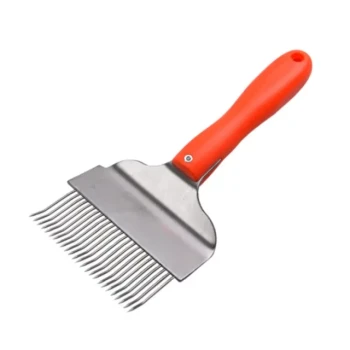
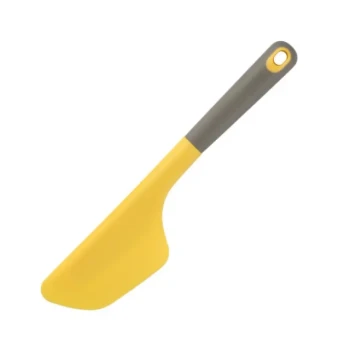
The critical first step after removing honey frames from the supers is to remove the thin layer of beeswax that seals the honey within the cells. This specific layer is known as the capping, and the process of removing it is technically referred to as uncapping.
The beeswax capping serves as an airtight seal that preserves the honey. Before extraction can occur, this seal must be physically removed or pierced to allow the honey to flow out of the comb.
Understanding the Uncapping Process
The Purpose of Capping
Bees produce a thin layer of fresh wax to seal honey cells once the nectar has cured to the correct moisture content. This capping protects the honey from moisture and impurities.
Why Removal is Necessary
For honey to be extracted via centrifugal force, the physical barrier over the cell must be eliminated. If the capping remains intact, the honey will stay trapped inside the comb regardless of how fast the extractor spins.
Tools and Techniques
Heated Uncapping Knives
An electric heated uncapping knife is a common tool for this process. The heat allows the blade to slice smoothly through the wax caps with minimal effort, resulting in a clean cut.
Cold Uncapping Knives
A standard, unheated knife can also be used to slice off the cappings. To mimic the efficiency of a heated tool, beekeepers often dip the blade into very hot water to help it glide through the wax.
Rollers and Slicers
Alternatively, tools like rollers or slicers can be used. Instead of slicing the wax sheet off entirely, a roller pierces the cappings, opening the cells sufficiently for extraction without removing a large sheet of wax.
Understanding the Trade-offs
Equipment vs. Method
Uncapping is a mandatory step only if you are using a centrifugal honey extractor. This method preserves the wax comb, allowing you to return the empty frames to the hive for reuse.
The Crush-and-Strain Exception
If you do not have an extractor, you may opt for the crush-and-strain method. In this scenario, uncapping is skipped entirely; instead, the entire comb is broken and strained, which destroys the structure but requires fewer specialized tools.
Making the Right Choice for Your Goal
Selecting the right approach depends heavily on your equipment and the volume of honey you are processing.
- If your primary focus is volume and speed: Use an electric heated knife to quickly process many frames with less physical fatigue.
- If your primary focus is low-cost entry: Use a cold knife dipped in hot water or a scratching tool, which requires more labor but minimal investment.
- If your primary focus is simplicity without machinery: Skip uncapping and use the crush-and-strain method, understanding that the bees must rebuild the comb next season.
Properly preparing your frames ensures a smooth extraction and maximizes your harvest yield.
Summary Table:
| Method | Primary Tool | Best For | Key Advantage |
|---|---|---|---|
| Heated Uncapping | Electric Knife | High-volume apiaries | Fast, clean cuts with minimal physical effort |
| Cold Uncapping | Standard Knife/Water | Small-scale hobbyists | Low cost; utilizes existing household tools |
| Piercing | Capping Roller | Preservationists | Opens cells without removing significant wax |
| Crush & Strain | Hive Tool/Sieve | No-extractor setups | Simplest method; requires no specialized machinery |
Maximize Your Honey Yield with HONESTBEE
Efficient honey production starts with the right equipment. HONESTBEE specializes in supporting commercial apiaries and distributors with a professional-grade selection of beekeeping tools and machinery. From specialized hive-making and honey-filling machines to precision uncapping tools and centrifugal extractors, we provide the comprehensive wholesale solutions your business needs to scale.
Whether you are looking to upgrade your extraction line or source high-quality industry consumables, our team is ready to provide the expertise and hardware you require.
Ready to streamline your apiary operations?
Contact HONESTBEE Today
Related Products
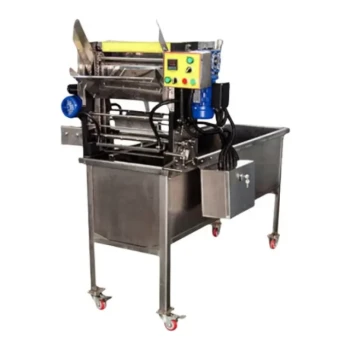
- Automatic Honey Frame Uncapper Machine for Beekeeping
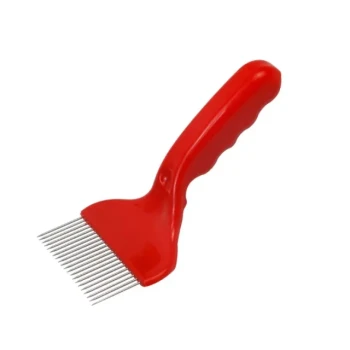
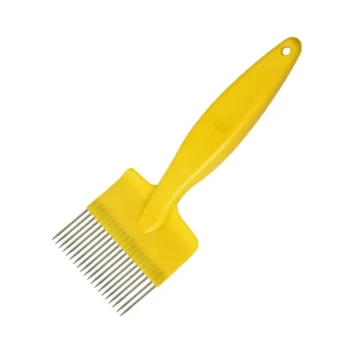
- Professional Wide Head Honey Uncapping Fork for Beekeeping
- All-Stainless Steel Pivoting Honey Uncapping Fork for Beekeeping
- Professional Durable Plastic Handle Honey Uncapping Fork
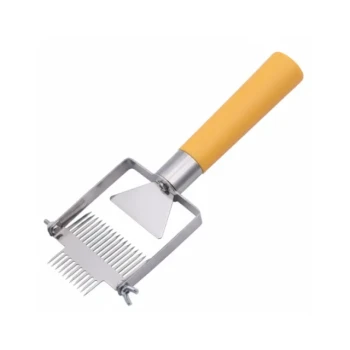
- Double Sided Adjustable Honey Uncapping Fork with Plastic Handle
People Also Ask
- What is the primary goal when choosing an uncapping method? Maximize Honey Yield & Comb Integrity
- What is the process of uncapping frames in beekeeping? Master the Best Methods for Maximum Honey Yield
- How are honey frames prepared before extraction? Master the Hive-to-Honey-House Process
- What is the process of uncapping honey frames before extraction? Expert Guide to Efficient Honey Harvesting
- What specialized tools are used to uncap honey frames prior to extraction? Top Uncapping Tools for Efficient Harvesting