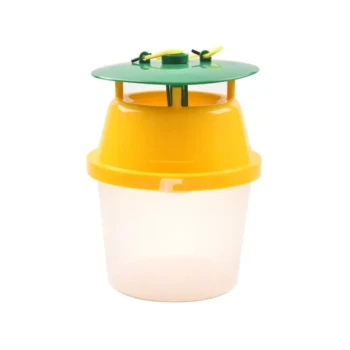
A dead bee trap is a critical forensic tool specifically designed to capture and preserve honeybees that have died or are dying from acute poisoning. By installing this device at the bottom of the hive, researchers systematically intercept biological samples that would otherwise be ejected during natural hive cleaning or lost to the environment.
The core challenge in monitoring hive health is that bees naturally hide evidence of death through hygienic behavior. The dead bee trap solves this by mechanically retaining casualties, providing the tangible proof necessary to calculate mortality rates and conduct accurate toxicological screenings.
The Mechanics of Accurate Monitoring
Overcoming Natural Hygienic Behavior
Honeybees possess a strong instinct to maintain hive hygiene. Under normal circumstances, worker bees will quickly identify and physically remove dead bodies from the colony.
Without a trap, these bodies would be carried away and lost in the surrounding field. The trap interferes with this process, retaining the dead bees in a secure collection zone for analysis.
Preventing External Scavenging
(See Supplementary References) Beyond the bees' own cleaning efforts, external factors threaten data integrity. Birds, ants, and other scavengers frequently feed on dead bees found near hive entrances.
Specialized bee traps are designed to physically block these scavengers. This ensures that the mortality count reflects the actual biological impact on the colony, rather than what remains after predators have fed.
The Value of Collected Data
Establishing Mortality Rates
To understand the severity of a poisoning event, you need quantitative data. The trap converts a biological event into a numerical value.
By counting the retained bees over specific intervals, researchers can establish objective mortality rates. This serves as a direct physiological feedback mechanism regarding colony health.
Facilitating Toxicological Screening
Confirming the presence of pesticides requires physical evidence. The dead bees collected by the trap serve as the essential biological samples for this process.
These samples allow laboratories to perform toxicological screenings. This links the observed mortality directly to specific chemical exposures or pathogen infestations.
Operational Considerations
The Limit of Hive-Based Detection
It is important to recognize that these traps only collect bees that manage to return to or remain within the hive.
Bees suffering from immediate, acute poisoning in the field may die before returning. Therefore, while the trap provides critical data, it specifically measures mortality occurring at the colony site.
The Necessity of Systematic Collection
The device is described as "systematically" retaining samples. This implies that for the data to remain viable, the trap must be checked and emptied regularly.
Failure to retrieve samples promptly could lead to decay, which would compromise the quality of the biomass needed for accurate laboratory screening.
Ensuring Data Integrity in Toxicology Studies
To effectively use a dead bee trap, you must align its function with your specific research or monitoring goals.
- If your primary focus is establishing severity: Rely on the total count of trapped bees to calculate a precise colony mortality rate over time.
- If your primary focus is identifying the cause: Prioritize the retrieval of fresh samples from the trap to ensure high-quality biological material for toxicological screening.
By securing the physical evidence of colony loss, the dead bee trap transforms anecdotal observation into verifiable scientific data.
Summary Table:
| Feature | Primary Function | Benefit to Beekeeper |
|---|---|---|
| Specimen Retention | Overcomes hygienic behavior to capture casualties | Provides accurate mortality rate data |
| Scavenger Block | Prevents birds and ants from removing dead bees | Ensures data integrity for forensic analysis |
| Toxicological Access | Secures fresh biological samples | Enables precise pesticide and pathogen screening |
| Systematic Design | Bottom-mounted mechanical collection | Simplifies colony health monitoring and auditing |
Secure Your Apiary’s Health with HONESTBEE Solutions
Protecting your commercial investment requires the right tools and data. At HONESTBEE, we specialize in supporting commercial apiaries and distributors with a comprehensive range of professional beekeeping machinery, tools, and consumables. Whether you need specialized hive-making equipment to scale your operations or high-precision honey-filling machines to streamline production, our portfolio is designed to enhance your efficiency and profitability.
Don't leave your colony health to chance. Contact us today to explore our wholesale offerings and discover how our expert-grade beekeeping equipment can add value to your business.
References
- Mara Gasparini, Michele Mortarino. Safeguarding Bee Health: Insights from a Collaborative Monitoring and Prevention Project Against Pesticide Poisonings. DOI: 10.3390/ani15030449
This article is also based on technical information from HonestBee Knowledge Base .
Related Products
- HONESTBEE Collapsible Tiered Bee Swarm Catcher for Beekeeping
- 30 cm Plastic Entrance Hole Bee Pollen Trap and Collector
- Black Plastic Beetle Barn Hive Beetle Trap for Beehives
- Removable Plastic Pollen Trap With Ventilated Tray for Bees Pollen Collector
- Plastic Bee Pollen Trap Strips Comb Catcher Collector
People Also Ask
- What should be done if the swarm is situated on the bottom of a tree limb? A Guide to Methodical Bee Capture
- What role do swarm catchers play in maintaining the production scale of an apiary? Turn Colony Loss into Growth.
- What role does a Swarm Catcher play in the process of expanding apiary colony scale? Optimize Growth & Reduce Costs
- What precautions can be taken to prevent a newly captured swarm from absconding? Secure Your Swarm with Proven Methods
- What information should be gathered before attempting to catch a swarm of bees? A Safe and Successful Guide