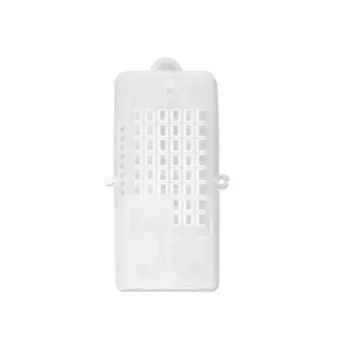
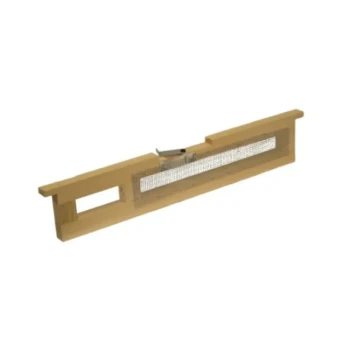
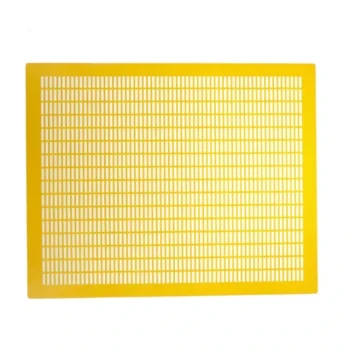
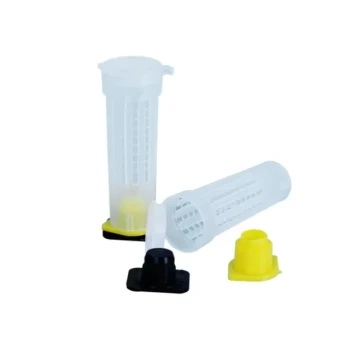
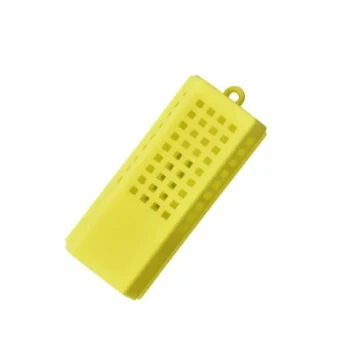
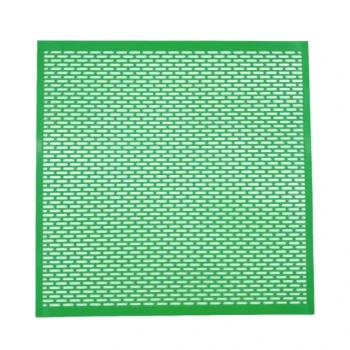
The divider board with a fence acts as a precision control mechanism for egg-laying. By physically isolating the mother queen to a specific area of the comb, it compels her to lay eggs within a restricted space over a defined period. This ensures that every egg collected is fertilized and falls within a uniform age range, which is the critical first step in high-quality queen rearing.
Core Takeaway Successful queen rearing relies entirely on the precise age of the larvae used. The divider board eliminates guesswork by creating a "batch" of eggs laid within the same 24-hour window, guaranteeing a supply of larvae at the exact developmental stage required for optimal grafting.
The Mechanics of Isolation
Defining the Laying Area
The primary function of the divider board is confinement. It partitions the hive, restricting the queen's movement to a single frame or a specific section of a frame.
Synchronizing the Timeline
Without a divider, a queen lays eggs sporadically across multiple frames. The divider board forces synchronization. Because the queen is confined, all eggs on that specific comb are laid within the duration of her confinement.
Targeting the 0-24 Hour Window
The ultimate goal of this equipment is to produce larvae that are exactly 0-24 hours old after hatching. This narrow window is the "gold standard" for grafting, as it ensures the larvae are young enough to be fully transitioned into queen cells.
Impact on Queen Quality
Ensuring Developmental Consistency
Using larvae of identical ages prevents developmental disparities among the virgin queens. When all queen cells start with larvae of the same age, they hatch on the same schedule. This simplifies management and reduces the risk of an early-hatching queen destroying her sisters.
Physiological Vitality
The quality of a future queen is determined largely by how early the larva begins its diet of royal jelly. By ensuring you graft only the youngest larvae (0-24 hours), the divider board directly contributes to the physiological vitality and reproductive longevity of the resulting queens.
Understanding the Trade-offs
Management Intensity
Using a divider board adds a step to your workflow. You must locate the queen, install the hardware, and return precisely 3-4 days later (once eggs have hatched) to graft. It requires strict adherence to a calendar.
Space Limitations
Confining a prolific queen to a single frame for too long can lead to overcrowding on that specific comb. It is essential to remove the restriction once the necessary eggs are laid to avoid stressing the queen or inducing swarm behavior.
Making the Right Choice for Your Goal
The divider board is not just a barrier; it is a tool for standardization. Here is how to apply it to your specific objectives:
- If your primary focus is maximum quality: Use the divider board to ensure you are grafting only the youngest, most receptive larvae to maximize the fertility of your future queens.
- If your primary focus is workflow efficiency: Use the divider board to "batch" your larvae, ensuring that all grafting can be done in a single session without searching multiple frames for suitable candidates.
Precision in the egg-laying stage is the only way to guarantee excellence in the resulting colony.
Summary Table:
| Feature | Function in Queen Rearing | Primary Benefit |
|---|---|---|
| Physical Isolation | Restricts queen to a specific frame section | Ensures all eggs are laid in a targeted area |
| Time Synchronization | Forces egg-laying within a set window | Guarantees larvae are the same developmental age |
| Batch Control | Creates a 0-24 hour larval hatching cycle | Simplifies grafting and prevents early-hatching issues |
| Quality Assurance | Facilitates early royal jelly feeding | Maximizes reproductive longevity and queen vitality |
Elevate Your Queen Rearing Standards with HONESTBEE
Precision is the backbone of a successful commercial apiary. At HONESTBEE, we specialize in empowering professional beekeepers and distributors with high-performance tools designed for excellence. Whether you need specialized hive-making machinery, honey-filling solutions, or professional-grade queen rearing equipment, our comprehensive wholesale portfolio is built to scale your operations.
From essential consumables to industrial-grade hardware, we provide the reliable equipment necessary to ensure every batch of queens meets the highest physiological standards. Partner with an industry leader who understands your growth needs.
Ready to optimize your apiary’s efficiency? Contact us today to explore our wholesale offerings!
References
- Mahir Murat Cengiz, Cemal Dülger. Gezginci ve Sabit Arıcılık İşletmelerinde Kontrollü Şartlarda Yetiştirilen Ana Arılarla Oluşturulan Balarısı (Apis Mellifera L.) Kolonilerinin Bazı Fizyolojik Özelliklerinin Belirlenmesi. DOI: 10.17094/ataunivbd.309110
This article is also based on technical information from HonestBee Knowledge Base .
Related Products
- JZBZ Langstroth Queen Rearing Frame for Beekeeping
- Portable Bee Mating Hive Boxes Mini Mating Nucs 8 Frames for Queen Rearing
- Professional Multi-Functional Queen Bee Cage
- Premium Nicot Style Cell Bar Holder and Queen Cell Cup Holder System
- JZBZ Style Push-In Cell Protector for Professional Queen Rearing Kits
People Also Ask
- Why use finishing colonies for queen cell capping? Secrets to Superior Queen Quality and Performance
- How do queen rearing frames and grafting needles function together? Master the Doolittle Method for High-Quality Queens
- What is the purpose of queen rearing frames? Master Controlled Queen Production for Your Apiary
- What are the functions of queen rearing frames and artificial queen cells? Master Bee Genetic Improvement
- What roles do professional queen rearing frames and artificial queen cells play? Scaling Your Queen Bee Production