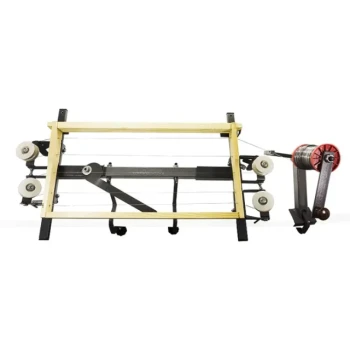
A frame-style transparent grid ruler acts as a standardization bridge between irregular biological patterns and hard data. Its function is to overlay a precise, preset 1 square centimeter grid onto a honeycomb, converting scattered areas of eggs, larvae, pupae, pollen, and honey into exact numerical values, thereby strictly eliminating the inaccuracies of visual estimation.
By imposing a standard geometric structure over the organic chaos of a hive, this tool transforms subjective observations into objective physical indicators. It allows for the scientific assessment of a colony’s reproductive rate and resource accumulation across different environments.
The Mechanics of Precision
Converting Irregularity to Data
Honeybees do not store resources or lay eggs in perfect geometric shapes. The grid ruler subdivides these irregularly distributed areas into countable units.
The Role of the Standard Grid
The primary reference highlights the use of a 1 square centimeter standard. By counting these specific units, technicians can derive a precise area measurement rather than a rough percentage guess.
Eliminating Subjective Bias
Visual estimation is prone to significant human error. This tool provides reliable physical indicators, ensuring that data regarding colony strength is consistent regardless of who performs the measurement.
Metrics of Colony Health
Assessing Reproductive Rates
The ruler is essential for quantifying the different stages of brood development. It allows for the specific measurement of areas containing eggs, larvae, and pupae.
Quantifying Resource Collection
Beyond brood, the tool measures the colony's nutritional reserves. It accurately quantifies the surface area dedicated to pollen and honey storage.
Evaluating Ecological Performance
By combining brood and storage data, researchers can scientifically assess a colony's capabilities. This is critical for comparing performance across different ecological zones or treatment groups.
Understanding the Variables
Unit Consistency is Key
While the primary method utilizes a 1 square centimeter grid, supplementary methods may use square inches or 5x5 cm blocks. It is vital to maintain unit consistency throughout a study to ensure data compatibility.
The Trade-off of Time
This method prioritizes high precision over speed. While visual estimation is faster, the grid ruler requires a methodical approach to counting, which allows for scientific rigor but requires more time per frame.
Making the Right Choice for Your Goal
To maximize the utility of the grid ruler, align your measurement strategy with your specific objective:
- If your primary focus is scientific research: Use the 1 square centimeter grid to ensure the highest granularity for measuring specific brood stages (eggs vs. larvae).
- If your primary focus is general colony management: A larger grid unit (such as square inches) may suffice for tracking general trends in honey and pollen storage.
- If your primary focus is comparative analysis: Ensure you standardize the grid size across all ecological zones to prevent data skewing during conversion.
Precision in measurement is the only path to clarity in management.
Summary Table:
| Feature | Description | Benefit |
|---|---|---|
| Grid Standard | 1 cm² preset units | Converts irregular biological shapes into countable data |
| Measurement Scope | Eggs, larvae, pupae, pollen, and honey | Comprehensive assessment of reproduction and reserves |
| Bias Reduction | Replaces visual estimation with physical units | Eliminates human error and ensures objective data |
| Primary Application | Scientific research & colony management | Enables accurate comparisons across different ecological zones |
Elevate Your Beekeeping Standards with HONESTBEE
Precision in measurement is the foundation of a successful commercial operation. At HONESTBEE, we empower commercial apiaries and distributors with high-quality beekeeping tools, machinery, and essential consumables designed for scientific rigor and efficiency.
Whether you need specialized hive-making machinery, honey-filling equipment, or precision measurement tools for your research, we provide the full spectrum of hardware and honey-themed cultural merchandise to help your business thrive. Our wholesale solutions are tailored to meet the demands of large-scale beekeeping professionals worldwide.
Ready to scale your production and improve hive accuracy? Contact us today to explore our comprehensive product catalog!
References
- Wubalem Alebachew, Amssalu Bezabh. EVALUATION OF PRODUCTIVE AND REPRODUCTIVE PERFORMANCE OF HONEYBEE COLONIES (Apis mellifera monticolla) IN SOUTH WOLLO, AMHARA, ETHIOPIA. DOI: 10.47278/journal.abr/2024.011
This article is also based on technical information from HonestBee Knowledge Base .
Related Products
- Assembled Wooden Bee Frames with Plastic Foundation for Durability and Convenience by HONESTBEE
- Ergonomic Plastic Frame Spacer Tool for Rapid Hive Management Beekeeping
- Wooden Bee Hive Frames for Beekeeping and Wholesale
- Professional Wooden Requeening Frame for Beekeeping
- JZBZ Langstroth Queen Rearing Frame for Beekeeping
People Also Ask
- When should frames with new foundation be given to colonies? Master Timing for a Thriving Hive
- What types of bee frames can be cleaned and returned to service? A Guide to Safe Apiary Refurbishment
- How do you re-wax bee frames? A Simple Guide to Faster Comb Building
- Can beekeepers switch between wooden and plastic frames? Optimize Your Hive's Performance
- What are bee frames and how are they sized? A Professional Guide to Standardization & Material Choice