A high-speed centrifuge acts as the primary physical separator in the extraction of soluble dietary fiber from rapeseed bee pollen. Its specific function is to isolate the liquid supernatant—which contains the dissolved target fiber—from insoluble solid waste immediately following the chemical extraction reaction.
Core Takeaway The high-speed centrifuge is the critical "gatekeeper" of purity in the extraction workflow. By forcing a separation between the fiber-rich liquid and solid debris like pollen walls and proteins, it ensures that only high-quality material proceeds to the ethanol precipitation stage.
The Role of Mechanical Separation
Segregating the Supernatant
The extraction process begins with a reaction that releases dietary fiber into a solution. The high-speed centrifuge is utilized immediately after this reaction to spin the mixture. This generates intense force that drives heavier materials to the bottom, leaving the clear liquid—the supernatant—at the top.
Removing Insoluble Impurities
The solid matter left behind consists of waste materials that must be discarded. Specifically, the centrifuge removes the hard bee pollen outer walls and protein precipitates that were broken down or insolubilized during the earlier enzymatic stages.
Preserving Soluble Yield
The soluble dietary fiber remains dissolved in the liquid phase. The centrifuge ensures that this valuable fiber is harvested efficiently without being trapped within the wet, solid sludge of the residues.
Impact on Process Purity
Preparing for Ethanol Precipitation
The centrifugation step is a mandatory precursor to ethanol precipitation. If solids were left in the mixture, the addition of ethanol would precipitate both the fiber and the impurities together, ruining the product.
Preventing Contamination
By executing this separation early, the system prevents insoluble impurities from carrying over into the final product. This guarantees that the final output is high-purity dietary fiber, distinct from the crude biological material it was extracted from.
Understanding the Process Context
The Importance of Sequence
Centrifugation must occur before the concentration step. As noted in standard workflows, a rotary evaporator is later used to reduce the volume of the solution to save ethanol. If centrifugation is skipped or performed poorly, the evaporator would concentrate the impurities along with the fiber, leading to a contaminated, sludge-like result.
Distinguishing Extraction Types
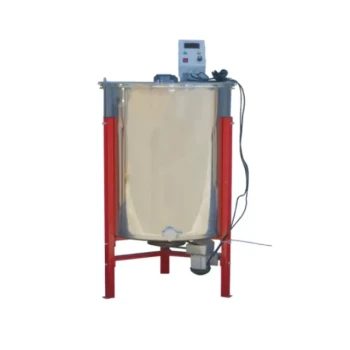
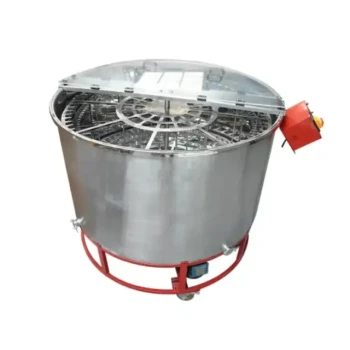
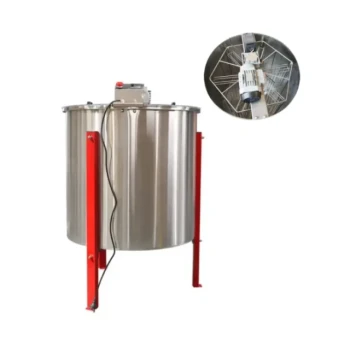
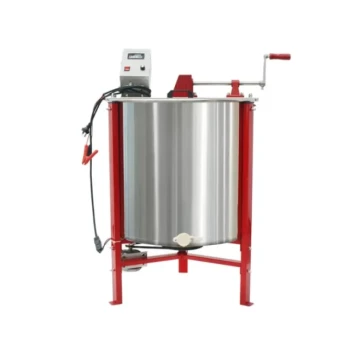
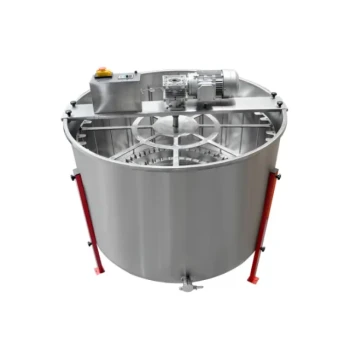
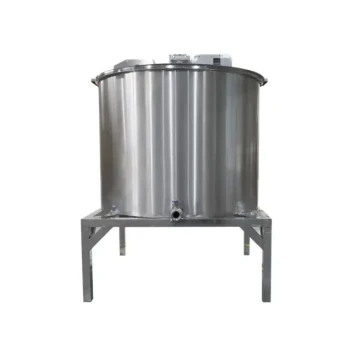
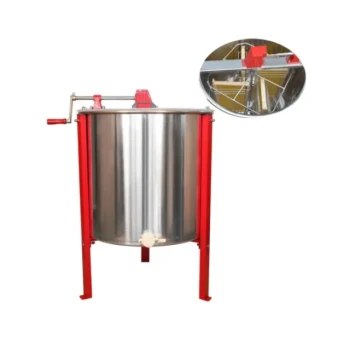
It is vital to distinguish this process from standard honey harvesting. While industrial centrifuges are also used to spin honey out of combs to preserve nutrients, the high-speed centrifuge in fiber extraction serves a totally different purpose: fractionating a chemical slurry to isolate a specific carbohydrate (fiber) from structural debris.
Making the Right Choice for Your Goal
To maximize the efficacy of your extraction process, consider how the centrifuge supports your specific objectives:
- If your primary focus is Product Purity: Ensure the centrifugation cycle is sufficient to pelletize all pollen walls and protein precipitates, preventing them from entering the ethanol phase.
- If your primary focus is Process Efficiency: Verify that the supernatant is fully clarified before moving to the rotary evaporator to prevent fouling and maximize the recovery rate of the fiber.
High-speed centrifugation is not just a separation step; it is the defining moment that transforms a raw biological mixture into a refined chemical product.
Summary Table:
| Stage | Component | Role of High-Speed Centrifuge |
|---|---|---|
| Post-Reaction | Mixture Slurry | Separates fiber-rich supernatant from solid waste residues. |
| Impurity Removal | Pollen Walls & Proteins | Pellets heavy solids to prevent contamination of the final yield. |
| Pre-Precipitation | Clarified Liquid | Ensures only pure soluble fiber enters the ethanol precipitation phase. |
| Efficiency | Process Flow | Prevents fouling in subsequent rotary evaporation and concentration steps. |
Elevate Your Commercial Bee Product Processing with HONESTBEE
At HONESTBEE, we specialize in empowering commercial apiaries and distributors with the professional-grade tools and machinery required for advanced bee product refinement. Whether you are extracting high-purity dietary fiber from rapeseed pollen or scaling up your honey production, our comprehensive portfolio is designed to meet your industrial needs.
Our value to your business includes:
- Industrial Machinery: High-efficiency centrifuges, hive-making equipment, and precision honey-filling machines.
- Wholesale Tools: A full spectrum of beekeeping hardware and essential industry consumables.
- Cultural Merchandise: Unique honey-themed merchandise to diversify your retail offerings.
Ready to optimize your extraction yield and product quality? Contact HONESTBEE today to explore our wholesale solutions and technical support.
References
- Hui Zheng, Yong Yang. Effects of Four Extraction Methods on Structure and In Vitro Fermentation Characteristics of Soluble Dietary Fiber from Rape Bee Pollen. DOI: 10.3390/molecules28124800
This article is also based on technical information from HonestBee Knowledge Base .
Related Products
- Manual Hand Crank 4 Frame Honey Extractor Centrifuge for Beekeeping
- Professional 4 Frame Self Reversing Electric Honey Extractor for Beekeeping
- electric honey extractor honey centrifuge 3 frame honey extractor stainless steel honey frame extractor
- Heavy-Duty Ergonomic Grip Galvanized Pollen Shovel
- Stainless Steel 3 Frame Manual Honey Extractor Spinner for Bee Honey Extraction
People Also Ask
- What are some tips for achieving efficient honey extraction with a centrifuge extractor? Maximize Your Yield & Efficiency
- What is the proper procedure for maintaining a centrifuge honey extractor? Expert Tips for Longevity and Hygiene
- What are the advantages of using a centrifuge honey extractor? Maximize Yields and Protect Your Honeycombs
- Which type of honey extractor is generally more durable? Focus on Material & Build Quality for Longevity
- What is a manual honey extractor? The Essential Guide to Cost-Effective Beekeeping for Beginners